Extremely cold-hardy flowers: it's fine to keep them in the yard over winter
If you want to plant them directly in the yard, you need to think about whether they can adapt to the outdoor environment and whether they will freeze to death when it gets cold in winter. The flowers below are all extremely cold-hardy and can grow well even when winter temperatures drop below zero. Some may wither in winter, but they will resume growth once spring warms up.
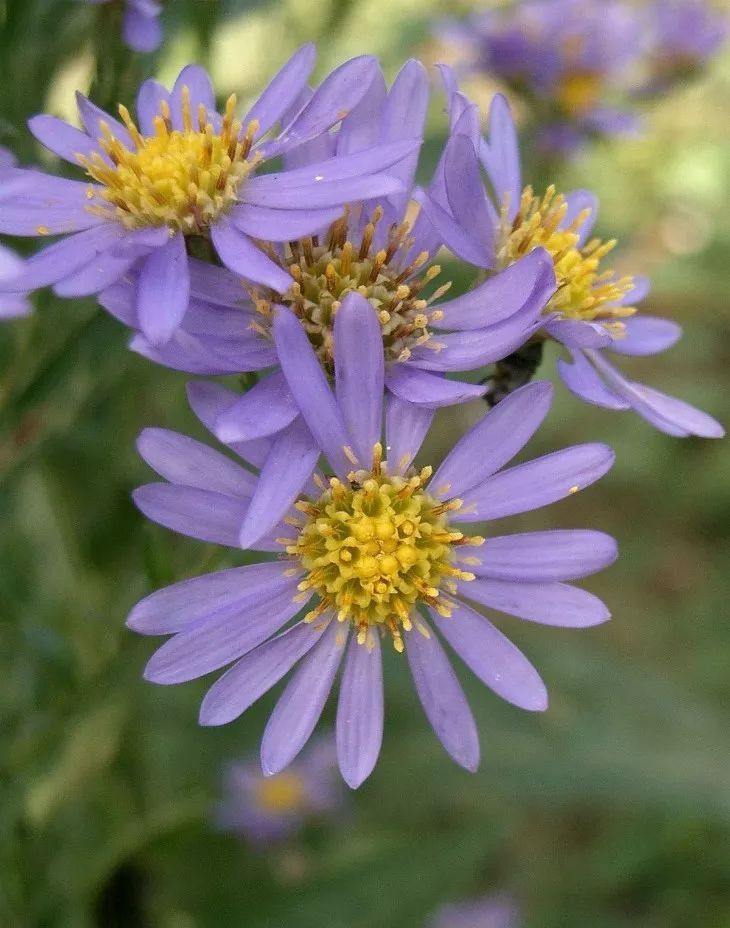
1. Aster
Aster is a very vigorous herbaceous plant that can bloom in spots with full sun or plenty of scattered light. The flowers are usually purple or pink. After blooming, it is best to cut off the spent flowers promptly.
2. False indigo
False indigo is an extremely cold-hardy flower that can be grown for decades. It can tolerate temperatures below zero. The most common flower colors are blue, purple, white and yellow. It grows very slowly, and it takes a relatively long time to develop a sturdy root system.
3. Catnip
Catnip is a fairly cold-hardy perennial herb with a charming fresh fragrance. Its leaves can stay green year-round and look a bit like lavender. Catnip can also withstand cold winters. It is suitable for growing in the yard, and in spring and summer it produces charming clusters of flowers.
4. Peony
Peonies come in different forms and colors, with a very rich range of varieties. Most are not afraid of cold winters. They go dormant in winter and only resume growth after spring warms up. Peonies are very showy, producing charming flowers with a captivating fragrance in late spring and early summer.
5. Coneflower
Coneflower has very strong environmental adaptability. It grows well in loose, well-drained soil and can produce charming purple, white, orange and yellow flowers. It is no problem even in severe winter cold.
6. Bee balm
Bee balm, also called wild bergamot, has relatively tall plants and is especially easy to propagate. You should plant it in a flowerpot. It grows well in spots with plenty of sunlight. The flower colors include the common purple, pink, red and orange. Its flowers look very bright and are very attractive to bees, with excellent ornamental value.
7. Siberian iris
Siberian iris is a relatively cold-hardy iris variety that grows well at temperatures below zero. It can grow to more than one meter tall, with common varieties in purple, blue and yellow. During cultivation, keep the soil moist and avoid excessive drought.
8. Ornamental kale
Ornamental kale is an ornamental plant bred from a vegetable. Its plants are relatively low-growing. You can grow it in full sun or partial shade. The growing soil must have good drainage. It can tolerate cold winters and comes in many mixed-color varieties.
9. Photinia
Photinia has a very long flowering period, with delicate small flowers and especially good ornamental value. It can adapt to very cold winters, but on the contrary cannot grow where summer temperatures are too high. It comes in very many flower colors, such as the common purple, pink and white. Its flowers are very delicate and charming, and it likes to grow in neutral or acidic soil.