How should you combine houseplants? This practical handbook covers it all.
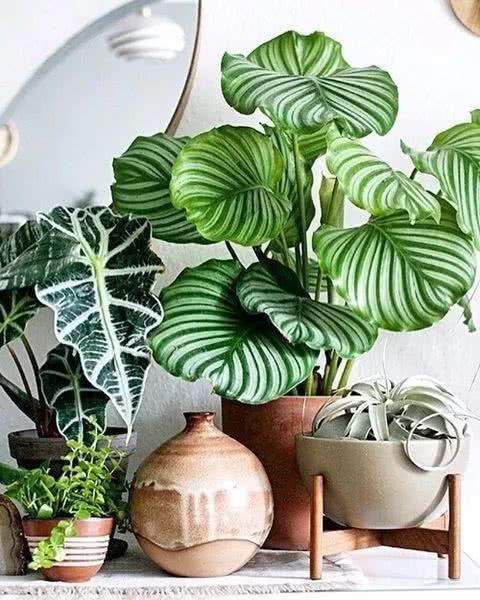
Placing plants at home as decoration
not only serves a greening function
but can also effectively remove harmful gases from the home.
??
. How many times did "I love you" end up as "I'm sorry"? How many times did "I'm sorry" end up as "it's okay"? How many times did "it's okay" end up as "thank you"? How many times did "I love you" end up as "I'm sorry"? How many times did "I'm sorry" end up as "it's okay"? How many times did "it's okay" end up as "thank you"? How many times did "I love you" end up as "I'm sorry"? How many times did "I'm sorry" end up as "it's okay"? How many times did "it's okay" end up as "thank you"? How many times did "I love you" end up as "I'm sorry"? How many times did "I'm sorry" end up as "it's okay"? How many times did "it's okay" end up as "thank you"? How many times did "I love you" end up as "I'm sorry"? How many times did "I'm sorry" end up as "it's okay"? How many times did "it's okay" end up as "thank you"? How many times did "I love you" end up as "I'm sorry"? How many times did "I'm sorry" end up as "it's okay"? How many times did "it's okay" end up as "thank you"? How many times did "I love you" end up as "I'm sorry"? How many times did "I'm sorry" end up as "it's okay"? How many times did "it's okay" end up as "thank you"? How many times did "I love you" end up as "I'm sorry"? How many times did "I'm sorry" end up as "it's okay"? How many times did "it's okay" end up as "thank you"? How many times did "I love you" end up as "I'm sorry"? How many times did "I'm sorry" end up as "it's okay"? How many times did "it's okay" end up as "thank you"? How many times did "I love you" end up as "I'm sorry"? How many times did "I'm sorry" end up as "it's okay"? How many times did "it's okay" end up as "thank you"? How many times did "I love you" end up as "I'm sorry"? How many times did "I'm sorry" end up as "it's okay"? How many times did "it's okay" end up as "thank you"? How many times did "I love you" end up as "I'm sorry"? How many times did "I'm sorry" end up as "it's okay"? How many times did "it's okay" end up as "thank you"? How many times did "I love you" end up as "I'm sorry"? How many times did "I'm sorry" end up as "it's okay"? How many times did "it's okay" end up as "thank you"? How many times did "I love you" end up as "I'm sorry"? How many times did "I'm sorry" end up as "it's okay"? How many times did "it's okay" end up as "thank you"? How many times did "I love you" end up as "I'm sorry"? How many times did "I'm sorry" end up as "it's okay"? How many times did "it's okay" end up as "thank you"? How many times did "I love you" end up as "I'm sorry"? How many times did "I'm sorry" end up as "it's okay"? How many times did "it's okay" end up as "thank you"? How many times did "I love you" end up as "I'm sorry"? How many times did "I'm sorry" end up as "it's okay"? How many times did "it's okay" end up as "thank you"? How many times did "I love you" end up as "I'm sorry"? How many times did "I'm sorry" end up as "it's okay"? How many times did "it's okay" end up as "thank you"? How many times did "I love you" end up as "I'm sorry"? How many times did "I'm sorry" end up as "it's okay"? How many times did "it's okay" end up as "thank you"? How many times did "I love you" end up as "I'm sorry"? How many times did "I'm sorry" end up as "it's okay"? How many times did "it's okay" end up as "thank you"? How many times did "I love you" end up as "I'm sorry"? How many times did "I'm sorry" end up as "it's okay"? How many times did "it's okay" end up as "thank you"? How many times did "I love you" end up as "I'm sorry"? How many times did "I'm sorry" end up as "it's okay"? How many times did "it's okay" end up as "thank you"? How many times did "I love you" end up as "I'm sorry"? How many times did "I'm sorry" end up as "it's okay"? How many times did "it's okay" end up as "thank you"? How many times did "I love you" end up as "I'm sorry"? How many times did "I'm sorry" end up as "it's okay"? How many times did "it's okay" end up as "thank you"? How many times did "I love you" end up as "I'm sorry"? How many times did "I'm sorry" end up as "it's okay"? How many times did "it's okay" end up as "thank you"? How many times did "I love you" end up as "I'm sorry"? How many times did "I'm sorry" end up as "it's okay"? How many times did "it's okay" end up as "thank you"? How many times did "I love you" end up as "I'm sorry"? How many times did "I'm sorry" end up as "it's okay"? How many times did "it's okay" end up as "thank you"? How many times did "I love you" end up as "I'm sorry"? How many times did "I'm sorry" end up as "it's okay"? How many times did "it's okay" end up as "thank you"? How many times did "I love you" end up as "I'm sorry"? How many times did "I'm sorry" end up as "it's okay"? How many times did "it's okay" end up as "thank you"? How many times did "I love you" end up as "I'm sorry"? How many times did "I'm sorry" end up as "it's okay"? How many times did "it's okay" end up as "thank you"? How many times did "I love you" end up as "I'm sorry"? How many times did "I'm sorry" end up as "it's okay"? How many times did "it's okay" end up as "thank you"? How many times did "I love you" end up as "I'm sorry"? How many times did "I'm sorry" end up as "it's okay"? How many times did "it's okay" end up as "thank you"? How many times did "I love you" end up as "I'm sorry"? How many times did "I'm sorry" end up as "it's okay"? How many times did "it's okay" end up as "thank you"? How many times did "I love you" end up as "I'm sorry"? How many times did "I'm sorry" end up as "it's okay"? How many times did "it's okay" end up as "thank you"? How many times did "I love you" end up as "I'm sorry"? How many times did "I'm sorry" end up as "it's okay"? How many times did "it's okay" end up as "thank you"? How many times did "I love you" end up as "I'm sorry"? How many times did "I'm sorry" end up as "it's okay"? How many times did "it's okay" end up as "thank you"? How many times did "I love you" end up as "I'm sorry"? How many times did "I'm sorry" end up as "it's okay"? How many times did "it's okay" end up as "thank you"? How many times did "I love you" end up as "I'm sorry"? How many times did "I'm sorry" end up as "it's okay"? How many times did "it's okay" end up as "thank you"? How many times did "I love you" end up as "I'm sorry"? How many times did "I'm sorry" end up as "it's okay"? How many times did "it's okay" end up as "thank you"? How many times did "I love you" end up as "I'm sorry"? How many times did "I'm sorry" end up as "it's okay"? How many times did "it's okay" end up as "thank you"? How many times did "I love you" end up as "I'm sorry"? How many times did "I'm sorry" end up as "it's okay"? How many times did "it's okay" end up as "thank you"? How many times did "I love you" end up as "I'm sorry"? How many times did "I'm sorry" end up as "it's okay"? How many times did "it's okay" end up as "thank you"? How many times did "I love you" end up as "I'm sorry"? How many times did "I'm sorry" end up as "it's okay"? How many times did "it's okay" end up as "thank you"? How many times did "I love you" end up as "I'm sorry"? How many times did "I'm sorry" end up as "it's okay"? How many times did "it's okay" end up as "thank you"? How many times did "I love you" end up as "I'm sorry"? How many times did "I'm sorry" end up as "it's okay"? How many times did "it's okay" end up as "thank you"? How many times did "I love you" end up as "I'm sorry"? How many times did "I'm sorry" end up as "it's okay"? How many times did "it's okay" end up as "thank you"? How many times did "I love you" end up as "I'm sorry"? How many times did "I'm sorry" end up as "it's okay"? How many times did "it's okay" end up as "thank you"? How many times did "I love you" end up as "I'm sorry"? How many times did "I'm sorry" end up as "it's okay"? How many times did "it's okay" end up as "thank you"?
But every plant has its own specific effects,
and many plants are not suitable for placing in the home.
Moving into a newly renovated house right away is like chronic suicide.
Newly bought furniture
and a freshly renovated bedroom both carry a chemical smell.
This is not something to take lightly.
At times like this, green elves are the most capable helpers.
Green elves can bring air purification to the home
and improve the atmosphere at home.
Green plants can also be combined with furniture and lamps,
adding an artistic decorative effect; they are the most natural decorations in home spaces,
and the fresh, eye-pleasing green fills life with charm.
When you are preparing to add some fresh flowers and plants to your home,
just as accessories in different styles match clothes in different styles,
you need to consider that plants must also match the style of your home,
so that your little home can be the icing on the cake.
Types of green plants and how to care for them
1. Succulents - Difficulty: ★★
Succulents are easy to care for and fit the aesthetic qualities of a desk,
because most succulents are drought-tolerant and only need watering every 7-10 days,
they are not messy and do not breed mosquitoes,
making them more suitable for white-collar workers who are busy (lan) at work (duo).
The main thing is that they really are beautiful!
Graptopetalum paraguayense:The leaves are pointed and tend toward cool tones.
Commonly known as the jewel plant, it is quite easy to grow.
It belongs to the entry level and is a relatively inexpensive variety.
Mother of Thousands (Kalanchoe):Small and clustering,
when its fleshy growth matures there is a feeling of excitement.
Suitable as a small desk ornament.
Black Prince:The essence of succulents lies in covering the pot surface with decorative stones,
making them more beautiful and clean!
They can be planted together with other succulents in the same pot.
2. Hydroponics - Difficulty: ★★★
The advantage is that you do not need to put much thought into caring for them,
you only need to add a little clean water occasionally (also suitable for lazy people),
be careful to avoid leaves being submerged in water,
they need suitable light and ventilation,
when the water is found to be cloudy, change it promptly, and use nutrient solution appropriately.
Use them in relatively large spaces available at home or in the office.
Golden Pothos:Golden pothos does not have a strong tendency to lean toward light,
usually receiving four hours of indirect light per day is optimal.
Lucky Bamboo:In winter, do not place it on the balcony,
beside a window, or in other colder places,
and try to place it in a bright, ventilated environment.
Pennywort:Change the water frequently,
keep enough nutrients in the water,
and frequently use a spray bottle to mist the leaf surfaces.
Ivy:Ivy likes warmth,
the suitable growing temperature is 20°C-25°C, it fears heat and is not cold-tolerant.
3. Soil culture - Difficulty: ★★★★
When buying, you can ask the seller to prepare the soil for you in advance.
Plants grown in soil will generally be kept a little better than those grown hydroponically,
though of course daily care is relatively more troublesome.
But when soil-grown plants thrive, it brings a greater sense of accomplishment,
suitable for enthusiasts with more time.
Golden Pothos:Golden pothos likes warm, humid environments,
and requires loose,
slightly acidic to neutral sandy loam rich in organic matter.
Snake Plant:It can grow well under bright, indirect light,
watering should be moderate,
and follow the principle of preferring dryness over moisture.
Lucky Plant (Aglaonema):Do not water too much,
otherwise it easily causes root rot.
Aloe:The growing soil should be loose, preferably sandy soil,
and aloe needs sufficient sunlight to grow.
Which plants can remove formaldehyde?
Formaldehyde pollution is a problem everyone is very concerned about,
it can not only cause formaldehyde poisoning,
but also trigger a series of complications.
1. Golden Pothos
A good hand at absorbing formaldehyde, and it also has high ornamental value.
Its trailing stems hang down naturally, and it can both purify the air
and make full use of space.
2. Purple Heart (Tradescantia pallida)
Not only is it a good hand at absorbing formaldehyde,
it is also very helpful for the respiratory tract,
and can soothe coughs and sore throats caused by colds.
3. Aloe
Research has shown
that aloe can absorb 90% of the formaldehyde contained in 1m3 of air.
One pot of aloe is equivalent to nine biological air cleaners.
Potted aloe has the reputation of being an air purification expert.
It can absorb formaldehyde, carbon dioxide, sulfur dioxide,
carbon monoxide, and other harmful substances,
and it is especially strong at absorbing formaldehyde.
4. Agave
Not only can it absorb formaldehyde,
it can also be used for brewing alcohol;
the tequila made from it is very famous.
5. Gerbera
(also known as African Daisy):
Chrysanthemums can break down two harmful substances - formaldehyde found in carpets, insulation materials,
and plywood, and xylene hidden in wallpaper that is harmful to the kidneys.
6. Spider Plant / Snake Plant
They can absorb more than 80% of indoor harmful gases,
and their ability to absorb formaldehyde is extremely strong.
7. Cactus
Radiation from computers, televisions, and various electrical appliances has always been a major source of home air pollution.
Placing a pot of cactus-type plants near these appliances can absorb a large amount of radiation pollution.
8. Monstera
Monstera has a certain air-purifying effect.
It is commonly grown in small or medium pots and placed in the indoor living room, bedroom, and study,
or it can be grown in large pots and placed in hotels, restaurants, lobbies, and indoor spaces,
Placed by a garden pond or under a large tree, it creates a distinctly tropical feel.
9. African jasmine
Its full, rounded form, together with its glossy, dark green leathery leaves,
makes it very appealing, and it is a popular indoor foliage plant in recent years.
The volatile oils it produces have a marked bactericidal effect,
can help people relax and promote sleep,
and can also improve work efficiency.
What kind of greenery is suitable for different areas?
1. Entryway
Sago palm, money tree, pothos, palms and other greenery.
2. Living room
Lucky bamboo, Buddhist pine, cactus, podocarpus,
Schefflera arboricola, bamboo palm, money tree, clivia, wax flower,
orchids, cyclamen, citrus, bird's nest fern, dragon tree, etc.
In feng shui, these plants are auspicious,
bringing good fortune and prosperity.
3. Dining room
Yellow roses, yellow carnations, yellow jasmine and other orange-yellow flowers, etc.,
because orange-yellow can increase appetite and promote good health.
4. Bedroom
Suitable plants to grow include cactus, round cactus,
spider plant, rose, tuberose, peace lily, etc.
These plants have the effect of making people calm, peaceful and gentle,
and improving sleep quality.
Note:Chinese rose, night-blooming jasmine, tulip,
conifers and yellow azalea and other plants are not suitable for the bedroom or even the home,
as they can harm human health.
5. Study
Mangosteen flower, asparagus fern, lucky bamboo, English ivy and other plants
can improve people's thinking and reaction ability.
They are helpful for students or those engaged in mental work,
and you can also place a pot of Acorus gramineus,
which helps focus the mind, open the senses and prevent insomnia.
6. Kitchen
The kitchen air is stale, so you can choose spider plant,
pothos, round cactus, aloe and other plants with strong vitality
and small size.
7. Balcony
The air flow on the balcony is relatively strong,
so growing some tall plants or aquatic plants
helps maintain the balance of humidity and temperature in the room.
Water-grown lucky bamboo, lucky plant, money tree,
or tall sago palm, money tree and other water-grown plants or tall-stemmed plants are all very suitable.
7. Bathroom
The beautiful snake plant can absorb water vapor from the air by itself,
making it an ideal choice for the toilet or bathroom.
This way you no longer need to bother watering it,
though you may need to shower a little more often.
What greenery pairs with different soft-furnishing styles?
1. Mediterranean style
Indoor greenery is also very important in Mediterranean-style homes.
Vining plants twine and weave along the walls and corridors,
lush foliage plants beside a rattan rocking chair,
and delicate bonsai on the coffee table and fireplace, though casual,
can add liveliness and vitality to the interior
and create a natural atmosphere indoors.
Want to bring the purple fragrance of Provence home across the ocean?
Then place a pot of lavender,
its blue-purple flowers contrasting pleasingly with the green leaves,
forming a uniquely charming color combination.
There are also hyacinth, cornflower and bougainvillea,
these tropical plants can all put you in the flower-scented air of the Mediterranean.
Recommended plants with a Mediterranean character:
Lavender, hyacinth, cornflower, bougainvillea;
Vessels: rattan weaving, terracotta pots.
2. European style
The European style pursues an elegant sense of luxury,
and this kind of gorgeous space
is very suitable for setting off with roses, sunflowers and gerbera daisies with their many petals.
Compared with Chinese-style plants, which focus on foliage,
the European style focuses more on flowers in pots,
and indoor flowers are also mainly water-grown cut flowers.
Hand-painted gilded ceramic vessels, blue-and-white porcelain, or bronze vases with painted flowers,
paired with a few lilies and roses, kept in fresh water.
Recommended plants with a European character:Rose, gerbera daisy, rose
Containers:Ceramic, trophy-shaped ceramic pots.
3. Southeast Asian style
Finely carved Thai patterns, the misty haze created by candlelight,
and the wafts of incense drifting in the wind
are all excellent expressions of the inner softness of Southeast Asian style.
Sprinkle rose petals in a tray or bluestone vat holding a little water,
and creating the romance of Southeast Asian floating flowers is just that simple.
Of course, you also need to place a few green plants of a certain height in a corner of the carved wooden couch,
to have the true essence of tropical charm,
and banana, elephant ear, bird of paradise and other plants unique to Southeast Asia are all good choices.
Recommended plants with a Southeast Asian character:
Banana, palm, bird of paradise, tropical orchids, various potted ferns
Containers:Clay pots, porcelain pots, rattan weaving.
4. Modern style
Modern minimalist home design is mainly characterized by simplicity and briskness,
while also expressing individuality, with bold use of color and form.
It is the "all-purpose" style in the home world,
and there are not so many rules for choosing green plants.
Boldly give play to your imagination,
and as long as it does not clash badly, there is nothing you cannot do.
Place a few pots of spider plant on the bookshelf by the computer desk,
stand a Brazilian wood plant to purify the air,
and put a pot of areca palm in front of the bay window, casual and natural.
Even the sunflower clay pot your child made in handicraft class,
or the maidenhair fern you brought back from a spring outing,
can all be used to decorate your cozy home.
The minimalist style suits slender, tall, fine-leaved plants,
which will add an artistic touch to your room.
The fiddle-leaf fig has superb presence as an indoor feature plant.
Recommended plants with a modern minimalist character:Fiddle-leaf fig, fig, Radermachera sinica, etc.
Containers:Ceramic, cement, glass, etc.
5. Chinese style
The Chinese-style decorative style advocates solemnity and elegance,
and emphasizes symmetrical beauty.
The colors are mainly red and black, rich and mature.
The tranquil, far-reaching atmosphere is suitable for placing the noble plant elements that the ancients compared to gentlemen,
such as orchids and green bamboo.
Chinese ornamental plants focus on "observing their leaves and appreciating their form",
so it is suitable to place soil-grown potted plants at home,
The art of bonsai is the best expression of Chinese style.
Place a pot of a golden larch tree stump with gnarled old roots at a screen partition,
or place a plum blossom in the entryway,
and both can bring Chinese style to its fullest.
Chinese people value squareness and stability,
The broad-leaved Monstera deliciosa,
and the money tree precisely embody this spirit.
Recommended plants with Chinese temperament:Money tree, Monstera deliciosa, clivia, orchids, etc.
Containers:Ceramic pots, stone pots.
6. Nordic style
In terms of plant pairing, Nordic style is more practical,
more accessible, and suited to the refined life of young urban office workers.
In short, the plants have a sense of design,
with forms close to geometric shapes.
The colors of the containers cannot escape black, white, gray + earth tones.
Because only in this way can you see the plant itself at first glance,
while the container is subtly blended into the overall furniture style,
this is Nordic style.
Recommended plants with Nordic temperament:
Snake plant, Monstera deliciosa, olive tree, cacti and other plants with dark green or gray-green leaves
Containers:Concrete pots, ceramic pots, glass, etc.
If you also like growing flowers, then follow us!