A complete guide to treating common pests and diseases in flower gardening: once you master it, you will no longer worry when your plants get sick
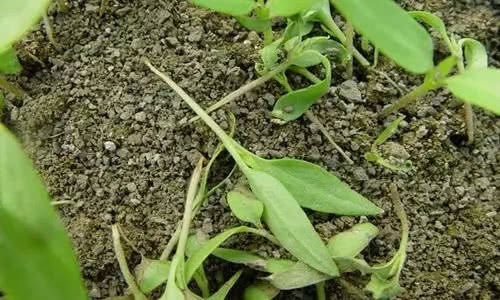
Damping-off
Symptoms: after sowing plant seedlings, the base of the tender stem develops water-soaked rot until the plant topples over. On close inspection, the upper part of the plant still keeps its original color.
Causes: the soil is too wet, and the plant often gets no sunlight. When sowing, the seeds are sown too densely and too much nitrogen fertilizer is given.
Methods: 1. First remove the remaining healthy seedlings, wash the roots with water, then soak the roots in carbendazim. When potting them up, maintain appropriate soil moisture, light and temperature.
2. Dilute chlorothalonil 800 times and use it to disinfect the plants and soil.
Rot disease
Symptoms: the seeds and sprouts die before they emerge from the soil surface. This is mainly because the soil is too wet and the temperature is low.
Methods: Dilute carbendazim 800 times and apply it to the soil to disinfect it.
Powdery mildew
Symptoms: in the early stage, small white spots appear on the young leaves and tender branches of the plant, and as time goes on the white spots become denser and denser. At this point, if you observe the affected area, white mycelium will appear.
Causes: too much humidity and relatively high temperature.
Methods: Pay attention to the fertilizer ratio and do not make it too high. Increase ventilation. For the affected area, dilute thiophanate-methyl 1000 times and spray it on the plant.
Anthracnose
Symptoms: after being infected with anthracnose, the plant's leaves, flowers and bulbs develop round or oval pale yellow spots, but dark brown lesions appear around them. Touching them with your hand, you will feel a slimy liquid.
Methods: Dilute thiophanate-methyl 800 times, or use the more commonly used carbendazim, and spray it on the affected areas of the plant. At the same time, increase ventilation, and promptly cut off branches and leaves that are already beyond saving.
Leaf spot disease
Symptoms: leaves with leaf spot disease show oval or round spots, and the colors are usually gray, brown, black, etc.
Methods: This disease is mainly prevented. The prevention method is to frequently spray the plant's leaves with carbendazim.