Feed orchids a small pill, and in 2 weeks they'll burst into bloom, filling the whole house with fragrance
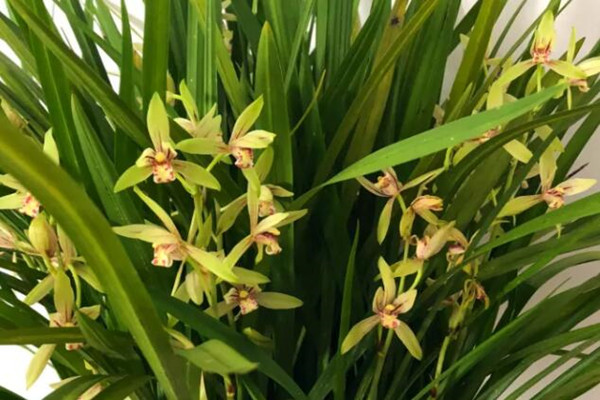
To grow orchids, first grow the roots; two pills help you do it
Don't be fooled by the small tuft of leaves on top of an orchid, thin and weak as it looks. What matters most is the root system below. It's fair to say that as long as you grow the roots strong, you won't have to worry about your orchid growing poorly!
1. Feed a vitamin B pill to boost root resistance
Orchid roots are rather fragile and rot at the slightest provocation, making them hard to keep alive well. Gardeners can keep some vitamin B on hand. People can take it, and flowers can too. Crush one pill and mix it into the watering water, and do this once every 2 months.
2. Add an aspirin pill and orchid roots grow fast
Orchids actually grow very slowly. If you want to speed up growth, you can give them an aspirin tablet. This tablet is rather hard to dissolve, so after crushing it, add a little alcohol and mix well. Wait for the alcohol to evaporate a bit, then dilute with water. Watering the orchid with it can speed up root growth.
Use this one thing for orchids, and a small tuft becomes a big bundle
Orchids are always sparse and stand alone, looking lonely. Autumn is exactly the time when orchids sprout buds and send up shoots. Just loosen the soil and a whole cluster can grow!
1. Add tree bark and peanut shells
For orchid soil, wrapping in some tree bark, rotten leaves, peanut shells and melon seed shells makes it more suitable for orchids than bought nutrient soil. However, be sure to disinfect it. Besides sun exposure, it's best to steam it in a pot first, or spray some insecticidal and disinfecting solution before use.
2. Spread it on the pot surface and small buds can't be stopped
Besides keeping the soil loose, it's best to spread some clay pebbles and tree bark on the pot surface too, so there's no resistance when buds emerge, and flower buds come out much faster.
If it only grows leaves and won't bloom, quickly change your care method
They say growing orchids is about cultivating temperament, and slowly everyone turns into a zen-style gardener, letting blooming depend on fate, and accidentally it turns into grass... The editor thinks we should stop being so stubborn and quickly change our care method, to enjoy the orchids and smell the flowers~
1. Autumn sunbathing, flower buds poke out
Although orchids are shade-tolerant, they can't bloom without sunlight. It's best to place them in a spot at home with half-shade and scattered light. The sunlight from 8-10 in the morning is best. Give them a sunning, and small flower buds will soon poke out.
2. Watering is key, you must get it just right
Watering orchids takes ten years of skill. Too much water easily causes root rot, but autumn is dry, so how can you bear to let an orchid dry out? Don't worry. If it's a clay pot, evaporation is fast, so water about every 2-3 days; plastic pots evaporate slowly, so you can water every 3-5 days.
If you ignore these leaves in autumn, the orchid gets worse the more you grow it
Orchids are elegant in posture. When you buy them, they're a fine orchid, but as you grow them, they turn ugly, and they don't bloom on time. Actually, orchids are very attuned to people. If you don't help tidy them up, they have no choice but to give up on themselves~
1. Dry tips and withered yellow leaves should be cut off quickly
Orchid leaves easily get dry tips and turn yellow, and watering and light are both causes, unless you take especially careful care of them. Leaf problems are irreversible, and yellow leaves and dead leaves should be cut off quickly, otherwise they easily spread to other leaves.
2. Pests and diseases, if you ignore them any longer it's too late
Autumn temperatures are suitable, and all kinds of orchid pests and diseases come out. First, the placement location must be well ventilated. If you find spots and speckles, first check whether there are insects, clean off the small insects with a toothbrush, then spray insecticide. Diseased leaves must also be removed in time.