Plant it in a pot in autumn, and its leaves will be glossy green and it will burst into bloom, with no root rot for 10 years.
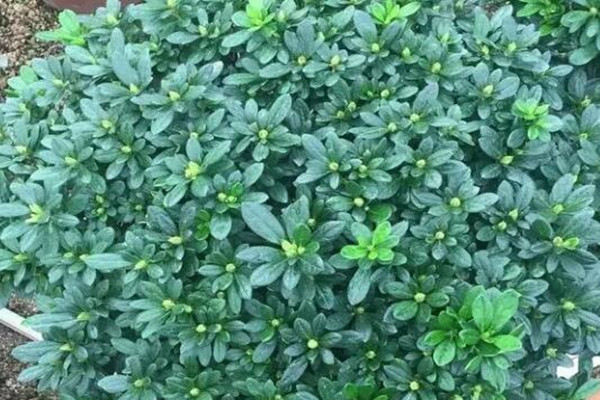
Line the bottom of the pot with a dish sponge, and your flowers will not rot for 10 years!
Usually, gardening friends may keep a lot of dish sponges at home. If you have dishcloths that have been used for a long time, do not throw them away. Use them to line the bottom of the pot, and your flowers are guaranteed not to rot for 10 years!
1. Wash the grease out of the dish sponge with dish soap, let it dry, then place it over the drainage hole at the bottom of the flower pot. If you have more dish sponges, you can even line the entire bottom of the pot with a layer!
2. Pour soil into the flower pot lined with the dish sponge, plant the flowers, water thoroughly, and you are done. After that, no matter how you water, you will not have to worry about root rot!
3. Because the dish sponge has extremely strong water-absorbing and water-storing ability, once there is standing water in the potting soil, it quickly absorbs it clean, so there will be no root rot; and if there is a lack of water, the roots can absorb water from the sponge and will not quickly dry out and die. It kills two birds with one stone!
Line the bottom of the pot with willow branches, and the roots will be white and thick, far from black rot!
It is autumn, and some willow branches in the park have begun to fall. At this time, everyone should quickly pick them up and take them home to line the bottom of the pot. Because willow branches contain salicylic acid, which not only makes the roots grow fast and strong, but also prevents root rot!
1. Use an axe to chop the fallen willow branches into several small sections, not too long.
2. Spread the chopped willow branch sections evenly in a layer on the bottom of the pot, then pour in soil and plant the flowers, and you are done!
3. The willow branches lining the bottom of the pot not only play a role in aeration and drainage, but also release salicylic acid to nourish the roots, making them white and thick!
Line the bottom of the pot with a loofah sponge, and radish-like roots will grow in the pot!
Friends who grow loofahs at home and cannot eat them all should not throw away the old loofahs. Dry them in the sun into loofah sponges and use them to line the bottom of the pot for growing flowers, and those big thick roots will be just like radishes!
1. The loofah sponge can only be used after it is dried in the sun. Before use, take out the seeds to avoid them sprouting in the pot, then use scissors to cut it into small pieces about the length of a finger, and set aside.
2. Throw the cut loofah sponge directly into the bottom of the pot, especially covering the drainage hole. In this way, when watering, it can both prevent soil loss and achieve drainage and aeration, letting the roots breathe freely and grow wildly!
Line the bottom of the pot with a few pine cones, and in 3 years they will burst 2 pots!
In autumn and winter, a layer of pine cones falls under pine trees. These pine cones are really great material for lining the bottom of pots, especially suitable for flowers that are prone to root rot, such as kalanchoe, crab claw orchid, and clivia!
1. When going up a mountain or playing in the suburbs on vacation, you can pick up some pine cones, take them home, put them in the sun for a few days, or scald them with boiling water. After disinfecting, they are ready to use.
2. Small pine cones can be spread whole directly on the bottom of the flower pot to serve as a drainage layer, filtering out excess water in the soil and preventing flower root rot.
4. After some time, you will find that the flowers lined with pine cones have roots shooting up vigorously, and leaves that are emerald green and thick. They could not be more thriving!
5. If you cannot use up the pine cones for a while, you can also crush them, sprinkle some water, put them in a plastic bag to compost, and when they turn black they are done composting. Take them out and mix them with other nutrient soil to grow flowers. It is simply superb!
Line the bottom of the pot with a few wet wipes (non-woven fabric), and there will be no root rot for 10 years!
Do not throw away the wet wipes you use normally, or the non-woven fabric in shoe boxes you buy. Using them to line the bottom of the pot is super useful. Not only does it not leak soil, it also makes flowers grow especially sturdy!
1. Whether it is wet wipes or non-woven fabric, it is best to wash and soak them in clean water to remove the impurities inside.
2. After washing clean, spread them out on the balcony and dry them in the sun.
3. Fold the dried wet wipes or non-woven fabric a few times, or crumple them into balls, throw them into the bottom of the pot, and you can plant flowers!
4. Wet wipes and non-woven fabric are both breathable and water-absorbing, which is good for the growth of flower roots, prevents root rot, and can also prevent the drainage hole from leaking soil.
Line the bottom of the pot with a few pieces of charcoal, and the flowers will not rot and will shoot up vigorously!
Charcoal is not only good for barbecuing and absorbing formaldehyde, it is also excellent for lining the bottom of pots. It can absorb water and sterilize, keep roots from rotting, and also supplement potassium fertilizer for the flowers, making them grow super fast!
1. Take out part of the charcoal and burn it into ash, then mix it with part of the charcoal that has not been burned into ash. Crush them all into small pieces, roughly the size of a fingernail each, a bit larger than the drainage hole of the flower pot.
2. Pour the crushed charcoal pieces into the bottom of the flower pot. Put a layer of larger particles at the bottom, then a layer of smaller particles on top, with a thickness of about 5 cm.
3. In this way, the charcoal pieces that have not been burned into ash absorb water, sterilize, and aerate, preventing root rot, while the charcoal pieces burned into ash can supplement potassium fertilizer for the flowers, making the roots strong and the plants grow fast!
Line the bottom of the pot with peanut shells, walnut shells and other nut shells, and the leaves will be glossy green and the flowers huge!
When the weather turns cold, people eat peanuts, sunflower seeds, walnuts and other nuts, but do not throw away the shells after eating. Crush them and spread them on the bottom of the pot for growing flowers. Not only do they aerate and drain water and prevent root rot, the oily substances in the nuts can also supplement nutrients for the flowers, making the leaves glossy and lush and the blooms as big as washbasins!
1. Collect some plain peanut shells, walnut shells, sunflower seed shells, etc., wash them clean and dry them. If they are salty, do not use them.
2. Spread the dried nut shells on the bottom of the pot, about 3-5 cm thick is enough, then fill in soil and plant the flowers and plants. Note that the roots of the flowers and plants should not directly touch the nut shells; leave a layer of soil in between.
Line the bottom of the pot with coal cinders, and the flowers will grow like crazy!
After coal is fully burned, the remaining coal cinder particles have many gaps, absorb water and prevent root rot, and are rich in trace elements such as iron oxide, magnesium oxide, and calcium oxide, which can supplement nutrition for the flowers. They are very good for lining the bottom of pots!
1. Go to breakfast shops selling tea eggs, small steamed buns, etc., and collect some coal cinders. Soak them in clean water and rinse them 2-3 times to wash off the coal ash, leaving only coal cinders about the size of a fingertip.
2. Use a sieve to filter out the coal cinders, dry them, and they can be used to line the bottom of the pot for growing flowers! The roots will grow thick and dense, and because the coal cinders have gone through high-temperature burning, there will be no insect eggs or bacteria, so they can be used to grow flowers with peace of mind!
Line the bottom of the pot with a few eggshells, and the leaves will be broad and firm!
Lining the bottom of the pot with eggshells not only loosens and aerates the soil and keeps flowers from rotting, it can also supplement nutrients such as calcium, potassium, iron, magnesium, and phosphorus for the flowers, making your flowers' leaves firm and free of yellowing!
1. Collect all the eggshells left from cooking, wash them clean and dry them, then stir-fry them briefly in a flat-bottomed pan. After they turn slightly yellow, take them out and crush them into small fragments.
2. The crushed eggshells can be poured into the bottom of the pot. Before pouring, place a piece of filter mesh over the drainage hole to prevent the eggshells from being washed out when watering.
3. After the flowers and plants absorb nutrients such as calcium, iron, magnesium, and phosphorus from the eggshells, they will grow especially fast, and the leaves will be especially stiff and upright, in great condition!
Line the bottom of the pot with pine needles, and the flowers and plants will be robust and free of pests!
Pine needles are very common in green belts and on hillsides, and everyone does not think they are of much use. In fact, they are an excellent flower-growing wonder. Line the bottom of the pot with them, and the flowers grow so well, with roots dense and packed!
1. Collect pine needles that are black or brown, cut them into small sections, then put them in the sun for a few days or boil them in a pot to kill insect eggs and bacteria.
2. After the boiled pine needles are dried, they can be spread on the bottom of the pot, about 5 cm thick. They have excellent drainage and aeration, letting the roots breathe freely.
3. After spreading the pine needles, pour in soil and plant the flowers normally. Moreover, the volatile oils in pine needles can play a certain role in repelling insects and resisting viruses, making the flowers less susceptible to pests and diseases!