Flower pot soil compacted into big clumps? Old gardener uses 3 kinds of materials, soil becomes loose and airy, rich with fertility
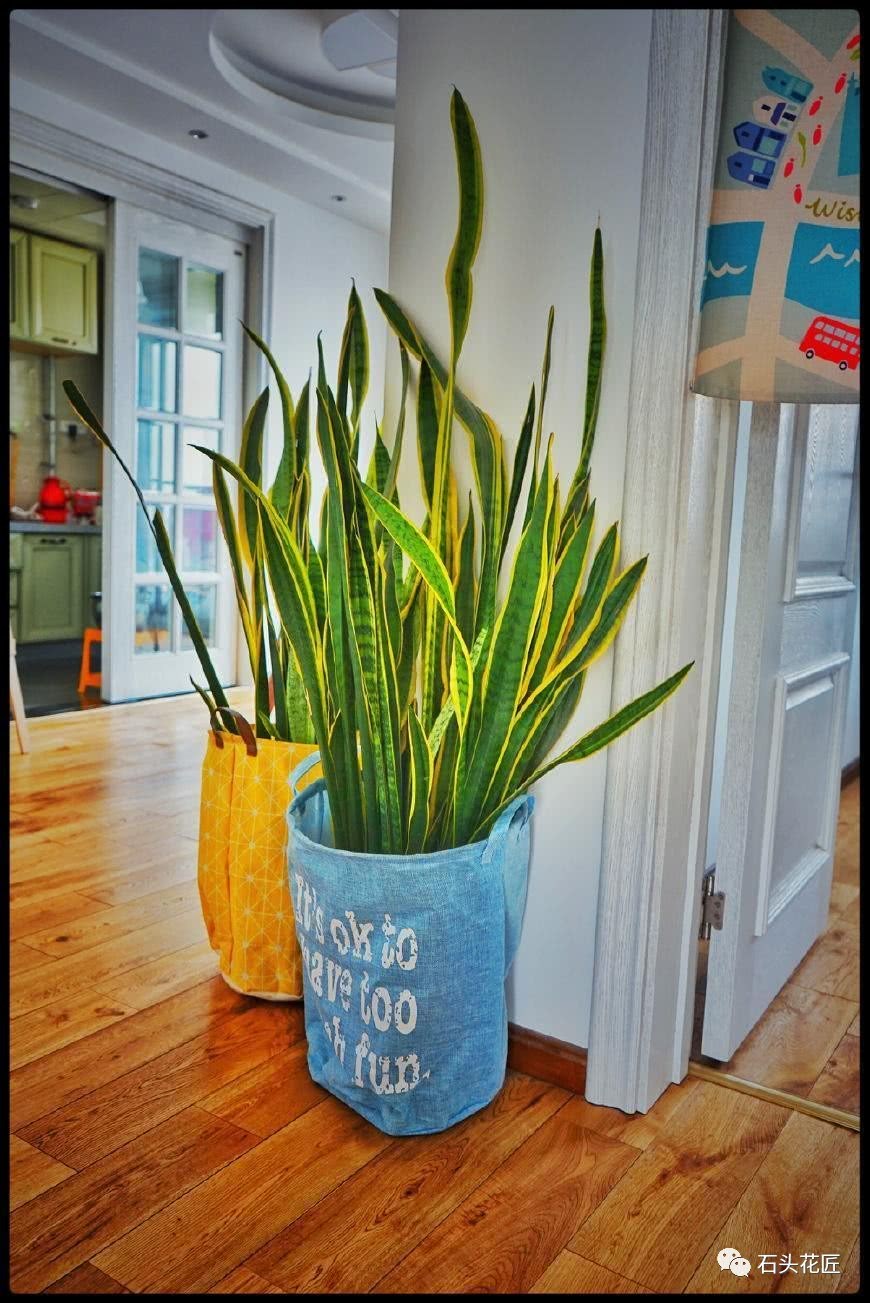
Flower pot soil "compacted" into big clumps, old gardener uses 3 kinds of materials, soil becomes loose and airy, rich with fertility
As people's living standards improve and get better, more and more people like to keep some flowers and plants at home, to improve the environment, purify the air, and make their living environment healthier and cozier.
But in the process of growing flowers, many beginners run into all kinds of different problems. For example, yellowing leaves, root rot, and soil compaction. Especially after soil compaction appears, many flower lovers are at a loss. Actually, the main reason soil compacts is that the soil was chosen incorrectly at the beginning and the watering method later on was incorrect. Today I'll share with you:
Flower pot soil "compacted" into big clumps, old gardener uses 3 kinds of materials, soil becomes loose and airy, rich with fertility
Analysis of the causes of soil compaction
Generally, soil compaction when growing flowers has two main causes:
1. When you first start growing flowers, there is a problem with the soil you choose. Potted plants just bought from the flower market all need repotting and soil changing, because when selling these flowers, merchants will directly use dug-up garden soil to plant them, and later on soil compaction easily appears. So when you buy them back, you should buy some humus soil yourself, mix it with river sand, and then use it to grow flowers.
2. In the later care and management process, improper watering. I have shared many little tips about watering flowers before, always emphasizing that when watering flowers, water when dry and let dry between waterings, and water thoroughly each time. If you always give half-hearted watering, that is, only watering the top of the pot while the bottom is still dry, over time soil will clump around the roots, and as the time spent growing flowers lengthens, the soil in the whole pot will become compacted.
If soil compaction appears in the flower pot, you must change the soil immediately. Relying only on loosening the soil cannot solve the problem, because once the soil is compacted, its texture is no longer suitable for plant growth. For home flower growing, you can mix and prepare your own fertilizer, and after fermentation, use it to grow flowers, which is quite convenient and simple.
Three common household materials, mixed and fermented to grow flowers, loose and airy with plenty of fertilizer effect
1. Tea dregs
Every household has tea dregs. Each time you drink tea, collect some tea dregs for a week straight. Used as fertilizer for growing flowers, they not only have a good fertilizer effect, but also make the soil loose and airy. This is because tea dregs are rich in nitrogen and potassium. After full fermentation later on, they are a very good growing medium for flowers.
2. Sawdust
Sawdust is a kind of waste residue produced when processing wood. Generally, sawdust is often used to grow mushrooms, so fermenting sawdust and using it to grow flowers makes a very good organic fertilizer.
3. Pine cones
In autumn, when pine cones mature, you can pick some dry pine cones when you go out on holidays, place them at the bottom of the flower pot, or after full fermentation, mix them with soil. They are all very good fertilizer. Pine cones are rich in pine oil and rosin. They are not only nutrients for growing flowers, but also have a sterilizing and disinfecting effect. Added to the flower pot, they can prevent the plant's roots from rotting.
You can use one part tea dregs, two parts sawdust, and three parts pine cones. After mixing, put them in a bag and place it in a cool outdoor spot to ferment for about two weeks. During fermentation, keep it moist, and it can fully ferment into organic fertilizer. Then choose two parts of the fermented organic fertilizer, one part garden soil, and one part river sand, and mix them thoroughly into a mixed soil for growing flowers. Used to grow flowers, soil compaction will not appear, and it is loose, airy, and very rich in nutrients.
Flower lovers who have the conditions can try it themselves. This fermented organic fertilizer has a very good effect on growing flowers. If you find it useful, please like, follow, and forward it to more friends below.
I am [Stone Gardener], and I share little flower-growing tips every day. Remember to follow.