After the autumn chill sets in, watering flowers with these 2 common types of water will kill them as soon as you pour it on. I've watered wrong before too.
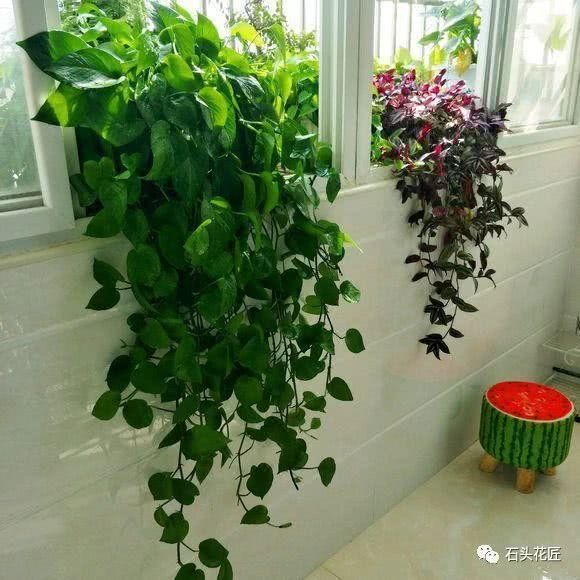
As people pay more and more attention to health, many grow some flowers and plants at home to purify the air, beautify the environment, and benefit the family's health. When you grow many flowers, you naturally have to spend more energy and time on caring for them, and watering is a very important matter.
As the saying goes: growing flowers is 7 parts water, 3 parts fertilizer. Watering is naturally the most important part of growing flowers. With the arrival of late autumn, the weather gradually turns cooler. When watering flowers, you should be careful to avoid some pitfalls. Today I'll share two common types of water that cannot be used directly to water flowers, otherwise they easily cause the plant to rot and die.
After the autumn chill, watering flowers directly with tap water is bad for plant growth
With the arrival of autumn, the ambient temperature gradually drops. In many places the difference between day and night temperature reaches more than ten degrees. Especially in the early morning and at night, the water temperature also drops accordingly. Watering flowers directly with freshly drawn tap water is extremely unfavorable to plant growth. First, when water that is too cold is poured into the flower pot, it lowers the activity of the plant's root system; moreover, freshly drawn tap water contains hypochlorous acid, and pouring it directly into the flower pot harms the plant's root system and easily causes root rot.
The correct way to water in autumn: water flowers after the tap water has been fully left to stand and air out
Draw the tap water into a basin and let it stand and air out for a day, then use it to water flowers. First, this lets the water temperature come close to the ambient temperature, so when it is poured into the flower pot the plant's root system accepts it easily; and after standing and airing out, the hypochlorous acid in the water has already evaporated, so pouring it into the flower pot will not irritate the root system.
Watering flowers directly with rice-washing water easily causes the soil to harden and attracts pests
Every household has rice-washing water. Many flower lovers know that watering flowers with rice-washing water is good for plant growth, but using rice-washing water to water flowers requires one big prerequisite: the rice-washing water must be fully fermented first, then diluted with water before being used to water flowers, which benefits plant growth. If you pour rice-washing water directly into the flower pot, it easily causes the soil to harden, and the rice-washing water will ferment in the soil and easily attract pests, so the loss outweighs the gain.
The correct way to use rice-washing water in autumn: ferment it fully, dilute it with water, and use it to water flowers
Put the water from washing rice into a bottle and let it ferment fully for about two weeks. When you see foam at the mouth of the bottle, it means the rice-washing water has fermented fully. Then add clean water to the fermented rice-washing water and dilute it at a ratio of 1:5, and use it directly to water flowers. It can supply abundant elements such as nitrogen, phosphorus and potassium. Poured into the pots of spider plants (Chlorophytum comosum) and pothos (Epipremnum aureum), it can promote plant growth.
Now that autumn has turned cool, these 2 kinds of "common water" cannot be used to water flowers. They kill as soon as you pour them on. I watered "wrong" before.
Growing flowers is also a field of knowledge, so in the process of growing flowers you need to constantly accumulate tips and experience. Only in this way can you grow the potted plants at home robust and beautiful, and avoid stepping into some pitfalls.
These are small tips for watering flowers in autumn. If you find them useful, please like, follow below, and forward to more friends.
I am [Stone Gardener], and I share little gardening tips every day. Remember to follow me.