What to do when a spider plant's roots rot? Pay attention to these points, and turn your home into a secret garden in seconds
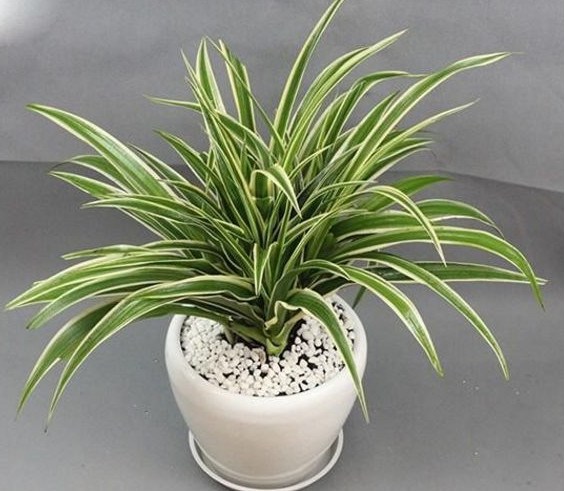
Growing flowers and plants has long been a hobby for many people. It not only decorates our entire room and embellishes our lives, but keeping some flowers and plants at home can also be pleasing to the eye, and green plants can release more oxygen in the sun. Many people choose to keep some spider plants (Chlorophytum comosum) at home, as they are both attractive and do not take up too much space.
Spider plants have fleshy roots, so their roots rot very easily, because the spider plant draws its nutrients from the outside through its roots. If the roots rot, the plant will not live much longer.
1. Soil-cultured spider plants
Spider plants grown in pots are generally the most prone to root rot, because some people tend to overwater them, so the water in the pot is not drained away in time and remains around the roots. When the roots are soaked in water for a long time, they will slowly turn black and rot.
In this case, watering should be restrained. We can move the spider plant to a spot with plenty of sunlight so that it can take in more nutrients, which also helps the water in the pot evaporate faster. Or we can make several more holes around the pot the spider plant is growing in, which is even better for drainage.
In addition, spider plants may also suffer root rot because of the nature of the soil. If the soil is not changed for a long time, it easily clumps, and the soil's air permeability decreases, which is bad for the timely exchange of substances between the spider plant's roots and the outside, and bad for the extension and growth of the roots.
We can regularly replace the soil of soil-cultured spider plants, or loosen the soil and add some substances that increase the soil's air permeability, making the soil loose. In this way, the spider plant's roots will have better room to grow and will be less likely to rot.
2. Hydroponic spider plants
The roots of a hydroponic spider plant can be seen directly. We just need to pay more attention and regularly observe the spider plant's root system. If we find that the roots soaked in water have turned black, we can promptly cut off the roots that have already gone bad.
If the spider plant's roots rot because the water used to grow it has a problem, or because the water level in the bottle is too high, we should replace the water in time. And for people who are unsure about the water level, it is best to let half of the spider plant's roots be exposed to the air and the other half stay in the nutrient solution, which greatly increases the chances of the roots getting oxygen.
The quality and temperature of the water used for hydroponic spider plants, as well as the water level, are several important factors affecting the roots of spider plants. Once the roots of a spider plant at home turn black and rot, we must deal with it promptly, so as to help the spider plant grow healthily and vigorously.