This potted plant is easier to grow than pothos, grows fast, is not afraid of the cold, and is also a formaldehyde buster
One autumn rain brings one spell of chill; the temperature has visibly dropped, and there is no longer any worry about flowers and plants being scorched to death by the sun. But when we buy new flowers and plants, we still need to consider the issue of frost protection. Many friends who have just moved into a new home will buy a pothos to keep at home to absorb formaldehyde. However, in the season when the temperature is gradually dropping, Qiu Ma does not recommend buying pothos. Although pothos is easy to grow, it is afraid of the cold. During winter care, it is very prone to cold damage, and it is possible that after one winter, all the pothos at home will die, leaving only the pots.
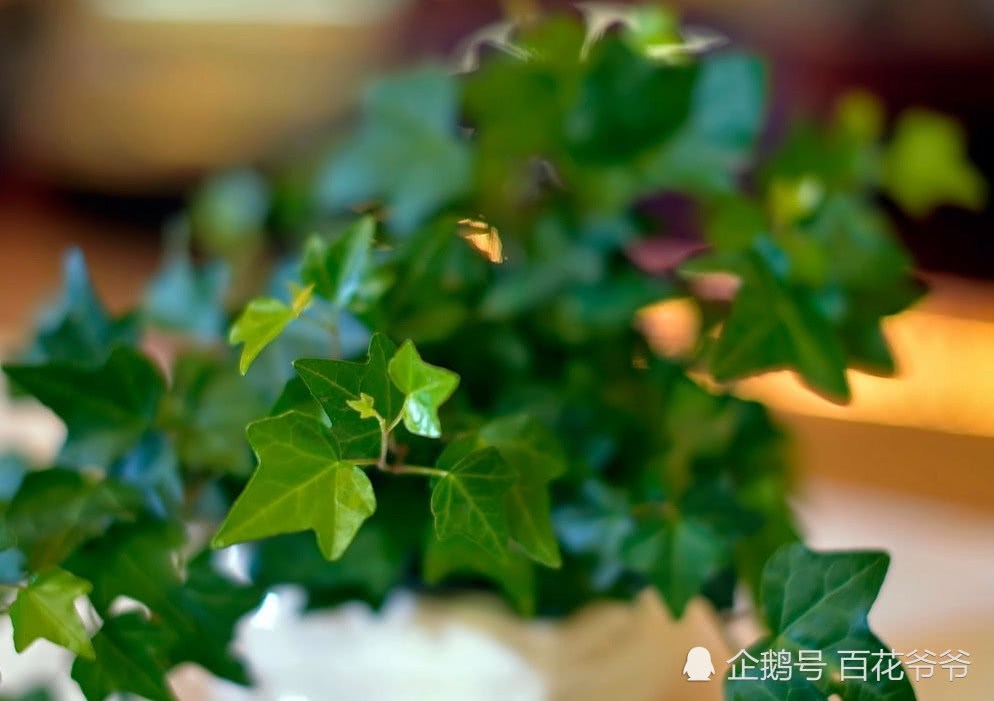
Today, Qiu Ma recommends a plant whose effects are no worse than pothos: English ivy (Hedera helix). It stays evergreen all year round. Aside from being a bit afraid of heat in summer, in autumn and winter it is recommended for purifying indoor air and absorbing formaldehyde and the like. Compared with pothos, which is so afraid of cold, English ivy can be said to be very cold-resistant; in southern regions, it can even overwinter outdoors.
Here are the care tips for English ivy, for flower lovers who like it to refer to:
1. It is suitable for care indoors in a ventilated spot with diffused light. Outdoor English ivy is best not exposed to harsh sun, as this easily makes the leaf color turn ugly;
2. The potting soil can be kept a bit on the dry side. Soil that is too moist easily causes root rot, leaf rot and similar problems;
3. For those caring for it indoors in winter in northern regions, the leaves need to be misted frequently to increase air humidity;
4. As for fertilizing, do not fertilize in summer and winter; apply a thin fertilizer in spring and autumn, and do not let the fertilizer solution touch the leaves.
Finally, to add a bit about English ivy's powerful air-purifying effect, it is no worse than pothos.
English ivy can effectively resist the carcinogens in nicotine. Through the tiny stomata on its leaves, it absorbs harmful substances and can convert them into harmless sugars and amino acids. It can also purify indoor air and effectively remove indoor trichloroethylene, hydrogen sulfide, benzene, phenol, hydrogen fluoride and ether, among others. It is greatly beneficial to health. Flower lovers who have just moved into a new home must not miss it; it is the first choice among green plants for removing formaldehyde in autumn and winter!
The above sharing is for flower lovers to refer to. Flower lovers are welcome to share more interesting and practical care tips, so we can learn and improve together!