Orchids and clivia not blooming has little to do with fertilizing; the real reason is here
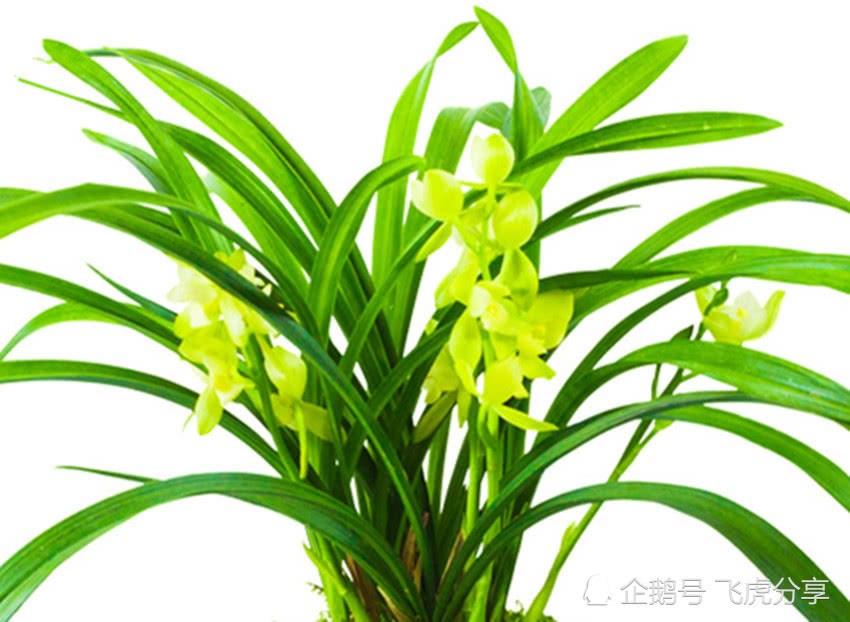
After growing orchids and clivia for so many years, at first I was just like everyone else: whenever they failed to bloom, I assumed it was a lack of fertilizer, so I tried every way I could to apply all kinds of fertilizers, and later came yellow leaves, root rot and death. Later, after learning about the wild habits of orchids and clivia, and combined with my own long-term observation and practice, I finally worked out the main reasons why orchids and clivia fail to bloom.
Neither orchids nor clivia are flowers that like heavy fertilizer and heavy water. Anyone who has dug up wild orchids knows that orchids grow year-round in the surface soil on mountains, on rocks or on the branches of old trees, and have done so for many years. Where would fertilizer come from? Yet they can bloom continuously year after year, and the flowers they produce are both large and numerous, while the plants also grow very vigorously. Moreover, most orchids grow in the tropical rainforests of the south, and are rarely seen in the mountain forests of the north. The year-round climate of the tropical rainforest is rainy, shady and damp, with high temperatures during the day and low temperatures at night, and a large day-night temperature difference. It is exactly this natural climate that is the main reason driving orchids to form buds and bloom.
I have carried out many experiments. If orchids are kept at the same temperature day and night during their blooming season, it is very difficult for them to form buds and bloom. If, during the blooming season, the day-night temperature difference is kept at more than 8 degrees, then even if there is no fertilizer at all in the growing medium, they will still form buds and bloom; it is just that with sufficient nutrients they produce more and larger flowers, and with fewer nutrients they produce fewer and smaller flowers. So whether orchids and clivia bloom has little to do with fertilizer; the most important thing is the temperature difference.
But then again, without nutrients plants will not grow well either. However, those generally grown in media such as leaf mold and pine needle soil mostly have sufficient nutrients and do not need fertilizing at all. If you really must use fertilizer, you can mix fully rotted organic fertilizer with water, and use the top liquid to water or spray, but the prerequisite is that it must be weak, must be diluted, must not be too concentrated, must not use raw fertilizer, and even more must not use chemical fertilizer, so as to avoid burning the roots and burning the seedlings.