Add 1 ingredient to the soil for clivia after early autumn, and new shoots will sprout vigorously, the leaves will be glossy, and it will bloom abundantly
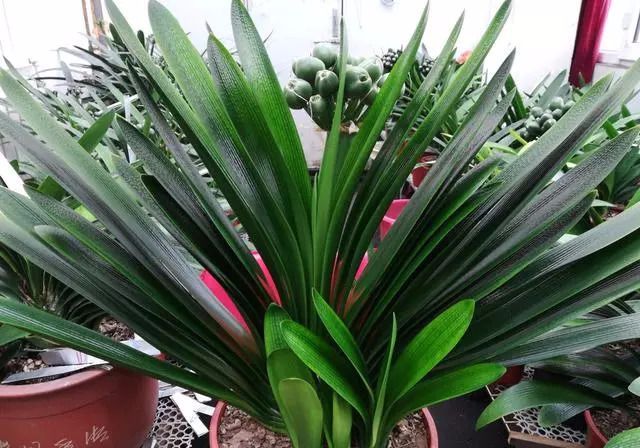
After early autumn, the weather gradually turns cooler, and clivia, having made it through the dangerous summer, slowly regains its vitality. In some areas where the temperature is suitable, gardening enthusiasts have all started repotting their clivia. Autumn is the golden period for clivia growth, and when repotting, add 1 ingredient to the soil, and the clivia will keep sprouting new shoots, with glossy leaves and abundant blooms.
So what ingredient should be added when repotting? Everyone has the habit of adding base fertilizer - hemp seeds, sesame seeds, sunflower seeds, and so on. These are all commonly used, and they are also oil-rich materials that clivia loves. Besides these, you can actually also add 1 little snack that we love to eat, and that is walnut kernels.
Isn't it a bit extravagant to buy walnut kernels specifically to feed clivia? It does feel that way, after all, walnuts are not cheap either, so it is best if you have expired walnuts at home, but they must be plain walnuts, as processed walnuts contain too much salt, which can be harmful to clivia.
Usually people are not careful when using base fertilizer, and there is a risk of burning the roots, so first, be careful to keep it away from the root system, and second, be careful with the amount. For something as oily as walnuts, just use a small amount. Stir-fry the walnut kernels, let them dry, then at the bottom of the pot, first put a layer of soil, then put the walnut kernels, and then cover with another layer of soil to separate the fertilizer from the root system, so that through watering, the fertilizer can be gradually released and dispersed, which is good for root growth.
Don't throw away the walnut shells either; they can be used to line the pot and make a drainage layer, serving multiple purposes. After using it, gardening enthusiasts felt that the fertilizer effect was better than hemp seeds, with thick and numerous roots, glossy leaves, and overall good growth. You may not necessarily have walnuts on hand, so you can continue using what you are used to, or not use any, because right after repotting, the soil contains nutrients, and with monthly topdressing, the clivia can still grow well and bloom more.
Regardless of whether base fertilizer is used, autumn is the stage when clivia develops flower buds, so be sure to supplement it with phosphorus and potassium fertilizer. We can use an orchid-specific organic nutrient solution, which does not contain hormones and is very suitable for fleshy root systems. Use it once every 10 days to promote clivia flower bud differentiation, prevent the flower stalk from getting stuck, give beautiful blooms with large, brightly colored flowers, and also extend the flowering period.
However, to promote flower bud differentiation, you also need to maintain a temperature difference of more than 10°C for about 1-2 months, and during this period also give it plenty of light, so that the clivia can bloom smoothly. If your clivia is not yet a mature plant, then the focus of care is not on promoting flowers; we need to promote its vegetative growth.
At this time for topdressing, we can use a general-purpose organic nutrient solution, which is purely plant-fermented and can promote root growth. The roots and leaves of clivia are correlated to a certain extent; when new roots grow, new leaves will also grow along with them, and when the root system grows well, the leaves will naturally be plentiful. You can also use diluted nutrient solution to wipe the leaves, so that the clivia can have strong roots and many leaves, with the leaves turning oily green and glossy.
That is all for the little tips on clivia care.