9 Major Problems in the Soil Cultivation and Care of Lucky Bamboo as an Indoor Potted Plant
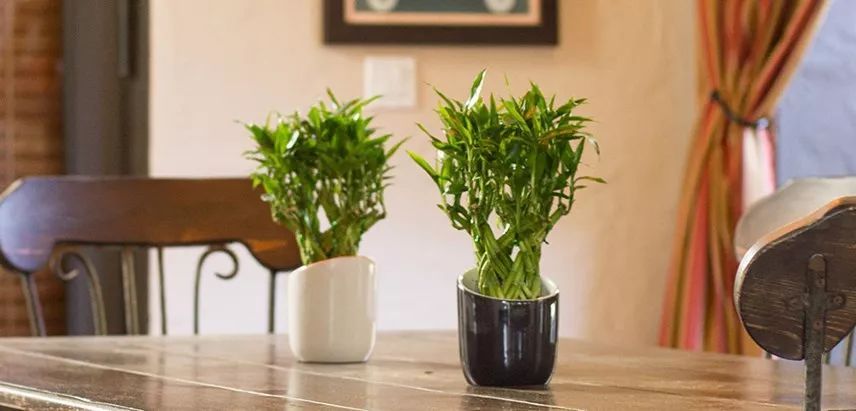
Caring for lucky bamboo indoors is very easy. It can be grown at home as a water-cultured or soil-cultured plant. It does not need much light and prefers a warm, humid environment year-round. The care location just needs a little scattered light or bright light.
Below are ten points to note when growing lucky bamboo in soil.
1. Soil and Water
To grow lucky bamboo, choose a loose, breathable, well-draining sandy soil. Avoid heavy or poorly draining soil and avoid waterlogged soil. Before each watering, check whether the potting soil has dried out. You can wait until the soil is dry about 3 cm below the surface, then water thoroughly once. You can regularly mist water around it to maintain a certain air humidity and avoid too much dust on the leaves.
2. Regular Fertilizer Supplementation
When growing lucky bamboo in soil, give it a light organic slow-release fertilizer occasionally, generally once every three months. In autumn and winter, stop fertilizing.
Add fertilizer to lucky bamboo at about 1/10 of the usual concentration. Avoid too high a concentration, otherwise it easily burns the roots of lucky bamboo.
3. Yellowing Leaves and Stems ⟧11⟧If the entire stem of lucky bamboo turns yellow, it is generally caused by overwatering, or it may be caused by compacted soil and poor root drainage.
If the entire stem of a lucky bamboo turns yellow, it is usually caused by overwatering, and it may also be caused by compacted soil and poor root drainage.
If the top stems and leaves turn yellow, it is very likely caused by excessive exposure to the sun. Just move it to a shady spot and care for it there for a period of time.
If the leaves turn yellow, it is very likely that the soil is alkaline and the leaves are yellowing. It is best to water with rainwater. If using tap water, it is best to let it sit for two or three days before use.
4. Repotting and Transplanting
Lucky bamboo grown in potting soil needs to be repotted about once every two years, to avoid overly vigorous root growth in the soil, which can easily cause root rot, and in severe cases can cause the branches and leaves to wither.
When lucky bamboo is growing in soil, during repotting, properly prune the roots. Too many leaves at the bottom should also be cut off to prevent the leaves from turning yellow after repotting.
5. Regular Pruning
When lucky bamboo has just been planted, too many leaves at the bottom should be peeled off. During care, withered or yellowing leaves should be cut off in time, otherwise they will consume too many nutrients and affect growth.
6. Light Considerations
When caring for lucky bamboo, you can place it in a bright location and give it appropriate scattered light every day, but avoid exposure to strong sun or excessive direct sunlight, otherwise the leaves are easily sunburned, and otherwise the leaves will all turn yellow within a day.
7. Avoid Freezing
Lucky bamboo is a tropical foliage plant. The care environment should remain warm year-round, and the minimum care temperature should stay above 5°C, otherwise it is easily damaged by cold. When summer temperatures are too high, you can spray water around it to cool it down.
8. Pay Attention to Pinching the Top
If you want potted lucky bamboo to grow more branches, you can pinch the top once it reaches a certain height. Cut off a small section from the top. The stem cuttings can have their lower leaves removed and be reinserted to become new potted plants.
9. Treating Root Rot
If you find that the bottom stem of potted lucky bamboo is rotting, repot it in time, remove the original soil, and prepare a more freely draining sandy soil.
You can mix 2 to 3 equal parts of river sand or perlite into the soil to avoid waterlogging and root rot. After pruning, you can appropriately soak it in a rooting powder solution or potassium permanganate solution, which has a certain sterilizing effect.