How to care for jasmine after autumn so it grows lush branches and leaves, with buds covering the branches
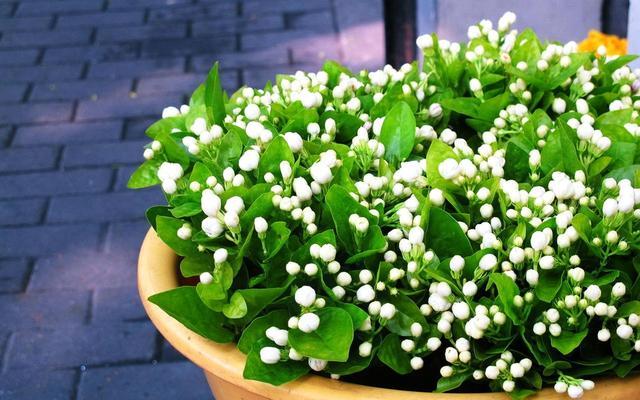
The jasmine plant has a compact shape, emerald green and glossy leaves, and bears pure white flowers that give off a subtle fragrance, making it deeply loved by gardening enthusiasts. But ever since autumn began, the jasmine flowers have been blooming sparsely, and are also especially prone to dropping buds, so it may be that these few points have been overlooked.
Light
In autumn, the daylight hours are much shorter than in summer, and the light is also much weaker than before, so the jasmine needs to be given plenty of light. However, in some places the light is quite strong at noon, so you can give it a bit of shade, which will make the jasmine's branches sturdier and produce more flowers.
Water
In autumn, you need to appropriately reduce watering for the jasmine, otherwise the jasmine's leaves will turn yellow and it will bloom less, so when growing it, be sure to wait until the soil is slightly dry before watering it thoroughly. In addition, when the jasmine's leaves turn yellow, you must stop watering, and wait until the soil is dry before resuming normal watering.
Fertilizing
When caring for jasmine in autumn, you must reduce fertilizing, but some gardening enthusiasts are afraid that it will not have enough nutrients to bloom, so we can appropriately apply some light fertilizer to the jasmine, and do not fertilize too frequently; the best time to fertilize is in the evening or in the morning.
Pruning branches
Jasmine basically blooms on newly grown branches, so you need to prune off the old branches and old leaves, which can promote the sprouting of new branches, and in this way, you can make the jasmine bloom more flowers. Also, after the flowers fade, prune them off immediately, otherwise they will consume extra nutrients.