So the only difference between you and a gardening expert is a little baking soda
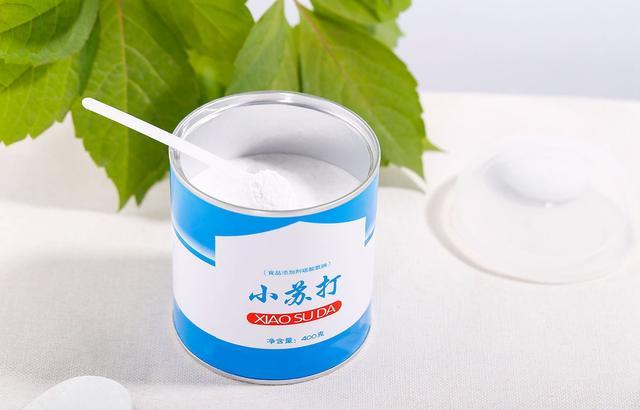
Baking soda is one of the most common kitchen items at home, and it is indispensable when making steamed buns and bread. But baking soda is not only for making them - using it to grow flowers works amazingly well too, and it is very easy to do. Here is a detailed introduction for everyone, so hurry up and learn it, friends!
Remove odors
When fermenting flower fertilizer, it always gives off a rather pungent stench that is really hard to accept. So we can add two or three spoonfuls of baking soda during the fermentation process, which can effectively remove the odor and also increase the nutrients of the flower fertilizer.
Extend the flowering period
First, stir one small spoonful of baking soda and 4000ml of clean water evenly, then put the mixed solution into a spray bottle and spray it on the flowering plants. This can effectively promote plant flowering, extend the flowering period, and also make the flowers larger and more brightly colored.
Adjust soil pH
Plants like gardenia or jasmine themselves prefer acidic soil. If the soil is alkaline, it will affect the growth of the plants. So we can use baking soda to change the pH of the soil. First, stir one small spoonful of baking soda and 4000ml of clean water evenly, then directly water it into the soil.
Prevent powdery mildew
Baking soda itself has a disinfecting and sterilizing effect. Plants like orchids or azaleas are very prone to powdery mildew, which is really annoying. So we can stir baking soda with an appropriate amount of clean water evenly, then put it into a spray bottle and spray it on the leaves or stems, which can effectively prevent the plants from being infected by pathogens.