How do you care for jasmine after autumn so it blooms in a mass of flowers? An old florist teaches you the method
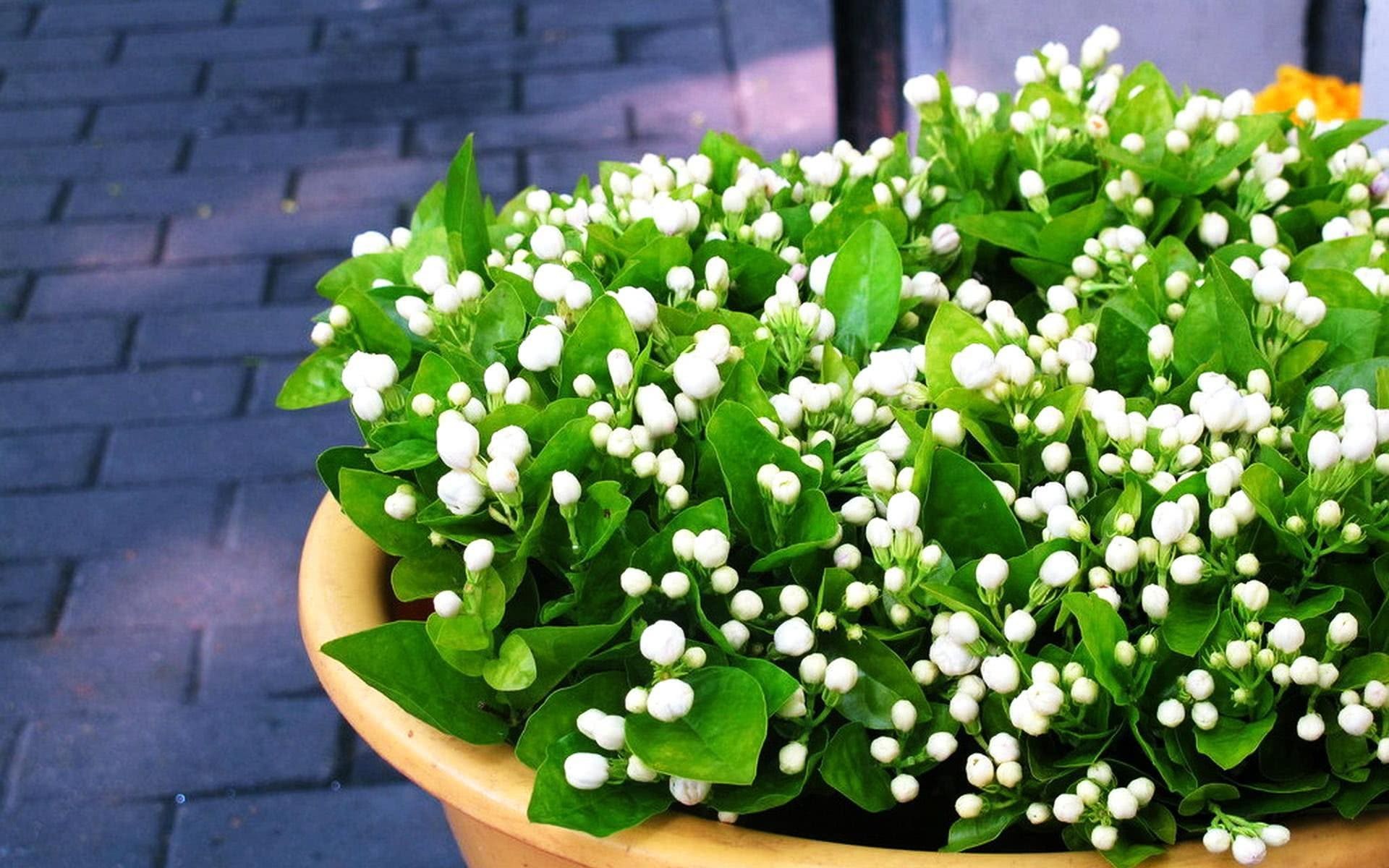
Jasmine has a compact plant shape, emerald-green and glossy leaves, and bears pure white flowers that give off a faint delicate fragrance, making it deeply loved by flower lovers everywhere. But ever since the start of autumn, the jasmine flowers have been blooming sparsely, and the buds also drop very easily, so it may be that these few points were overlooked.
Light
In autumn, the daylight hours are much shorter than in summer, and the light is also much weaker than before, so the jasmine needs to be given plenty of light. However, in some places the sunlight is fairly strong at midday, so you can give it a bit of shade then, and this will make the jasmine's branches sturdier and let it open more flowers.
Water
In autumn, you need to appropriately reduce watering for jasmine, otherwise the jasmine's leaves will turn yellow and it will bloom less. So when growing it, be sure to wait until the soil is slightly dry before watering it thoroughly. In addition, when the jasmine's leaves turn yellow, you must stop watering, and once the soil is dry, just resume normal watering.
Fertilizing
When caring for jasmine in autumn, you must reduce fertilizing, but some flower lovers are afraid it will not have the nutrients to bloom, so we can appropriately give the jasmine a little light fertilizer, and do not fertilize too frequently; the best time to fertilize is in the evening or the morning.
Pruning the branches
Jasmine basically blooms on newly grown branches, so you need to prune off the old branches and old leaves, which can encourage new branches to sprout, and in this way you can make the jasmine open more flowers. Also, right after the flowers fade, prune them off immediately, otherwise they will consume extra nutrients.