Growing succulents at home: handle the dead roots properly and they'll establish 10 times faster
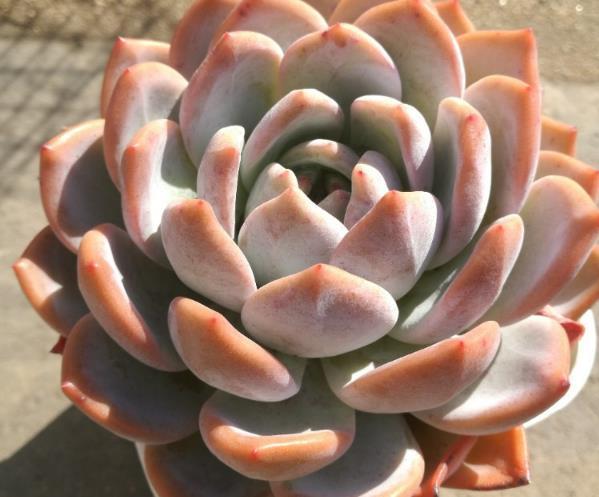
Before potting succulents: even though the seedlings are small, they still have dead roots and leaves. Just pull the dead roots off with your hands. Don't be reluctant to trim roots and remove leaves just because the seedlings are small, especially for Lithops-type succulents. When trimming their roots, they're almost completely bare, which is actually better for rooting later. After trimming, the succulent can be soaked in a carbendazim solution for a few minutes, then placed in a cool, ventilated spot to let the wounds dry. Different succulents take different times to dry; generally about two days, but for Aizoaceae succulents it's best to wait about a week.
For ordinary succulents bought online, the seller removes the soil and dries the roots before shipping. Combined with the nutrient consumption during transport, many of the succulent's fibrous roots have already shriveled and lost their function. At this point you can trim away all the roots except the main root. With online-bought succulents you can't be sure whether pests exist in their growing environment, so after receiving the goods and trimming the roots, you can soak the whole succulent in a carbendazim solution of a certain ratio to make sure any insect eggs on it are killed.
After root trimming and sterilization, the succulent can be placed in a cool, ventilated spot to let the wounds heal; about half a day to a day is enough. Plant the succulent in slightly moist soil and wait 5-7 days, keeping it in a cool, ventilated spot so it can slowly root and establish. After a week you can water moderately. At the same time, the survival rate of succulents also depends on the growing environment. If it's a hot summer, it's best to plant in the evening or at night.
How do you mix soil for potting succulents? The ingredients are very simple: maifan stone (coarse sand), peat, a small amount of perlite and vermiculite. The main component is maifan stone, or coarse sand. Maifan stone is more expensive than coarse sand, and many greenhouses use coarse sand directly; maifan stone and coarse sand have the same effect in this recipe. Let the soil contain a bit of moisture, so the seedlings potted in it basically need no watering during the establishment period. Until the seedlings grow new leaves, keep them in a spot with bright, indirect light and good ventilation; only once there are obvious signs of growth can you go back to normal care. During the establishment period, succulent seedlings should not be given a heavy watering. If the potting soil is dry, you can mist the surface soil to keep it slightly moist.
A week after potting, you pulled the succulent out and found it had already rooted. Will it still live if you plant it back? A week after potting, you pulled the succulent out and found it had already rooted; it can still live if you plant it back. Don't expose it to strong sun. At this time most succulents are also in their dormant period, which may last a month or two, and new tender shoots will grow from the base of the succulent, gradually growing into a new succulent and eventually becoming more and more lush.
Can succulents be washed with water before potting? Try not to wash them. First use moist soil to let them establish; after they've established, when watering you can use a spray bottle to rinse them clean. If you really must wash them with water, you can blot the moisture dry with toilet paper. When planting, you can use ceramsite as a drainage layer, and mix nutrient soil with coal cinder and akadama, in whatever ratio you like; for more breathability, add more coal cinder and akadama. Top dressing is a personal preference; I use kanuma soil, which turns yellow after watering, making it easy to control the amount of water.
This is a gathering place for succulent enthusiasts, sharing succulent care tips. Welcome to follow and exchange ideas.