These four kinds of flowers should not be kept indoors; move them out as soon as possible to avoid problems
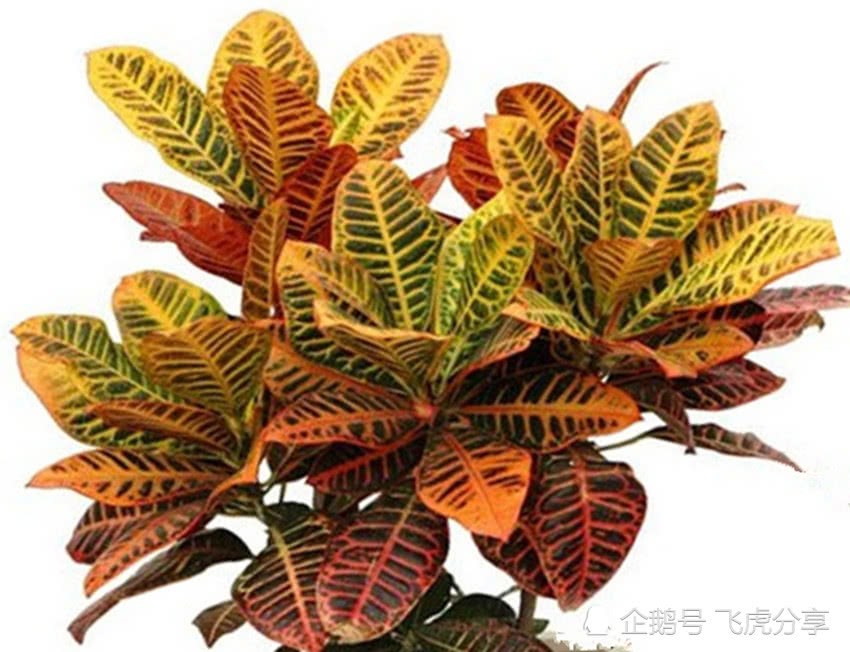
Nowadays people like to keep a few potted plants and flowers at home, which beautifies the living environment, makes the air fresher, and is also of great benefit to personal health. But not every kind of flower is good for health; some are just the opposite, not only not beneficial to human health but also causing great harm to it. Therefore, when choosing plants and flowers, you must pay attention: the following four kinds of plants and flowers should not be kept indoors.
1. The croton (Codiaeum variegatum) has densely growing branches and leaves, and its colorful leaves look very beautiful; it is a famous foliage plant. It is often seen in conference rooms, halls, hotels and other places, and in recent years many households have also grown it. But the sap in the branches and leaves of the croton is toxic; if humans or animals accidentally eat the leaves or their sap, they will have poisoning symptoms such as abdominal pain and diarrhea; the sap contains a substance that activates the Epstein-Barr virus, and long-term contact may induce nasopharyngeal cancer. So for home growing, it is better not to keep it indoors, to avoid affecting your health; if you do grow it, put it outdoors.
2. Red-backed sweet-scented osmanthus (Excoecaria cochinchinensis) has fresh and elegant branches and leaves. In the south it is often seen in parks and courtyards, and is often used as a potted plant for ornament. But the whole plant of red-backed sweet-scented osmanthus is toxic, and its toxicity is relatively strong; even the soil in which this kind of plant has been grown has been detected to contain cancer-activating ingredients, so this flower is not suitable for growing indoors.
3. The giant alocasia (Alocasia macrorrhizos) is also called "dripping Guanyin", "wolf-poison flower" and so on. Nowadays many people like to grow the giant alocasia indoors; it is a very beautiful foliage plant. It also has a characteristic: it automatically drips water droplets from its leaves, so it is also called "dripping Guanyin". But the sap in its stems and leaves is toxic; if the leaf sap enters the mouth it will cause poisoning, leading to swelling of the mouth and tongue, and even death by suffocation, so special attention must be paid especially if there are children at home.
4. Datura, also called "intoxicating flower", "big trumpet flower", "foreign gold flower" and so on. Datura has a mysterious, holy and romantic quality; whether branches and leaves or flowers, it always gives people a symbol of nobility and magnificence, and together with its fragrance, it has been pursued by many people. But datura is, after all, a toxic plant, and its whole plant is highly toxic. In severe cases of poisoning, drowsiness often appears after 10 hours, with shallow and slow breathing, decreased blood pressure, and even shock, coma, respiratory paralysis and other critical symptoms. Therefore, do not be tempted by its beauty; growing it requires caution. The toxicity of the above plants and flowers can be looked up online.