Calcium fertilizer specially for flowers, works on any flower, but many people overlook it
More and more people are growing flowers, and as part of daily life, potted flowers are receiving more and more attention. The flowers commonly kept at home these days generally include pothos, spider plant, lucky bamboo, clivia, kalanchoe, moss rose, Christmas cactus and money tree, and so on. Although each kind of flower has its own growing habits and characteristics, they all ultimately cannot do without these three factors: watering, fertilizing and nutrient soil. When it comes to the tricks of growing flowers, watering and nutrient soil are relatively simple; the harder part to get right is fertilizing the flowers. Fertilize well, and the flowers will grow more and more vigorously; fertilize wrongly, and not only will they fail to grow well, but it may also cause root rot, yellow leaves or even death. So what exactly is there to know about fertilizing flowers? Next, Potted Plant Stack shares a little trick with everyone.
It is a good "calcium fertilizer" for growing flowers, making whatever you grow thrive, yet it gets thrown away as garbage, so stop throwing it away
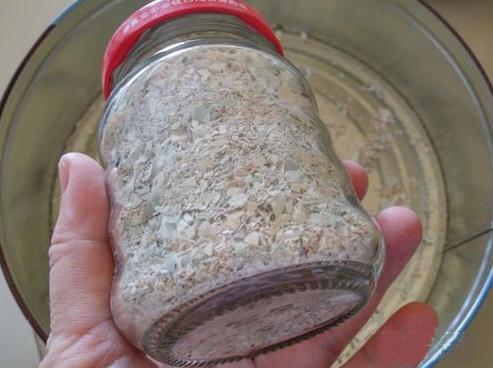
Do you see what that thing in the picture above is? Look carefully and you will find that it is actually crushed "egg shells". For some veteran flower growers, using it to grow flowers is very common. After all, experiments have shown that it really does help potted flowers. Egg shells are extremely common in daily life, and many people pay no attention to them. For example, when I was little in the countryside, egg shells were generally used as firewood for the stove, or simply thrown into the rubbish heap by the river. Using egg shells as fertilizer for growing flowers is very practical, since their composition determines what value they have.
What are the benefits of using egg shells to grow flowers
This starts with the composition of egg shells. Their main component is calcium carbonate, and after decomposing over a long period, the calcium element is absorbed by the flower's root system. Some flower lovers may ask, what happens if plants and flowers lack the calcium element? When the stems and leaves of a plant lack various trace elements such as calcium, phosphorus and potassium, photosynthesis will weaken, and the flower's disease resistance will also decline. With a long-term shortage of trace elements, flowers will show signs such as wilting and drooping leaves. So flowers need to be regularly supplemented with trace elements. The earlier sharing that applying potassium dihydrogen phosphate helps stems and leaves grow strong is also based on the principle of trace elements.
If egg shells are used as flower fertilizer, how are they used
First prepare the egg shells, then wash them clean, because if any egg white remains, burying them in the flower pot will cause fermentation and release heat, directly burning the flower's roots. After washing, the egg shells can be placed in the sun to bake. The purpose of sun-baking is first to remove odor, and second to sterilize at high temperature, so as to avoid breeding bacteria in the potting soil and harming the flower's roots. Once the egg shells are done sun-baking, they can be crushed and set aside for use. They can be mixed in as a base fertilizer when making nutrient soil for flowers, or a little can be buried in the flower pot every two months as a top dressing; both of these fertilizing methods work.
Egg shells come from life and are used in life, so it can be said they turn waste into treasure. In fact, growing flowers is the same: as long as you are good at observing and put in more care, you can always sum up some little tricks for growing flowers. Things like watering flowers with fermented rice-washing water, or using cooked and fermented soybeans as a nitrogen fertilizer, and so on, are all summed up by people who have been through it. That is all for the knowledge about using egg shells to grow flowers and add calcium fertilizer. Thank you for reading!
Remember to like and share~