How do you care for flowering potted plants at home? Remember these 8 tips
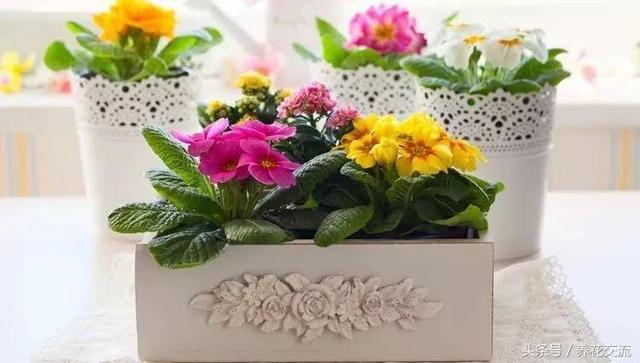
Flowering potted plants can add bright color to the indoors, and the spot where you keep them needs to get a bit more light. If they are kept in a place without sunlight, they will struggle to bloom. If you grow flowering plants indoors, then you just have to place them by an east- or south-facing windowsill.
A few things to watch out for when caring for potted plants indoors:
1. Supplement fertilizer regularly
Caring for flowering plants requires not only more light but also regular fertilizer to avoid the soil becoming too poor. Generally, during the growing season, give an organic liquid fertilizer about every 2 to 3 weeks to avoid poor soil. Also avoid giving too much nitrogen fertilizer, otherwise it will only promote vigorous leaf growth and the plant will not be able to produce flowers.
2. Pay attention to the potting soil
When growing flowering plants, you should not only choose a loose, fertile, well-draining, slightly acidic soil, but also make sure the pot drains well.
Many flowering potted plants bought from stores are decorated on the soil surface with plastic grass or colored stones. These things are very bad for the soil's air permeability and easily cause waterlogging or long-term dampness in the soil, which can easily lead to root rot. It is best to remove them and replace them with breathable, loose granular stones such as expanded clay pebbles.
3. Remove spent flowers
When the flowers of a flowering plant are about to fade, promptly cut off the spent blooms to avoid consuming too many nutrients, which can also stimulate the production of new flowers.
4. Remove yellow leaves promptly
If you find some withered or yellowing leaves at the base of the stems, be sure to cut them off promptly to avoid consuming too many nutrients.
Cutting off the dead branches and yellow leaves at the base also keeps the potted plant well ventilated and lit, preventing fungal diseases.
5. The care location
When growing flowering plants, you must place them in a spot with appropriate light, preferably with some filtered light or direct sunlight, and avoid excessive exposure. Potted plants should be placed in a shaded spot on hot summer afternoons. In winter, when temperatures are lower, they can be moved indoors to a sunny spot for care.
6. Places where they must not be placed
Potted flowers must not be placed next to a heater or air conditioner, and it is best not to put them next to large appliances either, otherwise the branches and leaves can easily dry up or the flowers can wilt.
7. Water regularly
When caring for flowering potted plants, water regularly during the spring and summer growing season. You can wait until the soil about 3 cm below the surface is dry, then water thoroughly.
In winter, when kept indoors, water should be appropriately restricted. During the plant's flowering period, you should also wait until the soil is completely dry before watering. In daily watering, do not water onto the flowers, and it is best not to leave water droplets on the leaves at night.
8. Extend the flowering period
If you want to extend the flowering period, you need to keep the flowers growing strong. Before buds form, you can regularly spray a potassium dihydrogen phosphate solution to supplement phosphorus and potassium and ensure better blooming.
During the flowering period, do not water too much, and you can appropriately move the plant to a place with less sunlight, which can extend the flowering period.