String of Pearls root rot: 2 tricks to teach you, soon growing into a cascading waterfall
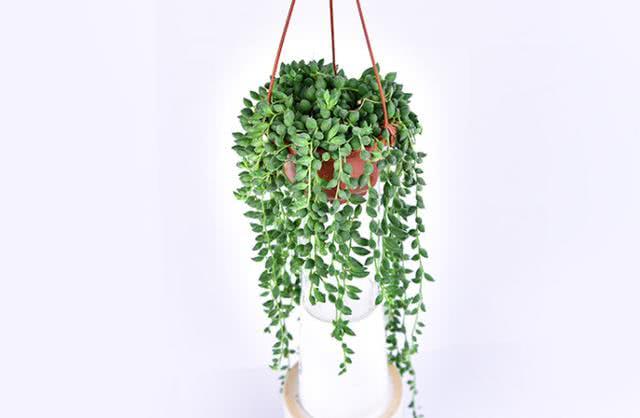
String of Pearls (Senecio rowleyanus) is a common succulent plant. Grown hanging, it has strong ornamental value and is very pleasing to the eye. A green, round, plump foliage plant, its leaves are round and thick, like strings of wind chimes swaying in the wind. During care, you may encounter root rot, which is basically caused by improper care. Let's take a look at the causes and solutions below!
(1). Too much water
Overwatering is a fairly common situation. Long-term water accumulation in the potting soil, with the water not evaporating away, will cause the roots to have difficulty breathing and to absorb nutrients poorly, and the roots will rot, or even die. Although String of Pearls likes a moist environment, its leaves are fleshy, so compared with other plants it is relatively drought-tolerant. Therefore, do not water too frequently; water again only after the potting soil has dried out. Be sure not to overwater, and choose soil with good air permeability and drainage; otherwise, if it is too heavy and clayey, it will also cause root rot.
Solution: If you find water accumulation, place it in a well-ventilated spot so the water evaporates promptly. In severe cases, take the plant out of the pot for treatment.
(2). Unsuitable temperature
Another cause of root rot in String of Pearls is improper temperature. The most suitable temperature for String of Pearls to grow is 15~25°C. When the temperature is too high or too low, it will affect the growth of String of Pearls. Especially in the hot, stuffy environment of summer, pay attention to controlling the temperature. At this time the plant has basically entered its dormant period, and with a little carelessness, rotting may occur.
Solution: When the temperature is too high or too low, you need to control watering. At this time, reduce or stop watering. You can temporarily stop watering, treat the rotted root areas, then let them dry and repot for cultivation.