Growing potted figs this way in autumn ensures safe overwintering and vigorous growth with lots of fruit next year
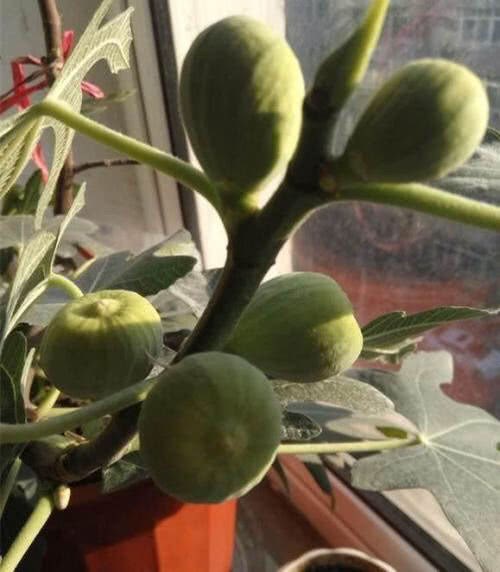
Figs are a potted fruit that many friends love to grow. They can be planted in the yard or in balcony flower pots. As autumn temperatures drop and it gets colder and colder, how do figs overwinter? What should be done so they can overwinter normally, grow lush branches and leaves next year, and bear lots of fruit?
Grow figs this way in autumn and winter, and they will stay fine all winter long, grow lush branches and leaves next year, and be covered with fruit!
As long as the temperature is suitable, figs grow vigorously, and in some regions they can bear fruit all year round. Propagating them is very simple: layering or cuttings both work. Even a branch without leaves stuck casually into soil will quickly grow roots and sprout, with especially strong rooting ability.
Under normal circumstances, as long as it is not an especially cold region and the temperature does not drop below about minus ten degrees, figs can overwinter normally. Here in central China where Xiaoya is, the potted figs grown can even be left on an outdoor terrace when it snows without any problem.
For example, in Shandong or some other colder regions, when autumn frost arrives, the outdoor potted figs should be promptly moved indoors to keep warm and placed in a spot with good light.
If they are not in pots, dig them out with roots and soil, wrap them in plastic bags, and place them on an indoor balcony, then replant them the following spring. Water twice in between to prevent the roots from drying out.
For some small seedlings, there is no need to dig them out. Simply cover and wrap them with some straw or dry grass, and they can overwinter smoothly too.
In autumn, promptly apply organic fertilizer to potted figs, whether chicken manure fertilizer or cake fertilizer is fine. In autumn, water appropriately more with fertilizer water so they grow sturdy and can resist freezing. After the fig leaves drop, pick off any fruit that has not had time to ripen to reduce nutrient loss.
In autumn, loosen the soil around figs and sprinkle some plant ash, which both prevents pests and protects against freezing. When the temperature drops to a certain point, you can wrap the main trunk and branches of the fig with straw or some leaves, but do not use plastic bags or other non-breathable materials. Overwintering is mainly about not letting them be exposed to cold wind; keeping the branches out of the cold wind will help a great deal.
For some especially cold regions, if the fig branches happen to get frostbitten in winter, you can promptly prune them off and cut away the dead branches. In spring it will sprout many new branches from the roots again. Within two years, with good fertilization and enough light, it can once again grow lush branches and leaves and bear plenty of fruit.