3 kinds of flowers that love "egg yolk" in autumn; feed them one and they will bloom nonstop, abundantly and large
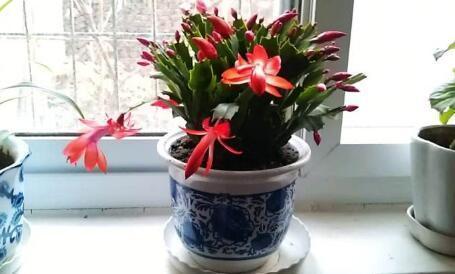
As people's living standards improve, more and more people like to keep a few pots of flowers at home, pretty and cozy, and many plants can also purify the air. Just think, keep a few pots of flowers, the home becomes prettier, and the air is fresh, giving the family a healthy and comfortable living environment, so why not do it?
It is now golden autumn, September, and late autumn is almost here. When growing flowers at this time, you must give them plenty of water and fertilizer, especially potted plants that bloom in autumn and winter, which need even more ample nutrients and nutrition. A few days ago I received a message from a flower friend asking how Kalanchoe should be cared for in autumn so that it can bloom more during its flowering period. To answer the flower friend's question and to help more flower friends grow flowers well, today I will share how to fertilize 4 kinds of potted plants that bloom in autumn and winter. Let's take a look at today's topic~
"3 kinds of flowers" like to eat "egg yolk" in autumn; eat one, and they bloom nonstop, abundantly and large!
(1)
Kalanchoe, Clivia and Christmas cactus bloom abundantly when given more phosphorus fertilizer; feeding them an egg yolk solves it
Kalanchoe, Clivia and Christmas cactus are all potted plants that bloom in autumn and winter, and their main flowering period is in winter. Under normal circumstances, with proper care, they bloom right around Chinese New Year, festive and seasonal. If you want potted plants to bloom more, then phosphorus fertilizer must not be lacking. Especially Clivia, Christmas cactus and Kalanchoe, they all quite like fertilizer, so you must give them ample phosphorus fertilizer.
After egg yolk is fermented, decomposed and broken down, it turns into a flower fertilizer containing ample phosphorus, especially suitable for the growth of Clivia, Christmas cactus and Kalanchoe, and can prompt them to bloom more. Under normal circumstances, one egg yolk in one flower pot is enough for the growth of one pot of flowers. If it is a large pot of flowers, for example with a diameter greater than 50 cm, you can use one and a half to two, though a large pot of Clivia can use 2.
The method of use is as follows:
1. Take 1-2 eggs and crack them open, separate out the egg yolk, and set aside for use.
2. Use chopsticks to poke several small holes evenly around the flower pot, away from the roots. Under normal circumstances, 5-6 holes are enough. Drip a few drops of egg yolk into each small hole, then cover with soil.
Clivia, Christmas cactus and Kalanchoe can all be cared for with this method. After using it, they can all bloom all over the pot, with many and large flowers, especially beautiful. Friends who have Clivia, Christmas cactus and Kalanchoe at home can use this method to care for them. It really works well!
(2)
Other care for Kalanchoe, Christmas cactus and Clivia
Kalanchoe, Christmas cactus
1. Soil
Kalanchoe and Christmas cactus both like loose, breathable soil with ample nutrients, so the soil mix for caring for them is generally 2 parts leaf mold, 2 parts garden soil, and 1 part coarse sand. If you can add decomposed bean dregs, then it is perfect. Such flower soil is rich in nutrients and especially suitable for the growth of Kalanchoe and Christmas cactus.
2. Light
Kalanchoe and Christmas cactus are both short-day potted plants and both like ample light. Under normal circumstances, for home care, Kalanchoe and Christmas cactus need to be placed in a bright, well-ventilated spot for care. But when the flowering period arrives, light needs to be appropriately reduced. If the light duration is too long, it is unfavorable for their blooming.
If you want Kalanchoe and Christmas cactus to bloom early, then give them only 6-8 hours of light a day, and keep them in complete darkness the rest of the time. You can cover them with a plastic bag or a cardboard box. Under normal circumstances, after about 20 days of this care, flower buds can grow.
3. Watering
Kalanchoe and Christmas cactus both have thick, fleshy leaves with water-storage capacity and are relatively drought-tolerant, so they do not need too much water. Generally, watering once every 5-7 days is enough, also depending on the specific situation. Water again when one third of the soil on the surface of the pot is dry. There must not be standing water in the pot, and you need to frequently spray water on their leaves.
Clivia
1. Soil
Clivia has thick, fleshy roots and fears standing water. Clivia also likes fertilizer, and it also likes oily flower fertilizer, so the pot soil for caring for Clivia must have good breathability. Flower friends can buy special soil for Clivia. If you can add one part of fried sesame, castor beans or bone meal, it can satisfy the growth of Clivia.
2. Light
Clivia likes light, but does not like strong light. It needs to be grown in a bright, well-ventilated place. In summer, if a shade shed can be set up outdoors or there is a grape trellis, then Clivia can grow well. So when caring for Clivia indoors, we should also try to create such an environment as much as possible. Also, Clivia has phototropism, so the flower pot needs to be turned frequently, so that its leaves can grow evenly.
3. Watering
Clivia's broad leaves and fleshy roots can both store water, so it is relatively drought-tolerant. Generally, water once about every 10 days. Flower friends can try inserting a wooden stick to test. If one third of the soil brought up is on the dry side, then you can water, and water thoroughly. There must not be standing water in the pot. You need to frequently wipe their leaves with a soft cloth. When wiping, you can dip it in a little beer water, which cleans the leaves while also acting as a foliar fertilizer, making the leaves dark green, thick and glossy.
That is all for today's sharing