Enjoying bonsai, facing life with an open mind
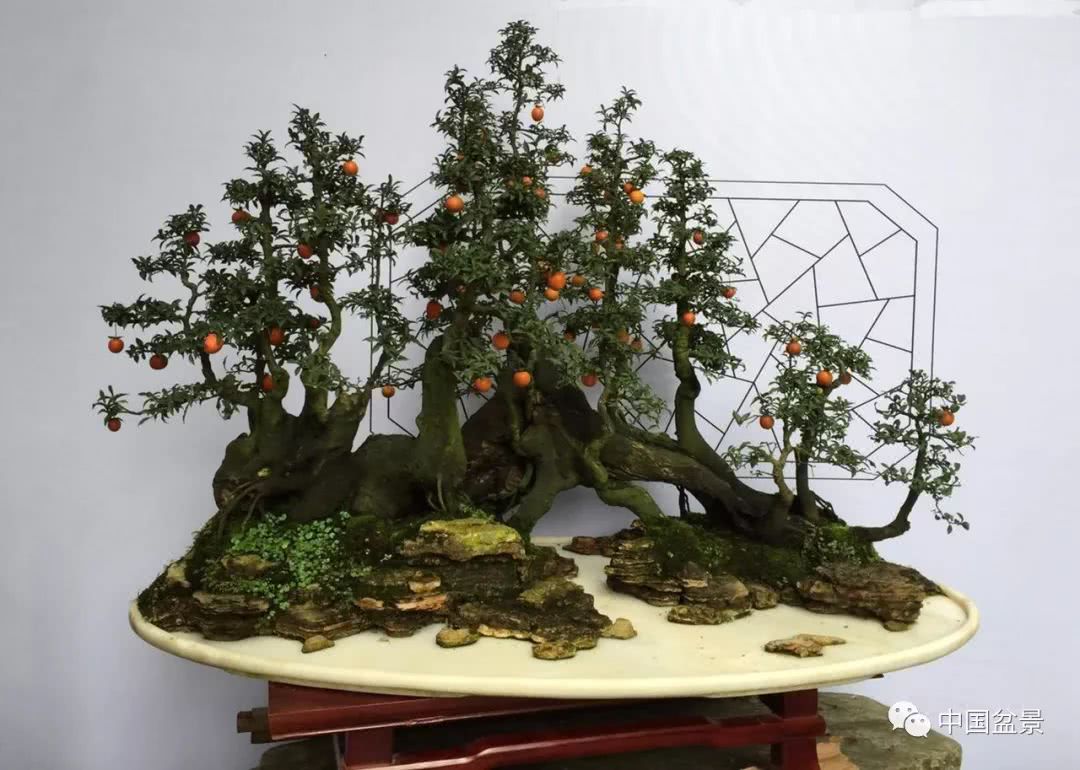
[Bonsai Enthusiast's Reflections]
Written by Zhou Yingzhi, Xiamen, Fujian
Original photography by Qiu Zheng
Many things in life can be encountered but not sought; what is deliberately forced cannot be obtained, while what was never expected often arrives unexpectedly. Therefore, one should have a leisurely and carefree heart, let everything follow fate and take its natural course, without resentment or anger, without impatience, without excess, without forcing, without pessimism, without rigidity, without panic, without losing composure, not delighted by external gains nor saddened by personal losses; following fate is not about resigning oneself to destiny, but about facing life with an open mind.
The insight needed for the art of bonsai comes from innate talent, and also from the cultivation brought by diligence. Bonsai art stands at the highest end of the horticultural field, involving disciplines including literature, fine art, botany, soil science and many other aspects. A bonsai is a three-dimensional painting, a silent poem; if what is created cannot give people a sense of beauty, then one can only be a craftsman.
A bonsai is composed of three elements: the tree, the pot and the stand. These three elements complement and bring out the best in each other with the main part of the bonsai or the part presented on the ground, and the appreciation of a bonsai is inevitably also the appreciation and judgment of each component part. The aesthetic relationship of these three parts can be illustrated with a simple example: a wooden barrel is made of several wooden staves; if the staves are of roughly equal length, the amount of water the barrel can hold depends on the length of all the staves; if one of them is a shorter stave, then the amount of water the barrel can hold depends on this shortest stave, because no matter how much water there is, any water exceeding the length of the shortest stave will flow out through the gap created by the short stave. Judging the value of a bonsai's beauty in this way, the beauty or ugliness of each component part determines the overall appreciation of the bonsai. Because the plants and rocks of a bonsai are delicate in size, they require pot stands, display stands, pots, ornaments and so on that are suited to them.
The pots used for bonsai come in various shapes. Tree-stump bonsai mostly use purple clay pots and painted pottery pots, in unrestricted shapes; landscape bonsai mostly use shallow-mouthed pots made of marble, white marble, alunite or pottery, mostly in rectangular and oval shapes.
The choice of pot must be antique and refined in texture; for example, miniature ceramic pots of the Yixing purple clay type and glazed ceramic pots can be used more often, and some fine porcelain pots may also be chosen. The shapes can be diversified, such as round, square, rectangular. Fan-shaped, oval and all kinds of other shapes are all acceptable; according to planting requirements, pots of shallow mouth, deep mouth or tall cylindrical form in square or round shapes can also be used. The color of the pot can also be diversified, such as purple clay color, white, sky blue, light yellow, deep red and so on, which can be calm and harmonious, quiet and elegant, beautiful and bright, or antique and dignified; in short, it must harmonize with the color tone of the planted plant, and also be rich in contrast and variation, both highlighting the planted plant and setting off the main subject, while not contradicting each other. At the same time, the pot must be matched according to the tree's posture, whether flying down and hanging upside down, upright or inclined.
The stands are mostly made of precious hardwoods such as rosewood, nanmu, teak, red sandalwood and boxwood, and can also be processed from bamboo or natural tree roots. The traditional forms of Chinese stands can be divided into two types: Ming style and Qing style. Ming style has an antique shape, simple structure and strong lines; Qing style features carved and engraved patterns, exquisite structure and complex, varied lines, each with its own characteristics.
Highlights replay:
Chinese bonsai welcomes you!
Enjoy at any timethebonsai exhibition hall
Promote bonsai culture, exchange bonsai skills!
Appreciate bonsai art, share a happy life!