If you skip this step when repotting flowers, all your efforts to get a full, bursting pot will be wasted
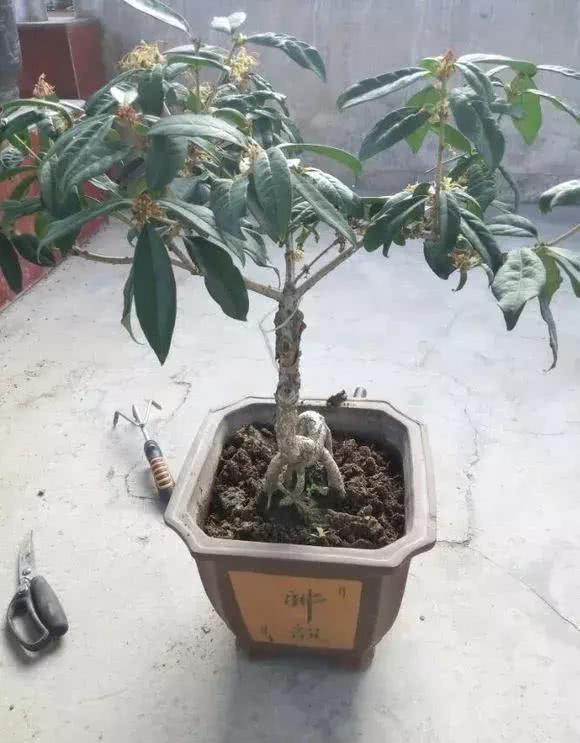
The weather is getting cooler now, and many flower growers have started repotting their flowers. But one grower told me that he originally wanted to repot his flowers so they would grow better, but unexpectedly, the flowers died just a few days after repotting. Actually, if we repot correctly, the plants will grow more vigorously, but besides these routine operations, we also need to check the root system of the flowers. If you find that the plant's roots are damaged or showing signs of root problems, we need to continue dealing with them and trim the roots. Otherwise, the phenomenon growers describe, where the plant dies right after repotting, will occur. Let's take a look below.
When we repot flowers, we should first carefully check the growth condition of their root system and completely remove all the rotten roots and diseased roots. This allows the roots to absorb nutrients better and grow stronger. Today, taking the money tree (Pachira aquatica) as an example, the editor will explain to you how to repot and trim the roots.
There are many techniques for repotting flowers. If "this 1 step" is not done, it is all wasted effort, and wanting a bursting pot is even more impossible
Rotten roots are a common occurrence with money trees. So when we repot them, we need to first check the condition of their root system. If root rot has occurred, then not only do we need to prune off the rotten roots, but we also need to completely clean off all the rotten parts on the root crown. Only in this way can we prevent bacteria from infecting other parts. At the same time, we can also sprinkle a handful of carbendazim powder on the wounds, or apply a little potassium permanganate solution to disinfect them. After drying, we can then pot them up.
If the money tree's root system is still relatively healthy and no root rot has occurred, then we can keep 1/3 of its root system. The rest of the roots should also be completely pruned off. In particular, many roots growing along the pot wall are in poor growing condition. These roots are not helpful to the plant; instead, they consume the plant's nutrients. We can directly prune off this type of root, which helps the plant grow new roots. This is of great help to the plant's subsequent growth.
Many flower growers worry that pruning the root system will affect the flowers' growth, but if the root system is too crowded, it will cause the plant to have difficulty breathing. So too many roots are not necessarily a good thing. For growing flowers, only what suits their growth is most important.
In addition, when we repot, it is best to choose the evening to do the repotting. At this time, sunlight and temperature are relatively lower, which reduces water evaporation from the leaves and is more conducive to the flowers settling into the pot. Another thing to note is that we should stop watering the flowers two days before repotting. The purpose of this is to make it easier to remove the plant from the pot, which can reduce damage to the roots.
The above are the points we need to pay attention to regarding repotting. When repotting, we must carry out root trimming. If this step is not done, it is equivalent to a wasted effort, and wanting the flowers to burst into a full pot is even harder. Well, that is all for today's article. Thank you for reading. If you want to learn more about growing flowers, welcome to follow the author Baihuaji.