Why is leukopenia prone to recurrent respiratory tract infections?
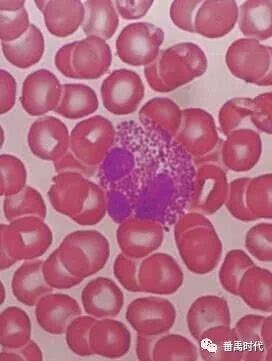
A white blood cell count below 4.0*10 to the ninth power/L is called leukopenia. The main symptoms include dizziness, fatigue, palpitations, weakness and lethargy. It is also prone to infections of the respiratory or digestive tracts and other systems, such as cough, sputum production, abdominal pain, diarrhea, stomatitis, fever, and so on. Some cases of leukopenia are mild and some are severe. Severe leukopenia is prone to complicated severe infections of the respiratory tract and other systems, and can even be life-threatening.
In particular, when leukopenia involves agranulocytosis, patients often develop sudden onset of symptoms, chills and high fever, sore throat, etc., and should be treated promptly and thoroughly. Patients with milder leukopenia may not have any symptoms or discomfort, and may not develop infections. However, once a patient with leukopenia develops recurrent respiratory tract and other infections, treatment must be started promptly to eliminate future trouble.
Therefore, patients with the granulocytopenia type, as well as their family and friends, should fully understand leukopenia. Western medicine believes that a sensitive constitution develops an allergic hypersensitivity reaction to drugs or chemical substances, leading to granulocytopenia. These are respectively: first, impaired granulocyte proliferation and maturation (aplastic type); second, excessive destruction and loss of granulocytes (immune type); third, abnormal distribution of granulocytes. Traditional Chinese medicine's view of granulocytopenia is completely different from that of Western medicine.
In the Western medicine category of excessive destruction and loss of granulocytes (immune type), it can further be divided into viral infections such as influenza, measles, viral hepatitis, chickenpox, etc.; and autoimmune diseases (such as lupus erythematosus, rheumatoid arthritis), in which granulocyte antibodies exist in the blood; immune antibodies are also present after multiple blood transfusions and in chronic active hepatitis. Also, in hypersplenism, because the reticuloendothelial cells of the spleen increase the destruction of granulocytes, granulocytopenia results.
Traditional Chinese medicine's understanding of granulocytopenia and other forms of leukopenia is as follows: first, congenital deficiency and weak endowment; second, excessive taxation and fatigue, damaging the five zang organs; third, improper diet, injuring the spleen and stomach; fourth, serious or prolonged illness with failure to recuperate properly; fifth, invasion by external pathogens, etc. From the perspective of traditional Chinese medicine, it is divided into congenital factors and externally contracted or internal injury-type factors. Traditional Chinese medicine says, "The kidney is the foundation of the congenital constitution, and the spleen is the foundation of the acquired constitution." Therefore, for congenital deficiency, the emphasis is on treating the kidney.
Leukopenia caused by external contraction and internal injury is acquired, so the emphasis is on treating the spleen. From the perspective of clinical cases, leukopenia mostly involves the heart, liver, spleen and kidney organs, and is most closely related to the spleen and kidney. Essence and blood share the same source; when essence is sufficient, blood is abundant, and when essence is deficient, blood is deficient. Insufficiency of the spleen and kidney causes fatigue, dizziness, palpitations and susceptibility to fever, etc. As for how treatment is specifically carried out clinically, traditional Chinese medicine requires syndrome differentiation and treatment according to the presenting condition.