An old flower grower exposes the traps of the flower market; most people get cheated when buying flowers
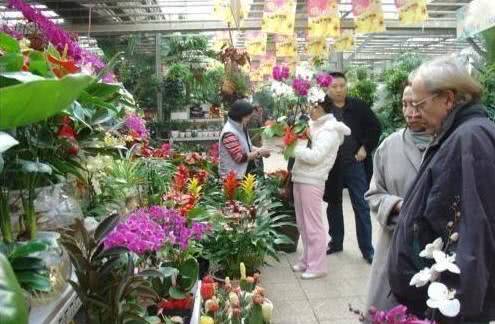
Nowadays many people like to grow flowers and plants, and I am no exception.
In the past I always bought flowers randomly, and they died within a couple of days of bringing them home, but the flowers I bought from the old flower grower would thrive. From then on I only buy flowers from the old flower grower. After we got to know each other over time, the old flower grower answered the questions in my mind. It turns out there are so many "traps" in the flower and bird market; no wonder the flowers I bought died within a few days. Below, based on the experience the old flower grower passed on to me, I will teach everyone how to avoid the "traps" of the flower and bird market.
When buying flowers, first check the soil in the pot. If the soil is relatively fresh and loose, then touch the branches and stems of the flower. If the branches and stems are loose, it means this pot of flowers was newly potted and the roots have not yet taken hold firmly, so it is easy to kill them after buying them home. Therefore, it is not recommended to buy them, and especially for beginners, it is even less recommended to take the challenge. Second, do not buy ones with compacted soil either. Compacted soil has poor air permeability, has little nutrition, and easily accumulates water, causing the flowers' roots to rot, so it is best not to buy them.
Finally, do not buy those flowers that look especially gorgeous. The more delicate and drippingly beautiful the flowers, the more likely they have been treated with chemicals. Once you buy them home and stop using the chemicals, the flowers will quickly wither and die, so do not be fooled again. If you love growing flowers but have little experience with it, then come with the editor and take a look at which flowers are suitable for beginners. They can easily fill a pot without much care.
Pothos (Epipremnum aureum) has very low light requirements and is especially suitable for growing indoors. It has strong adaptability and easily fills a pot. Even if its roots rot, after cutting off the rotten roots and soaking it in water, it can still continue to grow, and it can absorb harmful substances such as formaldehyde and benzene. It is a natural air purifier.
Spider plant (Chlorophytum comosum) is also a very easy plant to grow and a common plant in homes. It is called the "fairy in the air". Even in winter it can keep its leaves emerald green and has a certain ornamental value. Spider plant can also absorb harmful substances such as nicotine. If someone in the family likes to smoke, placing a pot of spider plant is a good choice.
Peperomia (Peperomia obtusifolia) has small leaves, is fresh and natural, and the whole plant is green. Just looking at it is pleasing to the eye. It is a very good home decoration, and peperomia also has a very good effect in absorbing toxic substances and purifying the air.
Pennywort (Hydrocotyle vulgaris) has extremely vigorous vitality and often fills a pot at the slightest provocation. Whether grown in soil or in water, its growth rate is very rapid. Its small leaves make people adore it, and pennywort is also a potted plant that can gather wealth.
Growing a little succulent in your spare time is also a kind of happiness. It is small and lovable, plump and chubby, and has extremely high ornamental value. If you want to move house, you can take it with you at any time. It has relatively strong drought tolerance, and it will not die immediately if you forget to water it. This is a beginner's favorite.
Reply "ebook" to get a professional flower-growing ebook!
Reply: plant name (such asMoney Tree): view the growing method