The most fragrant jasmine is ten times more fragrant than ordinary jasmine; a single plant perfumes a whole room, better than perfume
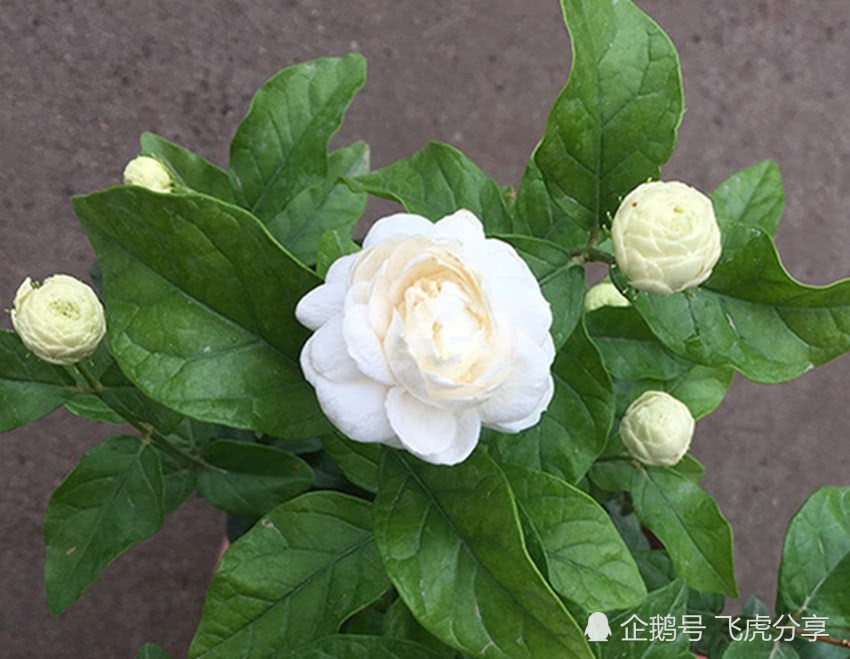
At present, there are more than 60 jasmine varieties in China, divided into single-petal jasmine, double-petal jasmine and multi-petal jasmine. Although they are all jasmine, their fragrances differ. The jasmine introduced to you today is the most fragrant variety among jasmines -- Tiger Head Jasmine.
The leaves are borne in whorls of three; the flower buds are flat and round, with a ring of floral filaments around the edge, and are pale yellow in color. When unopened, the fragrance is restrained; when fully open, the fragrance is rich; the strong scent fills the nose, and the color is white. The flowers are large, with an abundance of petals, and the largest flowers measure 5-8 cm. The flowering period of Tiger Head Jasmine is generally from April to October, but most of the flowers that bloom in April are abnormal, and they gradually become normal after the temperature rises in May.
Many people grow jasmine because they like its fragrance, and the fragrance of Tiger Head Jasmine surpasses perfume. Keep one pot indoors, and the whole house is filled with fragrance. Truly, flowers may bloom throughout the garden, yet none is as fragrant as jasmine. Jasmine is not only used for potted cultivation; its flowers, leaves and roots can all be used medicinally. It has pungent, sweet and cooling properties, clears heat and releases the exterior, and resolves dampness. The petals of jasmine can be dried to make jasmine tea. This tea is fragrant, and regular drinking can relieve nervous tension, remove bad breath, moisten the intestines and promote bowel movements, beautify the skin, and improve eyesight. Therefore, growing jasmine combines ornamental, medicinal and culinary uses, achieving two benefits at once.
The potting soil for growing jasmine should remain loose and breathable. The potting soil should not be too dry; do not wait until it is completely dry before watering. Water when it is half dry. Jasmine should generally be kept in a sunny and well-ventilated environment. As long as the pot does not accumulate water and the environment is well ventilated, it will grow very well. After flowering, about two leaf nodes should be retained on each new branch, and the branches above should be cut off. This helps produce more branches, and only new shoots can bloom at the tips of the buds. Pruning should be accompanied by fertilizing. Generally, applying a compound fertilizer once every half a month is appropriate, but it is better to apply light fertilizer than concentrated fertilizer.