Zinnias have a long blooming period and strong ornamental value; with proper disinfection when taking cuttings, they can fill a pot with blooms.
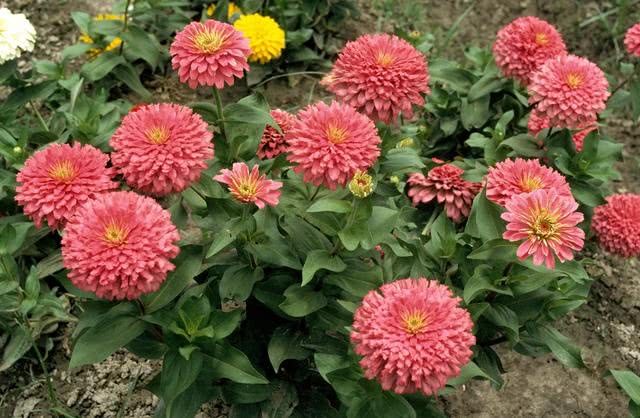
Zinnia is also known by the alias fireball flower. Its plant height is moderate; a typical mature zinnia usually stands around 50-80 cm tall. The flower buds have multiple layers of petals, and the leaf surface has a little fuzz. The edge of the flower color is black, while most of it is deep red or purplish red. Because its flowers are relatively large and its blooming period is long, both taller and shorter varieties are very suitable for planting in flower beds or growing as potted plants at home for ornamental display.
I. Cultivation of Zinnia
Seed and cutting propagation are common ways to cultivate zinnia. If seeds are used to grow zinnia, the growth cycle is relatively long, so using the cutting method is simpler to manage. From a robust zinnia plant, usually choose a side branch and cut off a stem for cutting, generally around 8 cm is ideal; the stem should also be required to retain about 3-5 buds, which helps with the cutting's survival rate.
In addition, during the cutting process, both the container and the potting soil need to be thoroughly disinfected, otherwise the stems are highly susceptible to bacterial infection. Usually about one week after the cuttings are inserted, they can quickly succeed in rooting. At this point, the management of the potted plant is still limited to watering, and it must not be exposed to too much sunlight for growth. Only after the seedlings have grown a certain number of leaves can the potted plant be placed in a suitable environment for management.
II. Care of Zinnia
1. Light requirements
Since zinnia is a sun-loving plant, good light conditions must be maintained for most of the plant's growth period, and the growing environment temperature should be kept within a suitable range as much as possible; in addition, zinnia is more suited to receiving diffused sunlight rather than direct sun, so potted plants are best placed in a shaded spot for growth. When necessary, the plant also needs appropriate shading to avoid strong direct sunlight causing leggy stems and yellowing leaves.
2. Water requirements
On the other hand, zinnia's drought tolerance is relatively poor, which also means the soil often needs to be kept in a relatively moist state, and there are certain requirements for daily watering of the plant; in general, in seasons other than summer, it is usual to keep the habit of watering about once every three days. In winter, this can be reduced according to the actual situation, while in summer the temperature is higher, so moisture in the plant evaporates faster, and basically it needs to be watered once every day, preferably in the early morning each day.
3. Fertilization requirements
After zinnia enters the seedling growth stage, it needs regular fertilization. Since the plant's growth changes seasonally, in other words, in different periods or seasons, zinnia's nutrient needs also differ greatly. In spring and summer, according to the actual situation, on average it is enough to apply fertilizer once about every 15 days; after entering winter, the plant's growth rate is relatively slow, so the amount of fertilizer should be greatly reduced. Generally, only one to two fertilizer applications are needed throughout the entire winter.