Master this knowledge before repotting your flowers, and they will be less likely to wilt
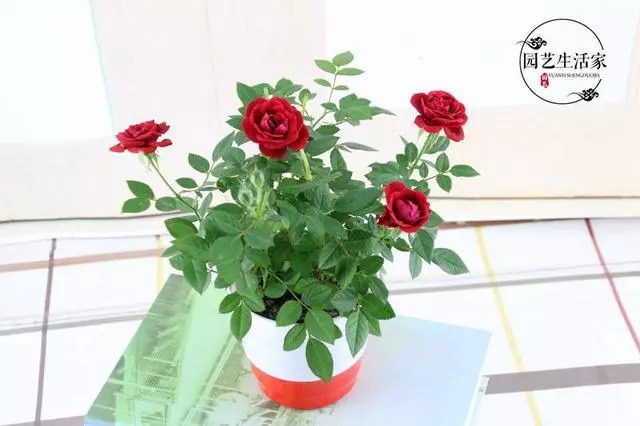
Experienced flower lovers all know the importance of repotting flowers. When growing flowers, everyone wants them to have lush branches and leaves and bloom abundantly, so every year you need to move them into a slightly larger pot and replace soil that has already lost its nutrients. Today I will share the precautions for repotting:
First, when you decide to repot a flower, stop watering 3-5 days in advance to let the soil become a bit drier, so that when repotting it is easier to separate the roots from the pot soil.
Second, when repotting, keep as much soil around the plant roots as possible and try to avoid bare roots; this is because transplanting with soil is easier to survive than transplanting bare-rooted.
Third, when repotting, if the original flower pot is a soft plastic pot (or a paper cup), it is recommended to cut it open, as doing so will not damage the plant roots. If it is a ceramic flower pot, you can first use a wooden or bamboo strip to separate the soil from the pot around the edges, and then separate the pot soil from the plant, reducing root damage.
Fourth, do not repot continuously within a short period. For ordinary plants, between two repottings there should be at least half a year or even longer; but for plants in the seedling stage, there are special circumstances. Depending on how the seedling is growing, once the seedling has grown a size larger, you can repot it, and this can be done frequently.
Fifth, the best season for repotting: it is most suitable in spring and autumn. It is most suitable during the plant's dormant period and early growth period. Repotting in these two stages has little impact on plant growth. It is least suitable during the plant's vigorous growth period, bud stage, full flowering stage and fruiting stage. Repotting during this period will at best affect growth and make it miss the growth period; or make a plant that should bloom miss its flowering period, and the consequences are very serious.
Sixth, for repotting newly bought plants, in general, as long as the flower pot is suitable, if you can avoid repotting it, then do not repot it; but if you feel the flower pot is unsuitable or the soil is unsuitable, you can absolutely repot it on the same day after buying it, and do not wait a few days before repotting, because this will involve the impact of disturbing the roots a second time and slowing down recovery. Waiting a few days before repotting,
doing so is not appropriate. However, this view is not necessarily always correct, and you still need to act according to the actual situation. For example, after some flowers are brought home, if they have not yet adapted to the home environment, the leaves are wilting, and the plant does not look vigorous, it is recommended to wait a while before repotting, and repot only after the flowers have adapted to the environment.