Put something on the surface of the potting soil to prevent root rot and let your flowers and plants grow into a full pot
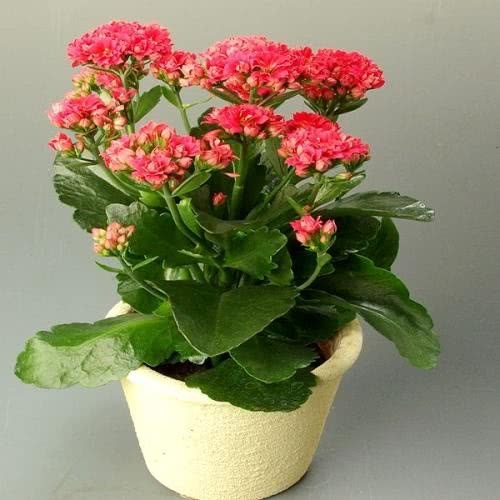
Usually when people grow flowers, they attach great importance to what goes at the bottom of the pot, since it keeps the potting soil loose and airy, but what goes on top of the potting soil is also very important. Only when you choose the right thing can your flowers avoid yellow leaves and root rot, and also grow more and more vigorously and bloom more.
1. Worm castings
Worm castings are rich yet mild in nutrients and do not harm roots, so they are very suitable for growing flowers. Worm castings are also a fairly common soil in our daily lives, usually seen on the lawns of residential communities. They are rich in nitrogen, phosphorus and potassium, humus, beneficial bacteria and more, with remarkable effects on flower growth. Spreading a layer on the surface of the potting soil lets the flowers grow faster and better.
Usually after rainy days, worm castings take shape, and once they clump without sticking they can be collected and used. Of course, if you do not want the trouble, you can also buy them directly on Taobao. Sprinkle the worm castings onto the surface of the potting soil, so that when we water the flowers as usual, the nutrients in them are carried into the soil for the flowers to absorb.
2. Pine needle soil
Pine needle soil is also rich in nutrients and is unlikely to cause root rot or soil compaction. In autumn, the ground of a pine forest is covered with pine needles; you can dig deeper, and those gray and blackened pine needles are naturally decomposed pine needle soil. Generally, after collecting pine needles and taking them home, first expose them to the blazing sun for a few days, which can disinfect and sterilize them and kill the insect eggs inside.
Spread on the surface of the potting soil, pine needle soil not only allows water and air through, but also raises humidity and helps regulate the soil pH to some extent, letting flowers grow vigorously without root rot. Pine needles can not only be spread on the surface of the potting soil, but can also be mixed into the soil with very good results.
3. Sheep manure pellets
What is very suitable for spreading on the pot surface is definitely sheep manure pellets. These are fairly common in rural areas. Fully weathered and decomposed sheep manure pellets in the wild have no odor and are rich in nutrients. Placed on the surface of the potting soil, they keep it loose and airy and can also release fertilizer slowly without harming roots.
Sheep manure pellets are fairly common in rural areas. If you have no way to collect them, you can also buy already fermented ones online, which is very convenient. With each watering, sheep manure pellets release nutrients to the flowers. Scattering a few on the pot surface basically means you do not need to fertilize much for a whole year.
4. Expanded clay pebbles or coal cinders
Expanded clay pebbles are already a star item for growing flowers. Many people know to use them at the bottom of the pot to prevent root rot, but they do not know that using them as a top dressing has many benefits too. They not only prevent root rot and pests, but also help increase humidity and air permeability, and are more suitable for large potted plants and succulents.
Expanded clay pebbles are loose in texture and have many gaps, so they can absorb excess water in the pot, thereby preventing root rot and increasing humidity.