The rain lily has beautiful flowers; keep one pot at home and it can fill the pot with blooms in just 1 year.
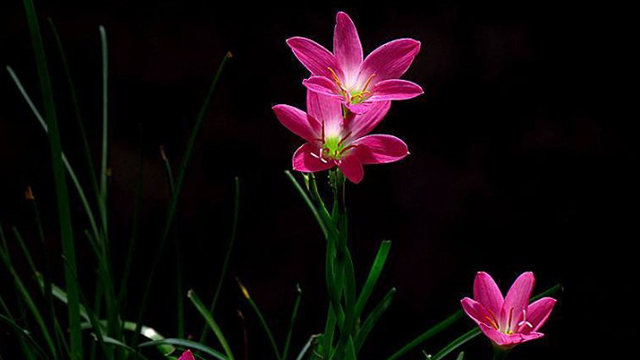
I wonder if everyone has heard of the plant rain lily (Zephyranthes)? The rain lily is also called the autumn zephyr lily, because the shape of its leaves looks a bit similar to chives. Now that I mention it, do you have some impression of it? Many people do not know how to grow rain lilies, so today Huahua will talk about what needs attention in the usual care of rain lilies.
Ample light
The rain lily is a plant that relatively likes light, and it is fairly tolerant of high temperatures. The environment suitable for its growth is between 22-30 degrees. When choosing where to grow it, we must pay attention to the placement; it must be in a spot facing the sun. Places at home like the north side are best not used for growing it. Be sure to grow it according to the actual conditions.
Sandy soil
To grow rain lilies well, soil is of course the first step, so when choosing soil we should choose sandy soil for rain lilies. This kind of soil has fairly good air permeability and water permeability, and is very suitable for the growth of rain lilies.
Watering
Part of the reason the rain lily is called the rain lily is related to its own ability to resist the environment. When growing it, we do not need to treat it as a "flower of the greenhouse", but we should not let wind and rain recklessly batter it either; reasonable care is enough. The rain lily's moisture supply must be kept up. The rain lily likes a relatively moist environment, so pay attention to watering it regularly. When you have time, you can also use a small spray bottle to mist the rain lily to keep the flowers and leaves moist.
Fertilizing
When fertilizing rain lilies, you can choose some organic fertilizers, and you can also choose some compound fertilizers, such as nitrogen-phosphorus-potassium fertilizers and the like. The frequency of fertilizing does not need to be too high. Generally speaking, fertilizing once every two or three months is enough. Organic fertilizer can ensure the nutrients for the rain lily's growth, and compound fertilizer can make the plant grow fast and strong. Both play a big role.
Huahua has finished introducing the growing methods for rain lilies. Also, if you want rain lilies to become more lush and bloom so much that they fill the pot, you can use the division method to propagate rain lilies. Compared with planting bulbs, the division method is much simpler and easier to get the hang of. I hope everyone can succeed in propagating them.
There are now many types of rain lilies on the market. Besides the most basic colors of pink and light pink, there are also more colorful varieties for everyone to grow. If you like rain lilies, why not try planting a pot at home!