10 flower varieties suitable for autumn sowing to create your own elegant garden
If you had a beautiful garden planted with flowers of every color, running barefoot through it, reading, browsing the newspaper, drinking tea - who wouldn't want such a relaxing life!
Below, the editor introduces some flower varieties for autumn sowing that, after conserving their strength through winter, bloom beautifully in the following spring, summer or autumn.
Trailing lobelia
Also known as trailing Lobelia erinus, native to South Africa. Its flower meanings include "pitiful" and "sympathy". Its natural flowering season is summer to autumn. It takes 14-16 weeks from sowing to flowering. Sowing requirements: cold-hardy varieties are sown in autumn in September-October; use a mixed substrate of leaf mold, potting soil and fine sand; each gram contains 24,000 seeds; the seeds are tiny and light-loving, so there is no need to cover them with soil after sowing; the optimum germination temperature is 18°C-21°C, and they germinate 2-3 weeks after sowing. Seedling management: transplant once when the seedlings have 2-3 true leaves, and plant out or pot up when they have 6-7 leaves. For pot cultivation use a 200px-10 pot, and for hanging basket cultivation use a 10-375px pot, planting 3 seedlings per pot. Use a mixed soil of fertile garden soil and peat soil for the pot. During the growing period keep the pot soil moist, preventing it from becoming too wet or drying out. Fertilize once every half month.
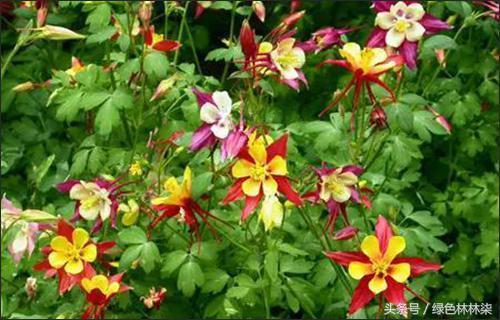
Columbine
Also known as columbine flower, its natural flowering season is late spring to midsummer. It takes 5-6 months from sowing to flowering. Sowing requirements: sow in autumn in September-October, or sow immediately after the seeds mature; the optimum germination temperature is 18°C-21°C; germination occurs 5-4 days after sowing, germination is uneven, and too high a temperature prevents germination. Seedlings sown from seed flower the following year. Seedling management: after one transplanting of the sown seedlings, when the seedlings are 200px-10 tall, pot them into 375px-450px pots. Use a mixed soil of leaf mold, potting soil and coarse sand for the pot. It is sensitive to moisture; during the growing period keep the soil moist and the air humidity relatively high, and shade it in summer. Fertilize once a month during the growing period.
Snapdragon
Also known as dragon's-head flower, native to the Mediterranean region. Those currently sold on the market are all hybrid-bred cultivars. Its natural flowering season is summer to autumn. It takes 21-22 weeks from sowing to flowering. Sowing requirements: in areas south of the Yangtze River sow in September-October; use a mixed substrate of leaf mold, potting soil and fine sand; it is light-loving, so broadcast the seeds and do not cover them after sowing; the optimum germination temperature is 21°C, and they germinate 1 week after sowing. Seedling management: the optimum growing temperature for the seedlings is 10°C-16°C; after 6 weeks plant into 250px pots, using a mixed soil of fertile garden soil, peat soil and sand for the pot. Fertilize once every half month during the growing period.
Petunia
Also known as Petunia hybrida. Its flower meanings include "I feel at ease when you are here", "of one heart with you" and "I feel warm when you are here". Those currently sold on the market are all hybrid-bred cultivars. Its natural flowering season is summer to autumn. It takes 11-12 weeks from sowing to flowering, 1315 weeks for double-flowered types, and 9-12 weeks for trailing types.
Sowing requirements: adjust the sowing time according to the desired flowering time; autumn sowing is often used for flower viewing in winter or early spring. Pot sowing is usually used; use a mixed substrate of leaf mold, potting soil and fine sand; the seeds are tiny, so do not cover them after sowing, just press lightly; the optimum germination temperature is 13°C-18°C, and germination occurs in about 10 days. Seedling management: when the seedlings have 5-6 true leaves, plant into a 10 pot or a 300px-375px hanging pot. The optimum growing temperature for the seedlings is 12°C-15°C. Use a mixed soil of fertile garden soil, peat soil and sand for the pot. It likes dryness and fears dampness; during the growing period it needs sufficient water, and in summer's high temperatures keep the pot soil moist. If the pot soil is too wet, the stems and leaves tend to grow leggy. Fertilize once every half month during the growing period.
Verbena
Also known as herb five-color plum, the original species is native to Brazil and Peru in South America. Its flower meanings include "harmony and joy", "united effort" and "harmony in the family brings prosperity in all things". Its natural flowering season is summer to autumn. It takes 12-14 weeks from sowing to flowering; trailing cultivation takes 15-18 weeks. Sowing requirements: sow indoors in pots in autumn; use a mixed substrate of leaf mold, potting soil and fine sand; each gram contains 350-400 seeds; do not cover with soil after sowing, but scatter a thin layer of vermiculite powder, which both keeps in warmth and lets light through; the optimum germination temperature is 18°C-21°C, and germination occurs in about 2-3 weeks. Seedling management: when the seedlings are 175px-200px tall, plant them out into 300px-375px pots, 3 seedlings per pot; for hanging pot cultivation use 500px-625px pots, 5 seedlings per pot, using a mixed soil of fertile garden soil, leaf mold or peat soil, and river sand for the pot. During the growing period it is rather sensitive to moisture, fearing both drought and waterlogging; during the seedling stage the pot soil must stay moist, which helps the seedlings grow; once the plants are established their drought tolerance increases, and if the temperature is high they should be watered thoroughly, while at ordinary times watering should be moderate. Fertilize once every half month during the growing period. Special note: verbena comes in two types, upright and trailing, and you must be sure which one it is when buying. In addition, among the cultivars, those with strong branching do not need pinching back.
Ivy geranium
Also known as shield-leaved geranium, native to southern Africa. Its flower meanings include "newlywed love" and "true love". Its natural flowering season is spring and autumn. It takes 1722 weeks from sowing to flowering. Sowing requirements: sow indoors in pots in October-November; use a mixed soil of leaf mold, potting soil and river sand; each gram contains 150-180 seeds; the seeds are light-shy, so cover them with a shallow layer of soil after sowing; the optimum germination temperature is 18°C-21°C, and germination occurs 1-3 weeks after sowing. Seedling management: for hanging pot cultivation use 500px-750px pots; plant 1 seedling per 500px pot and 3 seedlings per 750px pot. Use a mixed soil of fertile garden soil, leaf mold or peat soil and vermiculite for the pot. During the growing period keep the pot soil moist; in the high temperatures of midsummer strictly control watering, otherwise the pot soil becomes too wet and the leaves often turn yellow and drop. When the plant enters a semi-dormant state, reduce the amount of watering and follow the principle of "water only when dry".
Dianthus
Also known as Chinese dianthus, native to China. In China its flower meanings include "glory", "joy", "loneliness" and "solitude". In England its flower meanings include "rising in the world" and "great ambition". Its natural flowering season is summer. It takes 1617 weeks from sowing to flowering. Sowing requirements: sow in the open ground in September-October or indoors in pots; use a mixed soil of leaf mold, potting soil and river sand; each gram contains 800-850 seeds; the seeds are light-shy, so cover them with 5mm of soil after sowing; the optimum germination temperature is 21°C. Germination occurs 1-2 weeks after sowing. Seedling management: autumn-sown seedlings are transplanted in November into 250px-300px pots. Use a mixed soil of leaf mold or peat soil and garden soil for the pot. Keep the pot soil moist and avoid waterlogging. Fertilize once a month during the growing period, using diluted cake fertilizer water, or "Huiyou" 20-20-20 general-purpose fertilizer. Recommended varieties: dianthus flower colors include pink, white, red, purple and bicolor, often with purple flower eyes and markings. Among them, the dwarf, heat-resistant varieties include the 'Meteor', 'Ideal' and 'Princess' series; the large-flowered varieties include the 'Parfait' series, with a plant height of 375px-500px, a flower diameter of 125px, and colored eyes. Special note: the optimum growing temperature for winter seedlings is 7°C-13°C.
Daisy
Also known as longevity chrysanthemum, native to Europe and Turkey. Its flower meaning is "innocence and flawlessness". The daisy has many interesting elegant names in Europe: England calls it "day's eye", France calls it "the little flower of Easter", Germany calls it "the love tester", and the Netherlands calls it "measured love". Its natural flowering season is late winter to late summer. It takes 12-14 weeks from sowing to flowering. Sowing requirements: sow in September-October, in rows in the open ground or indoors in pots; use a mixed soil of leaf mold, potting soil and river sand; each gram contains 2300-3000 seeds; the seeds are light-loving, so there is no need to cover them with soil after sowing. The optimum germination temperature is 10°C-13°C, and germination occurs 1-2 weeks after sowing, so thin the seedlings in time. Seedling management: when the seedlings have 2-3 true leaves, transplant once to encourage new roots to grow, and when they have 4-5 true leaves plant into 12 cm-375px pots. Use a mixed soil of leaf mold, potting soil and coarse sand for the pot. During the growing period keep the pot soil moist, and water immediately when the surface soil dries out.
Polyanthus primrose
Also known as Western primrose. Its flower meanings include "hope", "youth", "wealth and honor", "first love", "self-invited affection" and "mysterious mood". Its natural flowering season is late winter to spring. It takes 16 22 weeks from sowing to flowering. Sowing requirements: sow indoors in pots in September-October; use a mixed soil of leaf mold, potting soil and river sand. Each gram contains about 1500 seeds; the seeds are tiny, light-loving, and short-lived, so there is no need to cover them with soil after sowing. The optimum germination temperature is 15°C-20°C, and germination occurs in about 1 week; if the seedlings come up too densely, thin them in time. Seedling management: transplant once when the seedlings have 2 true leaves, and when the seedlings have 6-7 true leaves plant into 10-300px pots; when planting, the root crown should be exposed above the soil surface. Use a mixed soil of peat soil, fertile garden soil and sand for the pot. During the growing period it needs plenty of water, but the leaves must not be wetted, otherwise it easily becomes infected with disease.
Phlox
Also known as herb oleander, native to the United States. Its flower meanings include "blessing, wealth and longevity", "unanimity", "agreement" and "gentleness". Its natural flowering season is late spring to summer. It takes 14-16 weeks from sowing to flowering. Sowing requirements: sow in rows in the open ground or indoors in pots in October-November; use a mixed soil of leaf mold, potting soil and river sand; each gram contains 450520 seeds; the seeds are light-shy, so cover them with 3mm of soil after sowing and then cover with black film. The optimum germination temperature is 13°C-18°C, and germination occurs 2 weeks after sowing, with a germination rate of about 80%. Seedling management: when the seedlings have 3-4 true leaves, plant into a 10 pot; the seedlings do not tolerate transplanting, so transplant early and with plenty of soil around the roots. Use a mixed soil of peat soil, potting soil and coarse sand for the pot. During the growing period keep the pot soil moist, and water promptly when the pot soil surface is slightly dry.