Don't use these 3 kinds of water for watering flowers in autumn, or the flowers will be watered to death
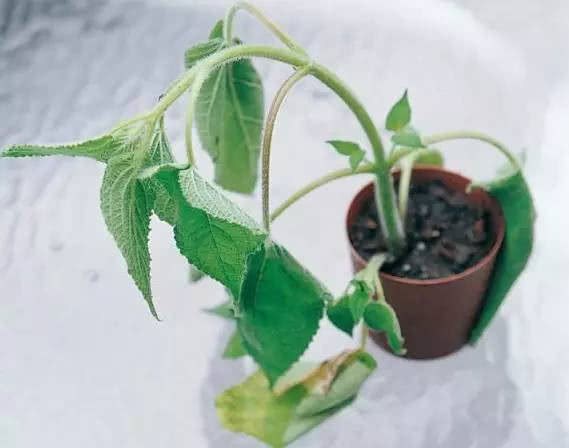
The autumn wind blows chilly, which means the sweltering summer has completely left us. In summer, I believe many flower lovers' plants and flowers suffered from the torment of high temperatures, but now it is autumn, the weather is cool, and it is time to give the plants at home a good tidy-up, so that they can grow more and more vigorously!
Speaking of tidying up, generally we start by changing our daily care methods, and especially watering becomes quite important at this time. Watering has always been the top priority in growing flowers, and many flower lovers have also started looking for good "nutrient water" to water their beloved flowers at home, but here Huahua must remind everyone that these 3 kinds of water must never be used in autumn. Once too much is poured, the flowers and plants at home may "breathe their last".
1. Rice water
Rice water is a good thing, and generally no one is willing to pour it away. Whether used for washing vegetables or washing hair, it is very useful. Nowadays many people also use rice water to water flowers. It is not that rice water cannot be used to water flowers, but it cannot be poured directly; it must be fermented, otherwise the various elements in the rice water may burn the flower roots, and then the loss will outweigh the gain. So exactly how should rice water be fermented?
The fermentation steps for rice water are actually very simple. First we need to pour the rice water to be used into an airtight container, about eighty percent full is enough. The next step is to place the filled rice water in a cool, shaded place to ferment for about half a month. Finally, when using rice water to water flowers, remember to add some clean water to dilute it, so that the rice water's effect will be better, and naturally the plants will grow more vigorously.
2. Watering flowers with tap water
The tap water here refers to the water we take directly from the faucet at home. Generally, the water from the household faucet contains impurities and bleaching powder, and the temperature of tap water is much lower than the soil in the flowerpot. If tap water is used frequently for watering, the plant's root system may rot, and once the plant's root system rots, it will be very difficult to grow it well.
At this time we can let the tap water sit for two days. After two days, the impurities in the tap water will slowly disperse, and the temperature will also rise quite a bit. Use the treated tap water to water flowers, and the flowers will grow faster during their growth period!
3. Watering flowers with expired milk
Generally, the bagged pure milk we drink at home has a very short shelf life, and it may expire accidentally. At this time, many people will use the expired milk to water flowers. Because milk contains a large amount of protein, it just happens to meet the nutrient needs of flowers and plants during growth. However, milk also must be fermented and diluted before it can be used.
The fermentation steps are the same as for rice water: first put the milk into an airtight container, then ferment it for half a month, and after fermentation is complete add some water to dilute it before using it on flowers and plants. In this way, the large amount of nutrients in the milk will completely penetrate into the soil.
If you want to water flowers in autumn, then the above 3 kinds of water are best fermented before being used on plants. First, the nutrients can be released more completely; second, the plants will grow more luxuriantly. If you have any better recommendations for flower-watering water, leave a message for Huahua!