When the potting soil hardens, don't just water it - repotting the plant is the right solution
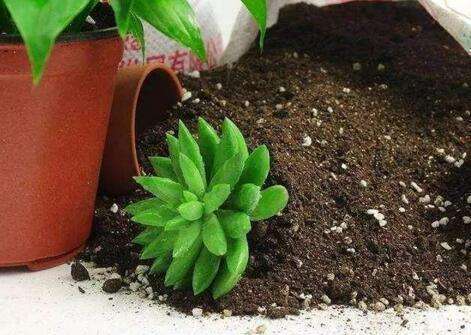
Whether you are a beginner or an expert at growing plants, on the journey of gardening you will more or less run into this situation: the soil for planting flowers starts out fairly loose and absorbs water well, but later, when you water, the water seeps down rather slowly.
This is something every plant grower goes through - it means the soil has become compacted.
Soil compaction is very harmful, so let Huahua tell you about it. What the soil wraps around is the plant's roots. If the soil becomes compacted, so that it cannot absorb water and nutrients, then the plant's roots cannot absorb water and nutrients either. Over time, the plant's roots will become dry and withered from lack of water and nutrients. Of course, the plant's roots and stems will also cause the plant to dry up and its leaves to turn yellow because of insufficient water and nutrients, and the final result is the death of the plant.
So when we discover that the soil has become compacted, we must remember to deal with it in time. So how should it be handled?
The first thing many friends think of is watering to make the soil a little softer, or taking a small trowel and breaking the soil up. Huahua reminds everyone here that this approach is absolutely not acceptable. Why? Because after the soil is compacted it becomes a little hard, and when we dig with a trowel it is very easy to use more force; not knowing where the roots are, we can easily damage the plant's roots while digging away. So this approach is not advisable.
Surely someone will say, then watering should be fine, right? In fact, watering more will not necessarily make the soil soft, because the soil has already become compacted, and its ability to absorb water will not be very strong either. You could say that watering more is equivalent to wasted effort.
So what is the correct thing to do? That is: repot!
When the soil has become compacted, we can only repot the plant, and by this time the plant has actually been grown for quite a long time, so it is time for a repot. Generally, when repotting, choose a suitable temperature and a suitable environment; there is no need to be too particular - just comfortable is fine.
What you need to pay attention to is to handle it gently, because the plant's roots are connected to the soil, and a moment's carelessness can very likely tear the plant's roots and damage them, so everyone must be careful. After we separate the soil from the plant's roots, take the opportunity to check whether the plant's roots are all healthy, and use a small pair of scissors to trim away the roots that have aged and rotted, so that after the plant is repotted it will grow even more vigorously!
That's the end of today's little science lesson from Huahua! About soil compaction, and what to do after the soil becomes compacted - all of this content is included in the article, so friends who are interested can read it a few more times!