Cilantro grows slowly? Use this little trick and you'll be eating green, lush cilantro in just over a month
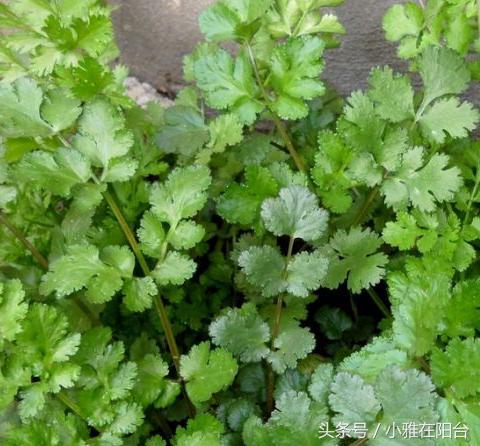
People who love growing flowers and vegetables will think about whether the plants and vegetables they grow are doing well even when they go out. Xiaoya thinks that growing a few pots of vegetables at home with your own hands not only beautifies the home environment and makes the balcony look green and lush, but also makes you feel great. Cilantro is getting more and more expensive. If you enjoy growing vegetables, why not grow a few pots of cilantro on your balcony yourself? It's simple and convenient. All you need is an empty flower pot at home.
Grow some cilantro and scallions on the balcony. Even without a flower pot, you can use an empty oil drum or a mineral water bottle. Cilantro is not delicate at all, and its distinctive fragrance makes it less prone to bugs, with very few pests and diseases, making it easy to care for. Pick some each time you cook, and it's truly delicious and convenient. After the Start of Autumn is the best time to grow cilantro.
Cilantro grows slowly when planted, try this little trick and you can eat it in just over a month, green and truly thriving
When growing cilantro, you must pay attention to the season. Generally, summer temperatures are too high and hot and stuffy, making it unsuitable for growing cilantro. So after August, September is the most suitable time to grow cilantro. Cilantro sown at this time can grow relatively quickly, whether in a vegetable garden or on your own balcony.
The planting method is to sow directly, but before sowing, the seeds need to be treated. This treatment is very simple but also very crucial, and that is shell-breaking treatment. Cilantro seeds are round, so you must step on them to break the shell, or use a rolling pin, glass bottle, etc. to press them into two halves, and then sow them, so they can sprout as early as possible, sprout quickly, and grow quickly.
There is another trick: soak the seeds in water, then put them in the refrigerator at around 3 to 4 degrees. After a day, take them out and plant them, and they will sprout more easily.
When sowing, you can plant them a bit densely, because you can eat them while thinning them out. You eat the front ones while the back ones are still growing, ensuring yield without affecting the growth of the cilantro.
When sowing, you also need to pay attention: prepare a flower pot with a larger diameter, such as a long trough planter, or one with a diameter greater than 30 cm. This way you can sow more, and there will be more soil with rich nutrients. When sowing, the seeds should not be planted too deep; covering with 1 cm of soil is enough. Too thick a soil cover will affect germination and growth.
Then water thoroughly, and cover the soil with a layer of straw or dry grass to maintain soil moisture and provide shade. The seedlings will come up especially neatly and in great numbers.
The soil must be fertile soil rich in humus, and it must be loose, without too many large stones, and not too compacted. Adding some peat soil or leaf mold is good. This way the cilantro can grow quickly and large.
After the cilantro sprouts, do not water too frequently; it is enough if the potting soil has a little moisture. When the seedlings grow to three or four leaves, you need to supplement with fertilizer water. Give them more sun. Some decomposed cake fertilizer water, sesame residue water, or manure water, watered once a week. The cilantro will grow especially lush, with abundant branches and leaves.
The growth cycle of cilantro is about one month, and more than 50 days after sowing, it can be harvested and served on the table to eat.