These 5 indoor plants purify the air and can also relieve pet allergy symptoms
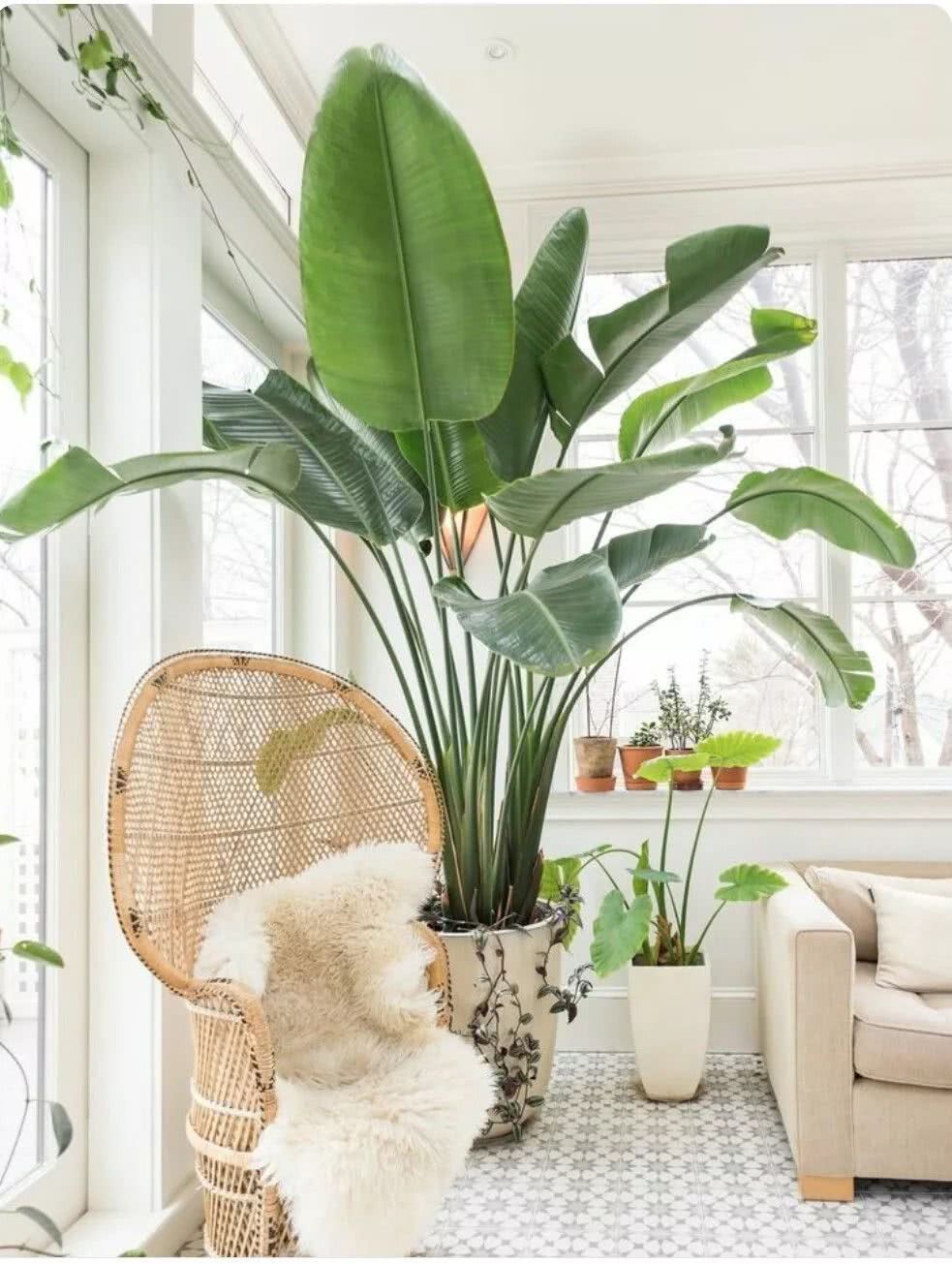
Many people love pets but are allergic to pet dander, so how do you solve that? Actually, we can keep some air-purifying plants at home. They can not only effectively improve indoor air quality, but also relieve pet allergy symptoms, and can also prevent some conditions caused by indoor pollutants, such as headaches, itchy eyes, nausea and a runny nose.
The following indoor potted plants can purify the air and reduce the unpleasant symptoms caused by harmful gases such as formaldehyde, benzene and ammonia. They can also maintain a certain level of air humidity and relieve the condition of allergy sufferers.
1. Areca palm: a natural humidifier
The areca palm can add a tropical touch to the home, and it also has a natural humidifying effect. It can maintain a certain level of air humidity, prevent moisture in the air from evaporating too quickly, and can effectively improve allergy symptoms such as a stuffy nose.
Maintaining a certain level of air humidity can also make people feel more comfortable. When growing areca palms, keep them in bright, indirect light. During the growing season, water regularly; when the soil about 3 cm below the surface is dry, water thoroughly. Avoid keeping the soil constantly wet, and never let water accumulate in the pot. Protect it from freezing, and keep the minimum care temperature above 5°C.
2. Broadleaf lady palm: purifies ammonia
Broadleaf lady palm is suitable for growing at the front of a yard or in a flower pot. It likes a consistently warm, humid environment. The growing soil should be loose, breathable and well-draining. Avoid waterlogged soil. During the growing season, you can keep the soil slightly moist, but it must not be overly wet. You can grow it in a spot with bright, indirect light, and avoid excessive direct sun.
3. Pothos: removes formaldehyde
If you are allergic to pets, you can keep a few pots of pothos. They can also control the formaldehyde level in the air. If it is a new house, you should place even more pots of pothos at home, preferably on a windowsill with suitable bright, indirect light.
When caring for pothos, pay attention to watering it regularly and keeping the soil moist. If it is grown in a shaded spot, you can wait until the soil is completely dry and then water thoroughly. Clean the leaves regularly to avoid too much dust on them, otherwise it will affect the air-purifying effect.
4. African daisy: lowers benzene levels
African daisy can effectively control the benzene level in the air. Benzene is generally produced by plastic fertilizers, detergents and pesticides. It is also present in tobacco, glue, paint, car exhaust and furniture. If ventilation is poor, benzene levels can easily affect people's health.
African daisy is suitable for growing on an east- or south-facing windowsill with plenty of sunlight. During the growing season, you can wait until the soil is completely dry and then water thoroughly. Avoid frequent watering, which can cause root and stem rot.
5. Dragon tree: absorbs allergens
The dragon tree is an ideal indoor potted plant. It can effectively trap allergens on its leaves.
There are different varieties of dragon tree. If you prefer one with better ornamental value, you can choose the rainbow dragon tree. It likes more light and can also grow well in a bright spot. It does not have high water needs; you can wait until the soil has been completely dry for a few days and then water thoroughly. If its leaves droop, that means it is time to water.