3 kinds of flowers propagated by cuttings in sponge, white roots sprout in 7 days, 1 pot becomes 100 pots
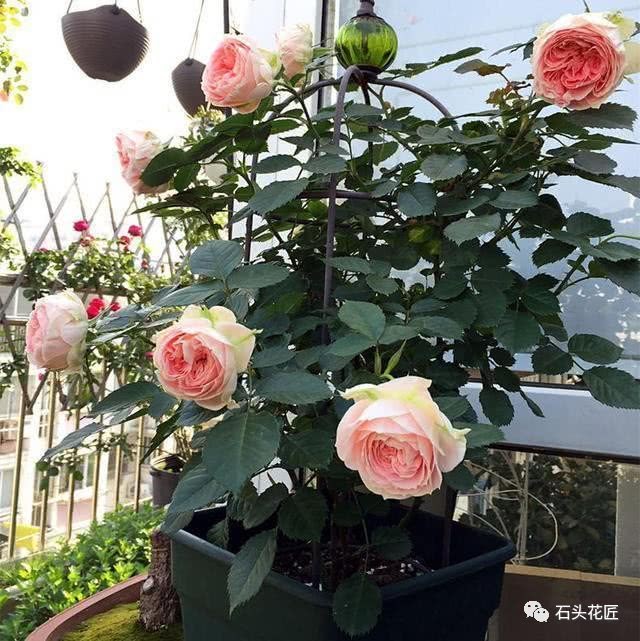
As people's living standards improve and rise, more and more people are paying attention to healthy living and good health, so many people keep some green potted plants at home to purify the air and beautify the environment, which is good for the health of their families.
Of course, when you have many flowering potted plants at home, you also need to spend more energy caring for them, and the grower needs to build up some small tips and experience in growing flowers. Plant cuttings are a common way to propagate many flowers. Common household flowers such as pothos, Chinese rose, gardenia, jasmine, and corn plant are generally propagated by cuttings, so today I will share small cutting tips for 3 common plants: Chinese rose, gardenia, and the ones encountered in the trade.
Chinese rose
Chinese roses bloom very beautifully, and their main propagation methods are two: cuttings and grafting, but grafting propagation generally has a certain degree of technical difficulty, so cuttings are the easiest way, yet many flower lovers also easily fail when taking Chinese rose cuttings.
Efficient Chinese rose cuttings
Cut 5-8 cm current-year Chinese rose branches, leaving only two leaf buds on the branch, one keeping its leaf and one with the leaf trimmed off, for growing roots. Soak the trimmed Chinese rose branches in a 0.2% rooting powder water solution for ten minutes, then take them out.
Prepare 1 small piece of sponge, then poke a small hole in the middle, insert the base of the cut Chinese rose branch directly into the sponge, and place the sponge in a shallow basin with water for care. Normally, the Chinese rose branch will grow roots in 1 week. Taking Chinese rose cuttings in sponge this way can control the water amount, and without attack from microorganisms in the soil, the Chinese rose branches will not develop black rot, so you can carry out large-scale propagation of Chinese roses. Generally, this method can be used to propagate Chinese roses in large quantities.
Gardenia
Gardenia is widely popular and loved because it has emerald green leaves and pure white flowers, and when it blooms it is very fragrant. Generally, gardenia is propagated by cuttings, but many flower lovers easily fail when taking gardenia cuttings.
Efficient gardenia cuttings
Cut current-year gardenia branches, generally 5-10 cm in length is enough, trim off the lower leaves and keep only a few leaves at the top, which can effectively reduce the plant's nutrient consumption. Then insert the base of the gardenia branch into a prepared sponge block, and bury the sponge block directly in sterilized sandy soil. The sponge wraps around the gardenia branch, can control moisture, and is breathable, so new roots can grow within a week, and the propagation efficiency and success rate are very high.
Dieffenbachia
Dieffenbachia has colorful leaves and is very attractive. Household care generally uses cutting propagation and division propagation.
Efficient Dieffenbachia cuttings
Generally, cut healthy current-year small branches from a potted Dieffenbachia, trim off the old leaves, soak the branches in a 0.2% rooting powder water solution for 5 minutes and take them out, then insert the branches into a prepared sponge block, put the sponge block in a plastic cup or small plastic bowl, add clean water, and place it on an indoor balcony for care. The branches can grow new roots within ten days, and after another week of care, they can be transplanted into a flowerpot.
Growing flowers is also a field of knowledge. You need to learn all kinds of small tips and tricks to grow the flowers at home densely and emerald green. The method shared today of using sponge to take plant cuttings is also a small trick discovered by flower lovers in their daily flower care.
If you find it useful, please like it below, follow, and forward it to more friends!
I am [Stone Gardener], and I share small flower-growing knowledge every day. Remember to follow me.