Clivia and Christmas cactus love homemade acidic water; water once every two weeks in autumn for green leaves and abundant blooms
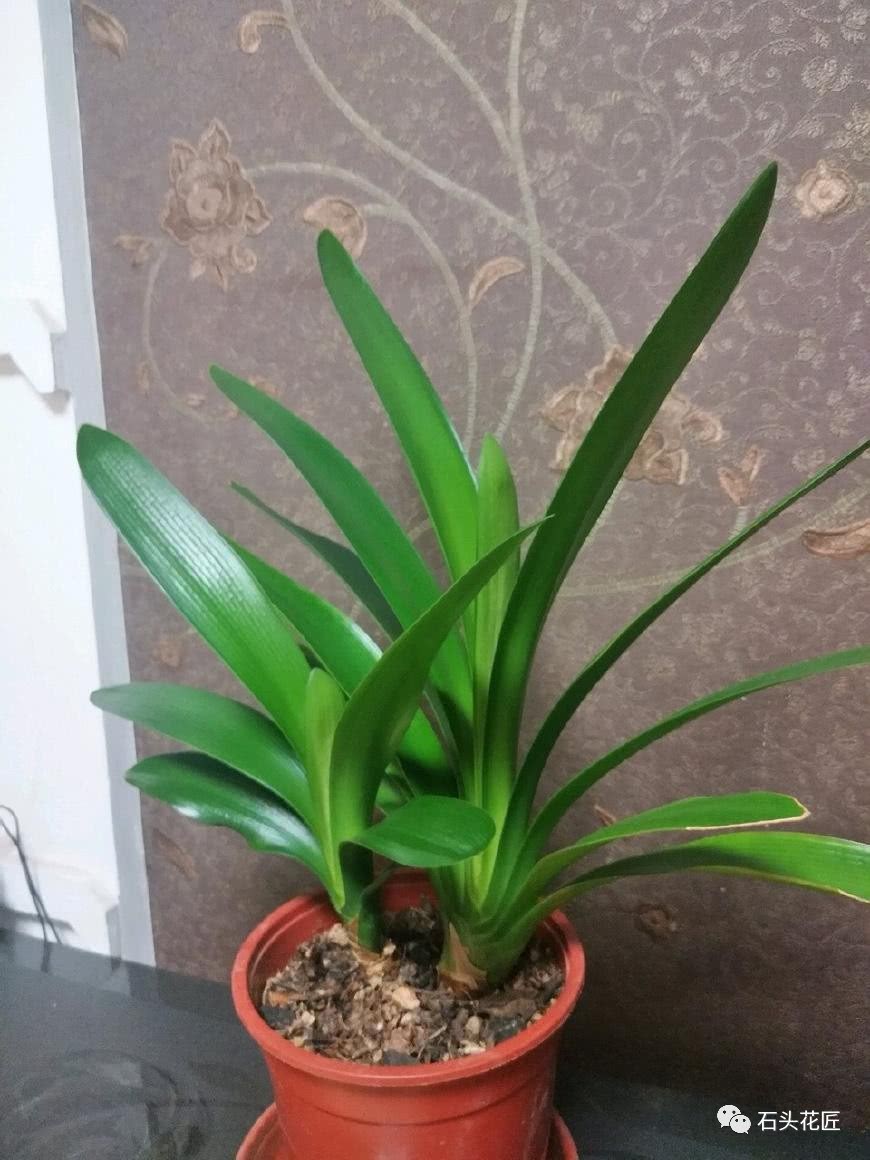
The hot summer has finally passed, and the cool autumn has arrived. Autumn temperatures are suitable for the growth of flowers, especially some plants that go dormant in summer, such as clivia, Christmas cactus, and succulents. In the high-temperature weather of summer, they all enter a brief dormant state.
Therefore, after entering autumn, for these plants that have awakened from dormancy, they need to be given fertilizer and careful care so that the plants can grow robustly. For plants that bloom in winter, such as clivia and Christmas cactus, reasonable and correct care in autumn is even more necessary.
Make homemade organic fertilizer for clivia and Christmas cactus to adjust soil pH and supplement nutrients
Clivia and Christmas cactus like to grow in slightly acidic, fertile soil, so in autumn they need to be given some organic fertilizer. You can chop up orange peels, tangerine peels, and banana peels from home, put them into a plastic bucket, add clean water, seal the lid, and place it in a cool outdoor spot to ferment. After fermentation, the aqueous solution is acidic and rich in nitrogen, phosphorus, potassium, and other trace elements. Once added to the flower pots of clivia and Christmas cactus, it can provide abundant nutrients for plant growth.
Mix the fermented aqueous solution with clean water at a ratio of 1:20, mix evenly, and pour it directly into the soil of clivia and Christmas cactus. This can adjust the soil pH and turn the plant's growing environment into slightly acidic soil. Moreover, the nitrogen, phosphorus, potassium, and trace elements in the organic fertilizer can provide nutrients for plant growth and help clivia and Christmas cactus grow emerald green leaves.
Warm tips
When fermenting the orange peel aqueous solution, be sure to use the fertilizer only after it has fermented fully. Generally, in autumn, leave it outdoors to ferment for two weeks. When you see foam forming at the bottle opening, it means fermentation is sufficient. When using it, be sure to dilute it with water at a ratio of 1:20 before use; otherwise, the fertilizer effect is too strong and can easily burn the plant roots.
When growing clivia and Christmas cactus in autumn, in addition to adjusting soil pH and supplementing nutrients for the plants, for care it is best to place potted Christmas cactus and clivia indoors in a ventilated spot with scattered light. If conditions allow, they can also be placed directly outdoors for open-air growing, which can speed up plant growth.
Before winter arrives, Christmas cactus and clivia need to be given phosphorus and potassium fertilizer, which can effectively promote flower bud development. Spray the plant leaves with a 0.2% potassium dihydrogen phosphate aqueous solution once a week, and spraying continuously four times is enough.
Of course, fully fermented orange peel organic fertilizer can also be diluted with water and used for other potted flowers, such as common household plants like pothos, spider plant, orchid, kalanchoe, and amaryllis.
Regarding these small care tips for clivia and Christmas cactus, if you find them useful, please like below, follow, and forward to more friends!
I am [Stone Gardener], and I share small flower-growing tips every day. Remember to follow me.