6 flowers that love to "eat soil" - in autumn, their roots need repotting like this, otherwise winter will be hard to get through
6 flowers that love to "eat soil" - in autumn, their "roots" need repotting like this, otherwise winter will be hard to get through
More and more people love growing flowers, and many keep some green potted plants at home or in the office to make their living environment full of life. But when growing flowers and plants, you also have to constantly care for them - watering, fertilizing, pruning, repotting and changing the soil. Only with proper care will the plants grow strong and produce beautiful flowers.
Take the 6 common plants shared today - they have very abundant, sturdy fleshy roots and love to "eat soil". Generally, when grown in pots they need their soil changed once a year, otherwise the plant's entire root system will fill the pot, the roots won't be able to absorb nutrients, and the plant will grow slowly with yellowing leaves. Once winter arrives, it is a test for many plants. So before winter sets in, you need to make sure the plants can absorb sufficient nutrients, and in autumn you should repot and change the soil for the following 6 flowers.
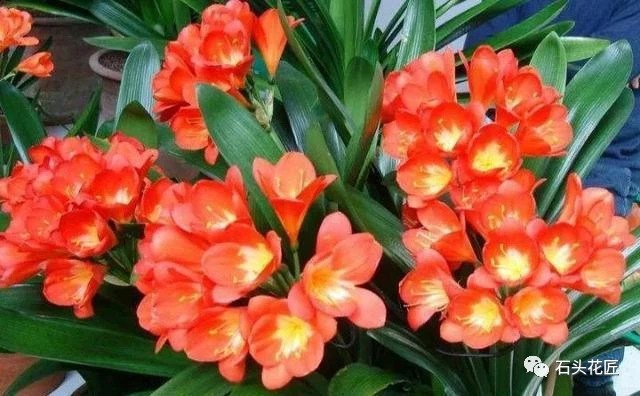
1. Clivia (Clivia miniata)
Anyone who has grown Clivia knows that its fleshy roots are very sturdy. Generally it needs repotting and a soil change once a year, and when repotting and changing the soil you also need to prune its roots, otherwise the plant's entire root system will fill up and there will be no nutrients left in the pot, which naturally leads to Clivia stopping growth and not blooming in winter.
So when autumn comes and the weather cools down, it is time to change the soil for Clivia. Generally, after taking Clivia out of the pot, loosen the root ball, directly prune away some old roots and dead roots, leaving only the shorter new roots, then prepare a loose, breathable mixed soil. You can use a mixed soil fermented from peanut shells, pine needles and leaf mold, plus one part garden soil, to plant the Clivia.
2. Orchid
Many people love orchids very much, because a potted orchid gives a serene and elegant feeling. In fact, the orchid is also a plant with fleshy roots; its root system is very well developed, and it is a flowering plant that loves fertilizer.
So in autumn, it is suitable to repot and change the soil for orchids. Orchids like loose, breathable soil, so the most suitable growing medium is a fully fermented soil made from leaf mold, peanut shells, pine bark and other materials. After taking the orchid clump out of the pot, loosen the root ball. Directly prune away the longer old roots and dead roots, then soak the trimmed orchid roots in a 0.2% potassium permanganate aqueous solution for five minutes for sterilization and disinfection. After drying, pot them up and add soil directly. This ensures the orchid has sufficient nutrients during later growth, so it can grow more side shoots and produce beautiful flowers.
3. Amaryllis (Hippeastrum)
Amaryllis is a bulbous flower that likes to grow in fertile soil. It has very abundant fleshy roots. Generally, growing amaryllis requires repotting once a year, otherwise the plant's roots will fill the pot, there will be no nutrients in the pot, and the amaryllis will develop yellow leaves and its bulbs will shrink.
Autumn happens to be when amaryllis wakes up from its summer dormancy and needs nutrients, so in autumn, repot and change the soil for amaryllis. After taking the amaryllis out of the pot, you can directly prune off the roots, leaving only the bulb. Then prepare a breathable, water-permeable soil and plant the amaryllis. Generally, autumn and winter are the periods of rapid growth for amaryllis. Only if it absorbs sufficient nutrients during this period can it produce beautiful flowers in spring.
4. Pothos
Pothos is a very popular houseplant. Grown at home, it is not only easy to care for but also grows vigorously, and it can decorate a room and purify the air. However, pothos has a very strong ability to absorb soil, and generally needs repotting and a soil change once a year, otherwise its entire root system will fill the pot.
So in autumn, you can repot and change the soil for pothos. After taking the pothos out of the pot, loosen the root ball and directly prune off the long roots, leaving only the shorter roots. Use a mixed soil made from 1 part garden soil, 1 part sand and 2 parts leaf mold to plant it. With rich nutrients, the pothos can grow new leaves and send out new shoots.
5. Spider plant
Anyone who has grown spider plants knows that it is a plant that is very good at eating soil. Generally, within half a year it will absorb all the soil in the pot, leaving only thick white roots. Especially before winter sets in, you should repot and change the soil for the spider plant so it can grow healthily in winter and get through the winter smoothly.
After taking the spider plant out of the pot, you can directly use a kitchen knife to cut off the roots at the bottom, leaving only a few fine roots near the base, and then choose a mixed soil to plant it.
6. Jade plant
The jade plant is a very common houseplant. Many friends keep a jade plant at home, because it is not only easy to care for but also has fleshy leaves and a strong ability to purify the air. The jade plant is also a plant that loves fertilizer. Generally, it needs repotting and a soil change once a year, otherwise its roots will fill the entire pot.
When autumn arrives and the weather cools down, when repotting the jade plant, first take the plant out of the pot, loosen the root ball, directly prune off the fibrous roots and old roots, then prepare a breathable, water-permeable mixed soil to plant the jade plant. With rich nutrients, the jade plant will grow quickly, its branches will lignify faster, and it will become an old stump.
The above are 6 common houseplants. Their roots eat soil very quickly, and under normal care they need repotting and a soil change once a year to ensure the plant's normal nutritional needs.
Warm tips
When repotting and changing the soil for plants, you need to prune the roots, because this removes some old roots and rotten roots and prevents rotting later on. Put the trimmed plant in a cool place to dry for a day, letting the roots dehydrate slightly, so that after potting up later they can quickly take root.
If you find these tips on repotting and changing the soil for flowers in autumn useful, please like, follow and forward below to more friends!
I am [Stone Gardener], sharing little flower-growing tips every day. Remember to follow me.