Prevent root rot, pests and yellow leaves when growing flowers: add this to the pot and yellow leaves turn green in 3 days
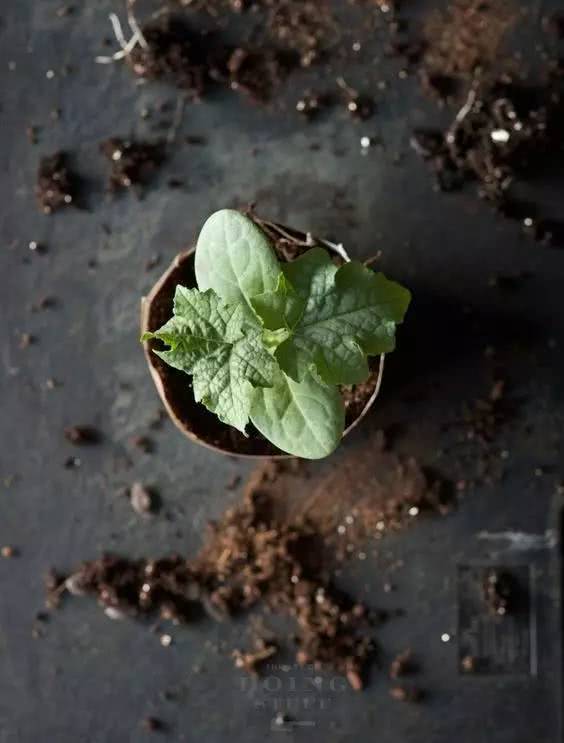
Plants never survive more than 3 months, either from root rot or yellow leaves, but even beginners can grow lush green potted plants.
Preventing root rot
+Broken tile pieces
The soil in the flower pot lacks nutrients, becomes dry, hard and clumped, and easily blocks the drainage holes at the bottom of the pot. Therefore, potted plants need timely soil loosening to increase the soil's air permeability.
Go to a nearby wasteland or construction site and casually pick up some thin old bricks and tiles, crush them into small pieces, and spread them at the bottom of the flower pot. This can provide ventilation and air permeability, and even without loosening the soil, it can smoothly drain and dehumidify, so you no longer have to worry about water accumulation and root rot. Even delicate orchids will have fresh and translucent leaves.
+Loofah sponge
When the loofah sponge used for washing dishes is worn out, do not throw it away in a hurry. Cut it into small pieces, put them in the flower pot, and fill it with soil to grow flowers.
Nothing absorbs water and allows air through better than a loofah sponge. Used for growing flowers and green plants, it keeps the soil from drying out, clumping and deteriorating. After the loofah sponge decomposes, it can also become natural nitrogen fertilizer, making plants grow stronger and stronger, and they will quickly fill the pot.
+Quail eggs
In the hot summer, if you want to fertilize plants but are afraid of poor dosage control leading to compost burning and root rot, it is better to bury a few quail eggs in the flower pot, and the leaves will immediately grow vigorously with a glossy shine.
Use a toothpick to poke a small hole in the top of a fresh quail egg. For a small to medium-sized flower pot, place 2-3 quail eggs, and for a large flower pot, increase the number of quail eggs as appropriate.
First spread a 2-3cm thick layer of soil at the bottom of the flower pot, then fix the poked quail eggs in the soil with the tops facing up, and then cover the surface with soft sandy soil. In this way, the egg liquid can naturally ferment in the soil, and after the eggshells decompose, they can also serve as potassium fertilizer to nourish flowers and plants, so the plants can continuously absorb nutrients from them.
Preventing pests
+Sesame oil
Summer is a time when pests occur frequently. Household flowers and plants sometimes inevitably suffer from ants, aphids and other pests, which not only harm the flowers and plants but also easily invade the human body and are bad for health. To prevent ants, spiders and other insects, simply smear some sesame oil on the edge of the flower pot. This can drive away small bugs and keep them away from the plants.
+Garlic
Everyone knows that garlic can fight bacteria and reduce inflammation. It can not only enhance the human body's resistance but also strengthen the pest resistance of flowers and plants. Peel the garlic and mash it, crush it into minced garlic, then dig a small hole in the flower pot and bury it in the soil to prevent ants and snails.
+ Florida water
In summer, no household is without Florida water. Florida water can remove prickly heat, relieve itching and prevent mosquitoes, and it can naturally also protect plant leaves from aphid damage and make the leaves green and glossy.
Pour Florida water into clean water, at a ratio of 1:50
After diluting it, put it into a spray bottle and spray the plant leaves once every 4-5 days. This can effectively prevent aphid disease, and there will no longer be insect holes on the leaves. Florida water has a relatively high alcohol content, so it must be used after dilution, otherwise it will burn the plants.
Preventing yellow leaves
+ Expired milk and yogurt
Yellowing plant leaves are very likely caused by a lack of nutrients. Do not throw away expired milk. Put it in a plastic bottle, place it in a lighted area to ferment for about a week, and it becomes excellent nitrogen fertilizer. Dilute it with water and use it to water flowers, so the flowers and plants can also "drink" enough nutrients.
Yogurt itself is a fermented product, rich in probiotics and nutrients. Dilute unfinished yogurt directly with water and it can be used as fertilizer. Watering flowers with yogurt keeps the leaves from turning yellow and makes the flowers bloom vigorously.
+ Rice vinegar
What should you do when the leaves of water-grown pothos and money tree turn yellow? Use this seasoning from the kitchen, and the leaves will quickly turn green. It is rice vinegar, which is rich in amino acids and also contains various vitamins.
Dilute rice vinegar at 1:1000, wipe both sides of the leaves, then rinse once more with clean water. This allows the leaves to absorb the nutrients in it and become translucent and glossy.
Before flowering plants bloom, spray a little rice vinegar on the flower buds, and it can also make the flowers bloom more vigorously.
+ Banana peel
After eating a banana, casually use the banana peel to wipe the leaves of the clivia at home. The orchid will not have yellow leaves or wither, and will become more and more full of vitality. It can not only nourish the leaves but also remove dust from the leaves, and the leaves will become extremely glossy.
One thing to remind everyone: banana peels have a sticky substance that can easily clog leaf stomata, so after wiping with them, it is best to rinse with clean water once. In addition, used banana peels can also be made into fertilizer together with eggshells and leftovers. Cut them up and bury them in the flower pot, and they become free potassium fertilizer.
+ Beer
Beer is rich in amino acids, and also contains phosphate components and potassium elements needed for plant growth. Wiping leaves with beer is also a good way to prevent yellow leaves and nourish plants.
Beer contains a large amount of maltose, and directly wiping leaves with it will pick up more dust, so beer can be diluted and sprayed on the leaves. Whether wiping or spraying with beer, after about 3 hours, it still needs to be rinsed once with clean water to prevent sugary substances from clogging the stomata.
Once you have learned these methods, household plants will not have yellow leaves or root rot. Come and try them!
Reply "e-book" to get a professional flower-growing e-book!
Reply: plant name (such asmoney tree): view the cultivation method