How to care for orchids in autumn? Proper repotting determines next year's blooming
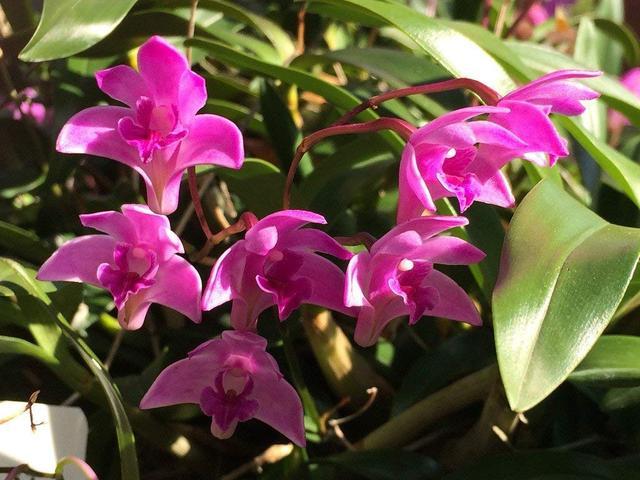
Autumn has arrived, and in this season, this again affects next year's blooming of the plants, so proper repotting is definitely necessary. But many flower growers say that repotting orchids is just too difficult.
But in fact, repotting is not that difficult. Repotting is done to give the orchid more room to grow, and changing the potting medium also lets the orchid get better nutrients. Trimming the roots of the orchid you take out is also meant to remove the aged parts of the roots, doing a round of "metabolism" to prevent problems with the orchid's roots. So as long as you follow the correct steps, repotting an orchid is actually quite easy. Today I will introduce the step-by-step techniques for repotting orchids in autumn.
First, remove from the pot
Removing an orchid from its pot really requires technique. If done well, the roots will not be damaged; if done poorly, never mind repotting, you will not even have time to save the orchid. Many flower growers lack experience and just go at it directly, either digging with a small shovel or prying with a wooden stick, which is simply torturing the orchid, so never do it this way. Generally, orchid potting medium is fairly light, and with the roots tangled together, sometimes it forms one solid mass, so when repotting, you can first pat the side of the pot with your hand to separate the inner wall of the pot from the potting medium. Once they have completely loosened, take a small wooden stick, just big enough to poke into the drainage hole at the bottom of the pot, and use the stick to push the potting medium and roots up.
Pruning
For the orchid you have taken out, first wash it clean, but at this point you should not trim the roots directly. You can first remove some broken roots, rotten roots, or rotten leaves to make the orchid look tidier. Then soak the roots in some disinfectant solution for half an hour, take it out and put it in a ventilated, shady place to dry first. Wait until the roots are slightly soft, then trim off some weak roots or excess roots. For orchids with many growths, you can also divide them at this time. When dividing, be very careful, because with multiple growths the roots are complex and it is easy to cut in the wrong place, causing root problems. Finally, whether you have finished trimming the roots or dividing the plants, disinfect the wounds and then drip on sealing wax.
Potting up
Orchid potting medium is very important in the process of growing orchids and is a matter of the orchid's life and safety, so the medium you choose must first of all be clean, which means it needs to be disinfected beforehand. It should also have good drainage and air permeability, and sufficient fertility. This kind of medium can prevent root rot and also give the orchid enough nutrients. So when repotting, you can first lay a layer of charcoal or tiles and the like at the bottom of the pot, then slowly place the orchid in the pot, then slowly put the prepared loose, airy potting medium into the pot, filling the whole pot. When filling, remember to pat the side of the pot lightly with your hand to make sure the medium and roots fit together relatively closely, so as to avoid hollow roots. The filling height should be 2 cm above the junction of roots and leaves, then water thoroughly once to settle the roots.
Care
Once the orchid has adjusted to the pot, you can slowly begin fertilizing it, so it can quickly replenish nutrients and root faster. It is recommended to apply rotted fertilizer, or you can use a special organic liquid fertilizer for orchids fermented from sugarcane, diluted 1000 times with water, then put it in a spray bottle and spray-irrigate. The fertilizer effect is the same, but it is more easily absorbed and can promote rooting. Once every half a month is enough. When the orchid is disease-free and has already grown relatively well, that means the repotting was successful.
Repotting orchids in autumn is a matter that affects how the orchids will grow next year. Fellow flower growers, you must not be careless about this! Be sure to pay attention to the steps described by the editor!