Plant ornamental onions all over the yard, and they look even better than tulips and hyacinths
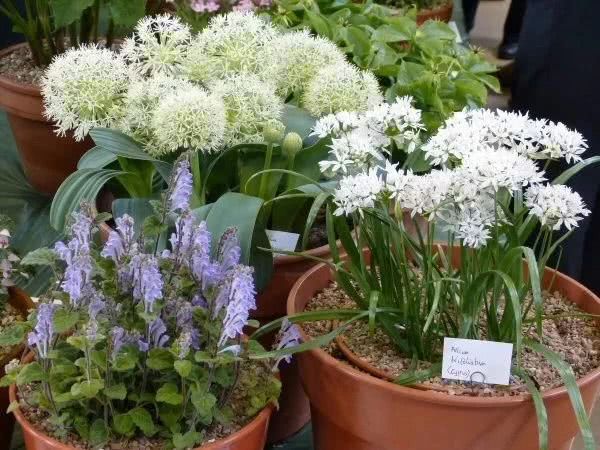
You may not believe it, but there are many ornamental varieties of onion too, and planting them in the yard is a great choice. Ornamental onions are bulbous flowers in the genus Allium of the lily family. The flowers are very small, but they bloom in huge numbers, gathering into a sphere, with a great many flower colors, including the common white, pink, purple, yellow, and more.
Ornamental onions are very easy to care for. They like a cool, slightly dry environment and do not need excessive blazing sun or long periods of direct sunlight. They are afraid of high temperatures or scorching climates, and they can bloom with brilliant, charming flowers in spring, summer, and autumn, with a fairly long flowering period.
To grow ornamental onions well, you first need to prepare loose, fertile, well-drained sandy soil. Make sure the soil has good drainage and avoid waterlogging, otherwise the stems easily rot.
There are as many as 700 different varieties of ornamental onion, and a great many enthusiasts love them. Ornamental onions are perennial flowering plants, very suitable for growing in the yard, and growing them in partial shade is a great choice.
Ornamental onions have strong cold tolerance and are easy to manage. You do not have to worry about them being eaten by small animals. They have relatively low environmental requirements and do not need much light, and they can grow well in partial shade.
Growing ornamental onions does not require frequent watering. They have strong drought tolerance and like a cool, dry environment year-round. Too much watering instead easily causes root and stem rot.
Another advantage of growing ornamental onions is that they rarely suffer pest infestations, making them fairly low-maintenance. They are suitable for planting in autumn. You can wait until the weather cools a little before planting. Growing them in the yard not only lets you smell a fresh, light fragrance, but also attracts bees.
Below are some common ornamental onion varieties. See which one you like?
1. Giant Onion (Allium giganteum)
It usually blooms in early June, with a very large flower head. The flower color is purple and looks very romantic, and the flower stalks are relatively tall, making it look very charming.
2. Allium schubertii
This ornamental onion variety is a very short plant, but its flowers are very unique, shaped like fireworks after exploding, and they look very brilliant. It is suitable for planting in flower pots.
3. Round-headed garlic (Allium sphaerocephalon)
Round-headed garlic usually blooms in early July, and its flowering period is fairly long. It has delicate, charming small flowers and is suitable for pairing with some ornamental grasses or globe amaranth.
4. Yellow onion (Allium flavum)
Yellow onion usually blooms brilliantly in July and August and is very suitable for planting in a dry, partially shaded spot. It has good drought and cold tolerance, is a relatively short plant, and can produce clusters of yellow-green flowers, while some are pink or white.
Will you like these ornamental onions of all shapes and forms? Compared with the common hyacinth, tulip, and daffodil, I actually find ornamental onions more charming.