An avocado pit can sprout roots just by soaking it in water, making it easy to grow into a potted fruit tree.
Among the delicious fruits of summer, many people would never think of the avocado. A lot of people don't like it, but if you dip it in a little soy sauce or salad dressing, it tastes much better. It is very nutritious. Many people throw away the pits left over after eating an avocado, but these pits can all be grown into wonderful potted plants, and can even flower and bear fruit.
Step 1: Clean and remove the outer skin
When eating an avocado, be careful not to cut through the pit inside. Once the pit has been removed intact, give it a proper rinse. You can soak it in clean water for a few minutes, then remove the flesh. The brown outer membrane on the pit can be left on to prevent the pit from rotting.
Step 2: Determine the top and bottom of the pit
The pit is oval in shape, though some pits are very round. As long as you look carefully, you can see the top and bottom of the avocado. Its roots will grow from the bottom (the tail end), and the young shoot will grow from the top end. The slightly pointed end is the top, while the tail end is flat. To encourage the pit to root and sprout faster, we need to soak it in water.
We need to prepare three or four toothpicks and insert them into the sides of the pit. The toothpicks hold the pit in place, suspending it above the container for water culture.
Step 3: Secure the avocado pit
As shown in the picture below, 3 toothpicks are used here, inserted directly around the sides of the avocado. Then prepare a container and fill it with some clean water; don't fill it too full. Rest the pit, held by the toothpicks, directly on the water surface. About 1/3 of the pit should be above the water to avoid soaking it completely.
Step 4: Care notes
After that, you can place the water-cultured avocado pit in a bright, well-ventilated spot, avoiding direct sunlight. Be sure to maintain some air humidity, and a temperature of around 20°C is best.
At the beginning, before the avocado pit has rooted, you need to change the water once every 3 to 5 days. This helps encourage better rooting and prevents the growth of mold and fungi.
Step 5: Rooting and sprouting
The time it takes for an avocado pit to sprout varies depending on the growing environment and how fresh the pit is. Based on my own growing experience, it generally takes about 8 weeks to root and sprout. You must be very patient during the process, and as long as the pit hasn't rotted, don't give up on growing it.
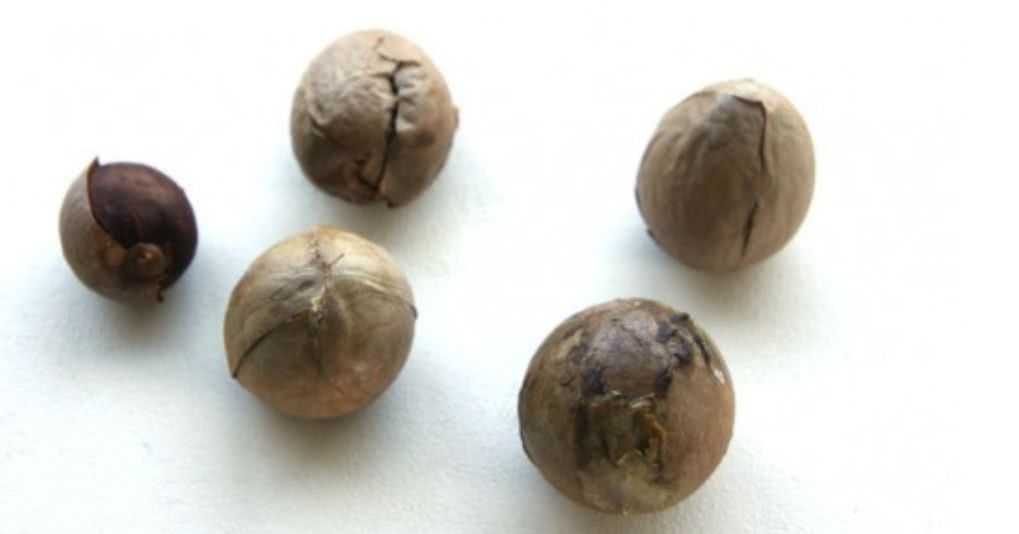
While the avocado pit is rooting and sprouting, the top and the bottom of the pit will slowly crack open, and the brown outer skin will gradually peel off. The more the cracks widen, the faster it will root and sprout.
The avocado pit's roots will grow longer and longer. Once it has rooted, you no longer need to change the water frequently; just change it once the clean water becomes cloudy.
The root system will become more and more vigorous, producing lots of fine little roots, and the top end will also grow a young shoot. Next, you can prepare to transplant it into soil.
Step 6: Potted care notes
Once the avocado pit's root system is growing very vigorously, or the roots have grown to more than 5 cm, you can transplant it into soil. Prepare some loose, breathable soil with good drainage. You can use a terracotta pot directly. After planting, water it thoroughly and place it in a bright spot for about 1 week, keeping the soil moist, then gradually expose it to light.
Step 7: Watering and light
For a soil-grown avocado plant, you can keep it in a spot with plenty of light, avoiding a spot that is too shady. In spring and summer, it needs about 6 hours of light a day. If the leaves turn yellow, that means you are overwatering.
Once the avocado plant has grown to about 15 to 19 cm, you can pinch off its top, that is, cut off the tender shoot at the top. This encourages branching and controls the plant's shape.
Step 8: Remove pests and diseases
When caring for a potted avocado, also pay attention to removing pests and diseases in good time. If cared for improperly, it is prone to aphid infestations. You can simply rinse them off with plenty of clean water, or rinse with some dish soap diluted in water, then water thoroughly with plenty of clean water to avoid the soil becoming alkaline.
As the potted avocado plant keeps growing taller, it needs to be repotted regularly, usually once every two or three years. This helps it grow more robustly. In spring and summer, you can give a slow-release organic liquid fertilizer about once every 3 weeks, which helps it grow more healthily.
If you graft using branches from an avocado that has already fruited, the avocado tree can flower and bear fruit in 3 to 5 years of care. If you grow it from seed the whole time without using grafting techniques to encourage fruiting, it may take about 15 years to flower and bear fruit, and it is best to grow several plants so they can cross-pollinate.