Grow this in a pot on your balcony, harvest 200 fruits at a time, they won't even fit in a bowl, a real money saver
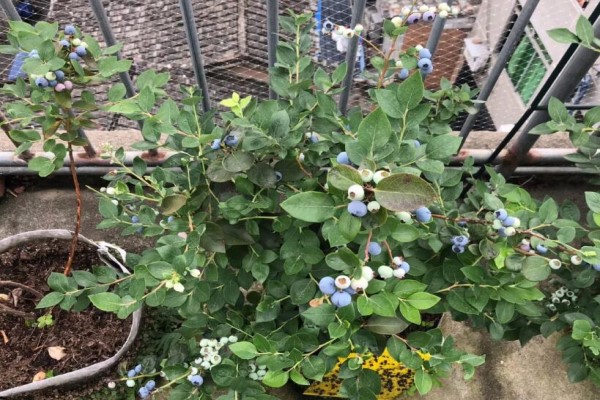
Grow blueberries on your balcony, harvest 100 berries at a time!
Every time I go to the supermarket to buy blueberries, a small box costs more than 10 yuan, and Huahua's heart really aches! Since that's the case, you might as well grow a pot at home, eat as many as you want, and you won't even be able to finish all the berries it produces!
Care tips:
1. Variety selection
Depending on the region, the blueberry varieties you grow will differ. The south is mainly suited to rabbiteye blueberries and southern highbush varieties, which can tolerate lows of -15°C; the north is mainly suited to lowbush blueberries, half-high blueberries and northern highbush blueberries, which can tolerate lows of -30°C.
2. Acidic soil
To grow blueberries, you generally buy small blueberry seedlings from the market to plant, usually 2-3 year old seedlings. Blueberries like acidic soil, especially for gardeners in the north: if the soil is on the alkaline side, blueberries simply won't fruit, so you can mix some sulfur powder into the soil, or water with a little vinegar.
3. Chilling requirement at 7°C
For blueberries to flower and fruit, you must make sure they get chilled at around 7°C. Gardeners in the south can basically keep blueberries on the balcony over winter, while gardeners in the north need to move them indoors. Gardeners in Guangdong and Hainan often get no fruit when growing blueberries, precisely because there's no low temperature.
4. Don't apply calcium fertilizer
Blueberries don't like fertilizer. When you first bring them home and pot them up, just adding some decomposed chicken manure to the soil is enough. After that, fertilize as little as possible, and especially never use calcium fertilizers like eggshells or bone meal!
5. Lots of fruit
Blueberries produce a huge amount of fruit, and every time you scoop them into a bowl, it almost won't fit!
Grow goji berries on your balcony, healthy and nourishing!
More and more of Huahua's friends have started drinking goji berries for their health, since the goji berries available now are really hit-or-miss and you can't be sure of the quality. What to do? You might as well grow a pot at home!
Care tips:
1. Soak to get seeds
If most gardeners already have goji berries at home, then you might as well just grow them directly from goji berry seeds! Soak the goji berries in warm water for 8 hours, and once the flesh has softened, rub out the seeds and let them dry.
2. Sowing
Prepare loose, breathable potting soil, use a chopstick to draw a few small furrows on the surface, sow the goji berry seeds into them, cover with a thin layer of fine sand, then spray with water. They'll sprout in about 10 days.
3. Keep pinching the tops
If you want goji berries to grow fast, always keep them in a well-ventilated spot with plenty of sun. No need to fertilize, and don't water too much. If you want to keep the goji plant compact, you can also keep pinching off the growing tips.
4. Steep in water and drink
After the goji plant at home flowers and fruits, you can pick the berries and steep them directly in water to drink, or add a few when cooking porridge. Either way, they taste great!
Grow strawberries on your balcony, never spend money again!
Every time strawberry season comes around, Huahua feels they're priced so high, so why not take advantage of the crisp autumn weather and grow a pot at home right away!
Care tips:
1. Germinate on paper towels
When growing strawberries at home, you generally sow them from seed. Dampen a paper towel, then scatter the strawberry seeds on the wet paper towel to germinate. They'll basically sprout in 4-5 days.
2. Prepare the soil
Prepare a disposable paper cup, and remember to poke a few holes in the bottom. Fill the cup with potting soil, water it thoroughly once, and set it aside.
3. Sowing
Using tweezers or a toothpick, carefully place the germinated seeds onto the soil, then pinch a little soil over them to cover. Make sure the sprout points downward.
4. Seedlings grow
Keep the soil moist. Basically it only takes about 20 days before you can see the strawberry seedlings growing!
5. Repot and fertilize
Once the strawberry seedlings have grown, it's best to transplant them into a larger pot. When changing the soil, remember to add some base fertilizer to the potting soil; for regular top-dressing, you can apply rice-washing water or cake fertilizer water once every 2-3 weeks.
6. Flowering and fruiting
Make sure strawberries get plenty of light, and be careful not to let water accumulate in the pot. The strawberries will soon produce small white flowers, and after the flowers fade, green strawberries will pop out! Once the strawberries turn red, you can eat them straight away!