Growing orchids in sphagnum moss without root rot: more flowers, more shoots, vigorous growth
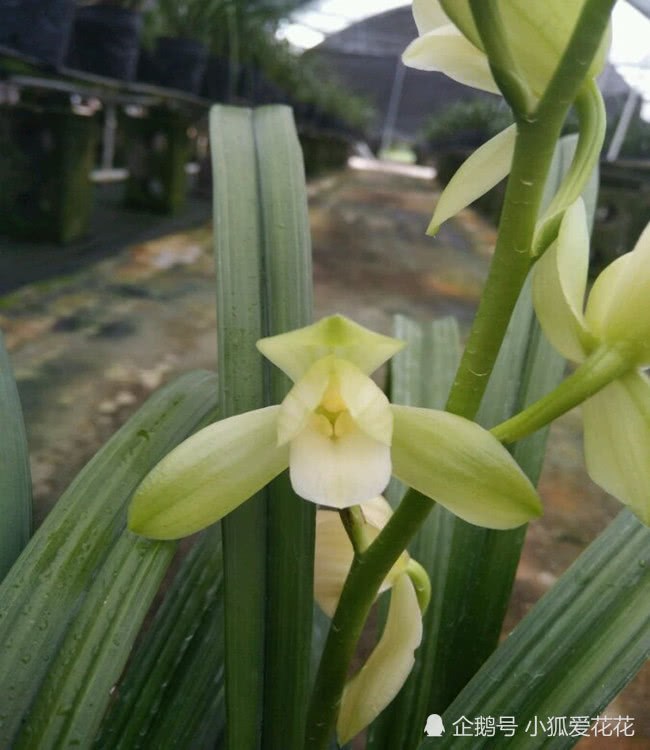
For many beginners who have just gotten into the hobby, choosing which potting medium to use for growing orchids so they don't get root rot is a difficult problem. Today, the editor will share one thing with everyone that can be used to grow orchids and won't cause root rot.
Actually, this thing is the "sphagnum moss" you can find everywhere. It has excellent water retention and is also extremely breathable, making it absolutely perfect for growing orchids. One thing to note: sphagnum moss has good water retention, so on cloudy days it doesn't dry out easily, and a moment of carelessness can lead to orchid root rot.
But there is still a way to solve this. Below, let's first talk about the method for growing orchids with sphagnum moss, and the points to pay attention to.
1. Only with healthy potting medium can orchids be grown well
When choosing sphagnum moss, if you see any that has turned yellow or is rotting, don't choose it. Generally, choose moss that is glossy green; if there is no yellowing or rot at all, you can gently cut it off from the base with a small knife. This is because sphagnum moss with those problems has already been infected with viruses, and if used to grow orchids, it will very likely cause the orchids to develop bacteria as well.
2. Disinfect before use, and only then can orchids be healthy
Before using anything, it must be disinfected; this is a habit in daily life, and sphagnum moss is the same, so it should be disinfected with a fungicide. Spray it all thoroughly wet, then put the sphagnum moss in a ventilated spot or somewhere exposed to sunlight to dry.
After the sphagnum moss has dried, spread it on top of the potting soil. Doing this can maintain the moisture of the orchid's root system, so that after watering, it won't dry out too quickly.
3. Pay attention to care, and only then will the orchid not get root rot
Normally, don't water too much, because if you water too much, the orchid will get root rot due to the sphagnum moss's water retention. So when we touch the sphagnum moss with our hands, only if it is dry can we water. If you can't gauge the amount of water, you can make a few small holes in the bottom of the pot; when watering, if water overflows from the holes, that means it has been watered thoroughly.
After growing orchids in sphagnum moss for a period of time, the nutrients will gradually be lost, and at this point we can replace it with new sphagnum moss.
This is because sphagnum moss also grows, and it reproduces very quickly. Especially when the air is relatively humid, it will grow more and more, and it also easily attracts some pests. So when the sphagnum moss is almost overflowing the pot, it needs to be replaced with new moss.
While growing orchids with sphagnum moss, you need to supplement the orchids with some nutrients. With enough nutrients, the orchids can grow better. We can chop up a banana peel, lift up the sphagnum moss, dig a small hole in the potting soil, and then bury the banana peel in it. If you find that troublesome, you can also use a nutrient solution specially made for orchid plants, diluting it with water 900 times each time and spraying, using it about once every 12 days.
The above are the tips for growing orchids with sphagnum moss. Have all you flower friends learned them?
Some images are from forum friend: Cannot Be Discounted