Timing, method and amount for the first watering after repotting a succulent
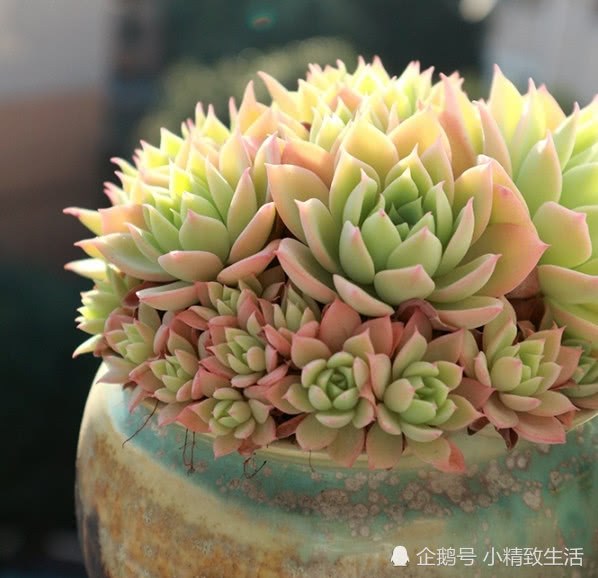
After repotting a succulent, should you water it immediately, or wait 24 hours, or some other time
that is best for watering? Many beginners have asked this question. Many friends have just gotten their succulent, or are repotting their plant because it is not doing well, so they expect obvious results from repotting. Worry makes you flustered, and paying close attention to the first watering is only natural. Actually, in Xiao Jingzhi's view, there is no special rule about this.
The first watering after repotting a succulent is like the first step of the Long March: essentially no different from every watering that follows, but it carries great symbolic meaning and expectation. As for when to do the first watering, how to do it, how much to give, whether to soak it through or not, there really is no fixed rule. If there is anything special, it is that during repotting the succulent's roots may be rubbed by the gritty soil and so on, which can create small wounds. When we water, we need to be careful to prevent the succulent from getting infected through these wounds and developing black rot.
So, the main significance of the first watering after repotting a succulent is not only to let the plant drink water, but also to prevent black rot in a plant whose roots may have wounds.
In discussions about repotting succulents, we often hear two concepts: "repotting in dry soil" and "repotting in moist soil." Both concepts are easy to understand. Repotting in dry soil means repotting with potting soil that is completely naturally dry, while repotting in moist soil means spraying the potting soil until it is slightly moist and then repotting the succulent. Whether repotting in dry soil or moist soil, the ultimate goal is the same as mentioned earlier: to let the plant drink water while preventing black rot.
The advantage of repotting in moist soil is that right after repotting, it can supply water to the roots and encourage new roots to sprout, while the air permeability of the potting soil can still be maintained. However, in a moist soil environment, the amount of fungi is far, far higher than in dry soil, so a succulent that has just had its roots trimmed is not suitable for repotting in moist soil. Repotting in moist soil is generally suitable for succulents that have no roots themselves or that are not easily wounded during repotting. For example, a bare-root old plant bought online may have only thick main roots left, with no root hairs on the main roots, and during shipping some wounds have already dried and shrunk, so new wounds are basically unlikely. In that case, repotting in moist soil is fine.
But when repotting a succulent, even if we are very careful, it is unavoidable that we will injure the roots. At this point we should consider repotting in dry soil. After repotting in dry soil, wait 24 hours before watering. This way, even if there are many fungal spores in the dry soil, they cannot reproduce when the humidity is insufficient, and by the time you water after 24 hours, the wounds on the roots have already healed.
So, if you know the sunlight intensity in your succulent's growing environment (do a good job of shading in summer) and your own soil mix like the back of your hand, then you can actually skip repotting in moist soil entirely and just repot directly in dry soil, then water thoroughly once after 24 hours. This is the most scientific first watering after repotting.
Compiled and published by Xiao Jingzhi Life, hoping it is helpful to you.