Overwatering a clivia causes root rot; here's a trick to quickly grow new roots, and it will bloom again by the end of the year
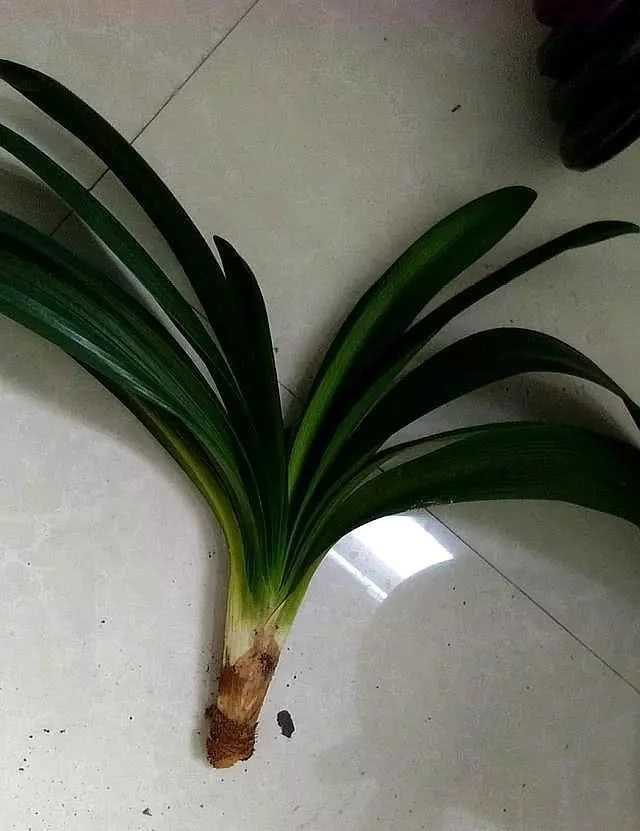
A clivia has lost its roots, can it survive? If a clivia has no roots and only a base plate left, it can survive. If even the root plate is gone, it will be very hard for it to survive. When a clivia develops root rot, or when we divide it and only the top part is left with no root system, it can still survive, but you must use the right method.
Please enter an image description
If the clivia we planted develops root rot, with not a single root left and only the root plate and leaves remaining, the first thing we need to do is thoroughly clean up the rotted areas of the wound. Do not keep even a bit of the rotted color. The principle is to expose fresh internal tissue. Apply carbendazim to the wound, then place it in a cool, ventilated spot to air-dry for a day or two, so the wound can dry out and show a little sign of healing. When you see the outer skin of the wound become dry, that proves it has dried properly. After that, we can plant it in river sand or wood shavings to regrow roots. In about a month it will grow roots, and then it can be transplanted into fresh potting soil. During this rooting period, keep the river sand or wood shavings moist, give it a little bright light, and rooting really is easy.
Please enter an image description
If it is a rootless offset cut off during division, the treatment method is the same as above. As long as you apply carbendazim to the wound and place it in a cool, ventilated spot to let the wound dry, that is enough. The rooting method is the same too. The river sand or wood shavings used for rooting must be sterilized well; the first time, you can mix carbendazim with water and water it thoroughly.
Please enter an image description
Please enter an image description
If you like growing flowers, please follow the official account: Balcony Garden Vegetable Plot, all about flower-growing knowledge and tips, welcome to exchange ideas