Wealth-bringing flowers are perfect for keeping at home, said to turn your luck around, keep you safe, and boost your fortune.
Anthurium: great prospects and a thriving career!
The bright red blooms of the anthurium bloom all year round and never fade for long. Placed in the home, they symbolize a thriving career and are especially good at attracting wealth!
How do you care for anthurium?
1. Anthurium leaves easily turn yellow if exposed to too much strong sunlight, so just keep it in a living room, study, kitchen, or other spot with indirect light.
2. Anthurium likes humidity, so mist around it often to keep it moist. When the potting soil dries out, water it thoroughly, once every 3-5 days, and never let it get waterlogged. If the roots occasionally show above the surface, don't bury them; leaving them exposed helps the roots breathe.
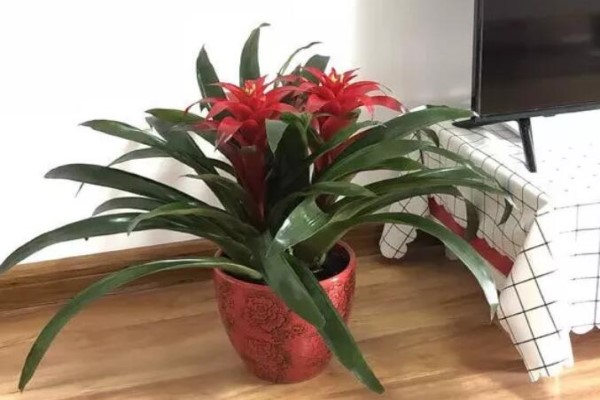
Guzmania: continuous good luck and wealth rolling in!
Guzmania is a type of ornamental bromeliad. Its red flower head paired with emerald-green leaves stays vibrant all year round. Placed in the living room, it instantly brings warmth and a festive, joyful feel to the home!
How do you care for guzmania?
1. Guzmania likes light, so you can place it in a living room, balcony, or similar spot to grow, making sure it gets plenty of indirect light and good ventilation. That way, the guzmania's flower will stay red the whole time.
2. Water the potting soil about once every 5-7 days. When watering, also pour some water into the leaf cups. Guzmania is not cold-tolerant, so be cautious about choosing it if your home temperature drops below 10°C in winter.
Elephant bush: noble, elegant, and good fortune at your door!
The elephant bush stays evergreen all year round, with elegant branches. Its thick, fleshy, emerald-green little round leaves, paired with its sturdy, forceful stems, give it a very classical beauty, especially the variegated varieties!
How do you care for an elephant bush?
1. The elephant bush is a succulent, drought-tolerant and afraid of waterlogging. Mix plenty of sand into the soil. Normally, wait until the soil turns pale before watering thoroughly. It can survive 1-2 months without water, but once it's overwatered, it dies quickly!
2. It likes a spot with plenty of light, and a south-facing balcony is the most suitable place to grow it. Also, the elephant bush is very easy to propagate from cuttings; just snap off a branch and bury it in soil and it will live.
Kalanchoe: long life and lasting good fortune, living to a hundred!
Kalanchoe is one of the popular flowers at flower markets in autumn and winter. It comes in many colors, and its blooming period lasts more than half a year, blooming into one big cluster, which makes it deeply loved by flower lovers.
How do you care for kalanchoe?
1. Right now is exactly when kalanchoe is forming flower buds, so don't prune it for the time being. Give it more sun and water it with a little monopotassium phosphate every week, and the kalanchoe will grow lots of buds.
2. Don't water too frequently; water about once every 7 days. After the flowers fade, cut off the spent blooms, pinch and top it often, and it will bloom again very soon!
Money plant: great fortune and wealth flowing in!
The money plant, also called jade necklace plant, is a succulent. Its leaves look like little tubes that can absorb wealth, so people also call it the money plant!
How do you care for a money plant?
1. The soil mix must be loose. You can mix it at a ratio of 6:4 peat to grit, as for a typical old succulent. Water sparingly; during its summer dormancy you can even stop watering altogether.
2. Give it plenty of sun, and the edges of the money plant's leaves will turn a beautiful red. But in summer, shade it appropriately to prevent black rot.
Christmas cactus: turning your luck around and good fortune arriving!
Although the Christmas cactus has spiky leaves like crab claws, it can produce delicate, gorgeous flowers. It is also fairly cold-tolerant and blooms in winter and spring!
How do you care for a Christmas cactus?
1. The Christmas cactus's root system isn't very developed, so the potting soil must be loose. You can grow it in pure pine needle soil, or mix leaf mold with coal cinders, and sprinkle a little chicken manure, compound fertilizer, or other base fertilizer at the bottom.
2. Try to place it in a living room, balcony, or other spot with good light. Mist the leaves often. Before it blooms, spray a little monopotassium phosphate. Once it has buds, don't move it around anymore, or the buds will easily drop!
Bleeding heart vine: lucky stars shining and smooth sailing!
The bleeding heart vine is a climbing flower that can climb walls. Its white petals reveal red stamens, like two dragons playing with a pearl, a sign of auspiciousness. It also has a particularly long blooming period; in the south it can bloom from June to December.
How do you care for a bleeding heart vine?
1. It likes a spot with plenty of light, and a south-facing balcony is the best place to grow it. Water thoroughly when you feel the surface potting soil has dried out. You can water it with fermented rice water diluted with clean water, and it will grow vigorously.
2. Before the bleeding heart vine blooms, top it often to encourage side shoots to grow. After it finishes blooming, promptly cut off the spent blooms. In early winter, prune weak, damaged, and crossing branches. When the temperature drops below 10°C, move it indoors.
Chrysanthemum: more blessings, more longevity, more good fortune!
The chrysanthemum is a traditional famous flower of China, symbolizing longevity and noble character. Now the market offers not only traditional Chinese chrysanthemums but also spray chrysanthemums, ping-pong chrysanthemums, and others, colorful and varied, a must-have for decorating the home.
How do you care for chrysanthemums?
1. Try to place them in a spot with plenty of light, such as a south-facing balcony or south-facing windowsill. They have no special requirements for soil, as long as it's loose and free of pathogens.
2. For single-stem large chrysanthemums, you need to cut off the extra buds and keep only one, while for multi-headed chrysanthemums like spray chrysanthemums and ping-pong chrysanthemums, you need to pinch them often to encourage side branches to sprout and grow more buds.
Osmanthus: good fortune and prosperity!
Osmanthus has golden-yellow flowers and a fragrance that carries for miles, dominating the three autumn months and outshining all other flowers. It is a traditional Chinese auspicious feng shui tree. Planting one on a balcony or in a yard is simply wonderful!
How do you care for osmanthus?
1. Osmanthus loves sun. If placed in a shady spot, it easily fails to bloom. It's best to grow it in a yard or on an open-air balcony, and it can even overwinter outdoors (except in cold regions like Northeast China and Inner Mongolia).
2. Osmanthus likes humidity. Water thoroughly when you feel the surface potting soil is a bit dry. It's best to add a little ferrous sulfate to the water, so the leaves don't easily turn yellow.
Clivia: family harmony and strong feng shui!
Clivia has upright, thick leaves and large, gorgeous flowers, with a refined and elegant beauty. People call it the flower of wealth and honor. Keeping one at home not only boosts your wealth luck but also benefits family harmony.
How do you care for clivia?
1. Clivia can only bloom after being grown for 4 years or having 14 or more leaves. If it meets these conditions and still hasn't bloomed, it may be because the winter temperature is too high and there's no temperature difference. As long as the temperature isn't below 5°C, you can let it experience some cold.
2. Clivia loves fertilizer, especially nut-type flower fertilizers such as melon seeds, castor beans, and peanuts. Every spring and autumn when you repot it, you can grab a handful of roasted melon seeds and put them at the bottom of the pot. For regular feeding, bury some crushed peanuts.