Add some dirty, smelly black stuff to the asparagus fern pot, and you won't need to fertilize for a year
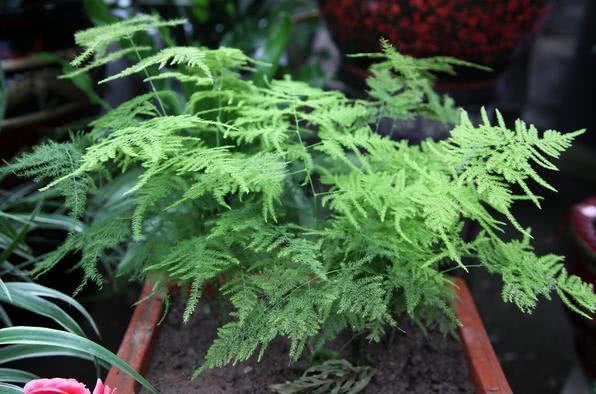
In modern daily life, everyone keeps some flowers and green plants at home. These flowers and green plants can decorate the balcony, and can also make the home look more alive. More importantly, they can purify indoor air. In leisure time, growing a pot of green plants is also a very mood-cultivating thing. Among these flowers and plants, the asparagus fern (Asparagus setaceus) is a particularly popular one. People like to place asparagus ferns in offices or study rooms, because the asparagus fern has an elegant quality and is a plant with a lot of style.
But when growing asparagus ferns, yellow leaves inevitably appear. When an asparagus fern has yellow leaves, its ornamental value becomes very low, its elegance is not as good as before, and from a distance it looks very lifeless. Many flower lovers will just throw it away and replace it with a new asparagus fern. In fact, the solution to yellow leaves on asparagus ferns is very simple. The dirty, smelly black stuff is actually the savior of the asparagus fern. Add a little of it to the pot, and you won't need to fertilize for a year.
This black stuff is sheep manure. Sheep manure is very common in the countryside, but it is relatively rare in the city. Everyone knows that animal manure is a very good fertilizer for growing plants, flowers, fruits and vegetables. Sheep manure looks rather black and is also fairly smelly, so people may dislike it. But using it to care for asparagus ferns is truly a treasure; it is a natural organic fertilizer that is very good for the growth of asparagus ferns.
Autumn is originally the peak growing season for asparagus ferns, but if the soil is too poor, yellow leaves will appear. So at this time, replenish nutrients for the asparagus fern in a timely manner. Sheep manure is a very good choice. There are two methods for using sheep manure to grow asparagus ferns. One, directly bury the sheep manure at the bottom of the flower pot. Sheep manure serves as a base fertilizer, but be careful to keep it away from the roots, and the amount should not be too much. Too much will be overly nutritious and may burn the roots. This method is suitable when repotting the asparagus fern. Burying sheep manure at the bottom of the flower pot will not produce any peculiar smell, and it can provide rich nutrients to the asparagus fern's root system, prompting the roots to grow more robustly and the branches and leaves to be more verdant. Once sheep manure is buried at the bottom of the pot, you won't need to fertilize for a year.
Two, when repotting is not needed, you can directly dig a few small holes at the edge of the asparagus fern's flower pot, and bury 3 to 5 pieces of sheep manure in each hole. When fertilizing the asparagus fern, be sure to remember to keep it away from the roots, and also do not use too much. If too much is used, it will cause the asparagus fern's root system to burn to death. When fertilizing plants, follow the principle of light fertilizer applied frequently.
Besides fertilizing, the daily care of asparagus ferns is also very important. When caring for asparagus ferns, be sure to pay attention to watering. Be sure to wait until the potting soil becomes dry before watering. Watering too frequently, or not watering thoroughly, will cause the asparagus fern's root system to rot, which will lead to the leaves turning yellow and dying. When growing asparagus ferns, you can keep them in a ventilated place and let them get some appropriate sunlight to promote photosynthesis. This will help them grow more new buds and new branches.
If you think it's good, you can like, save, share and follow. I am the Balcony Flower and Plant Craftsman, and I update tips on growing flowers and green plants every day. I hope it can help you.