What are primary branches, secondary branches, and tertiary branches? A foolproof tutorial anyone can understand at a glance
How to develop primary branches, secondary branches, and tertiary branches
Reposted from the Yangzhou Bonsai Tieba post by "Changdi Shuangkong"
The original author simply drew a few diagrams; let's take a look together.
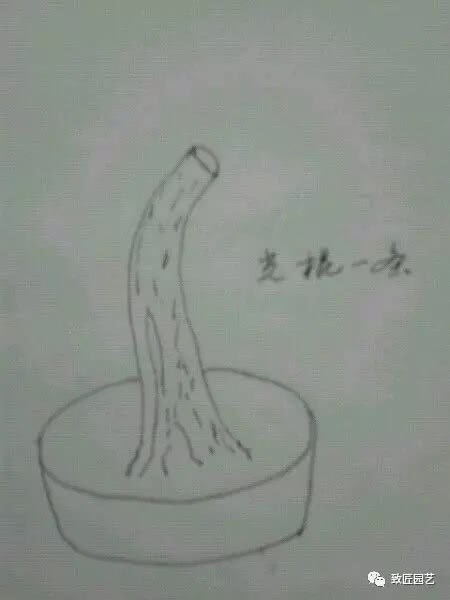
[Image 1] Sprouting and branch growth
[Image 2] Remove excess branches, keeping the branches that are favorable for styling
[Image 3] During the growing-out phase, press the lower branches down somewhat, so that the base of the branch does not turn upward and affect the shape of the primary branch
[Image 4] Wait until the branch has grown to a certain thickness, then leave 2 buds and cut it off. This is a primary branch.
[Image 5] The branch growing from the bud of the primary branch continues to grow; when it reaches a certain thickness, cut it again, and it becomes a secondary branch, and so on.
[Image 6] Usually, the lower the primary branch, the thicker and longer it should be than the primary branches above it; only then is the proportion harmonious, and only then can a triangular tree form be created. Primary branches should be thicker than secondary branches, secondary branches thicker than tertiary branches... only then is the transition natural. Usually, the primary and secondary branches of the first and second branch pads do not fork; forking begins only at the third level. The higher up the branch pads are, or branch pads that need to express "yielding," can fork at the primary or secondary branch. The larger the stump, the more likely it is that even tertiary branches will not necessarily fork; for very small and miniature stumps, primary and secondary branches may both begin to fork. So at which level forking occurs must be applied flexibly. Look at this diagram, drawn just now; look carefully section by section and you will understand.
[Image 7] Just imagine: what would it look like if the primary or secondary branches on branch pads 1 and 2 began to fork?
Wonderful content